
Reports and Findings
We report the impact on Strongyloides seroprevalence after two oral ivermectin mass drug administrations (MDAs) delivered 12 months apart in a remote Australian Aboriginal community.
Here, we confirm four intercontinental species of avian trypanosomes in native Australian birds, and identify a new avian Trypanosoma.
The Kids Research Institute Australia has been commissioned to investigate outcomes for children who have left out-of-home care and are currently 25 years of age.
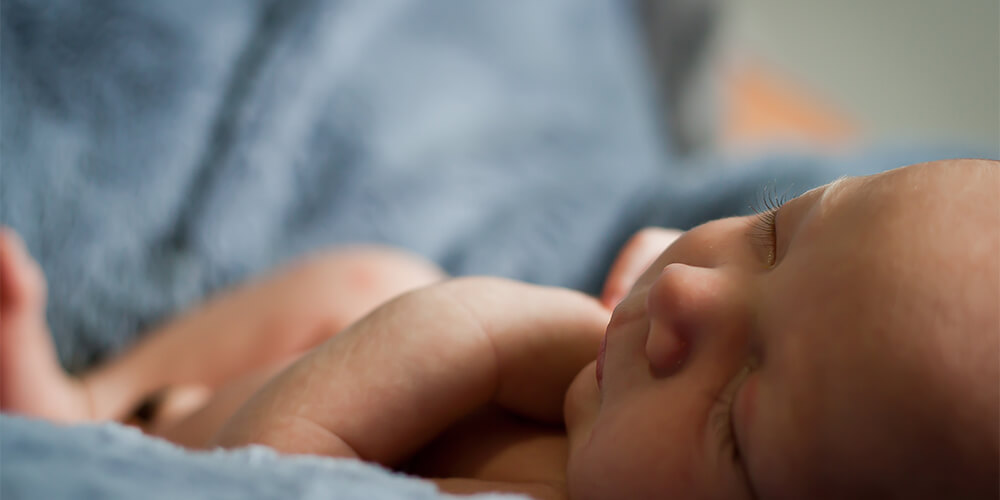
This study aims to increase knowledge about the nature, extent and impact of removals, repeat removals and entries of new babies into the care system.
The Kids Research Institute Australia was awarded funding to establish a whole-of-state Centre of Linked Data Analytics and Social Policy.
This study will identify how the immune system contributes to neurodevelopmental outcomes and will investigate the use of an agent from traditional medicines.
This study will investigate the why disease is worse in infants and how early life viral infection impacts the developing immune system.
This is a strategic “pilot” project in which we are seeking basic information on the immune cell content of gestational tissues.
This project investigates how different populations of cells within the respiratory tract immune system are altered during a viral infection.
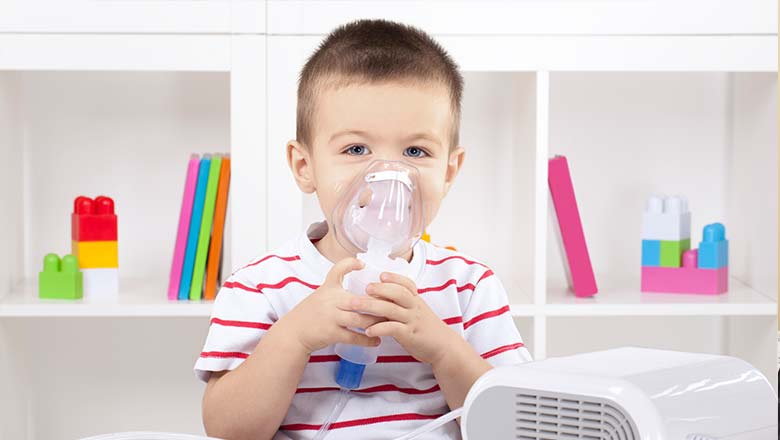
This study is designed to identify the specific unique immune cell response that occurs in these children with recurrent disease.