
Search
The pattern and quantity of insulin required for high-protein high-fat (HPHF) meals is not well understood. This study aimed to determine the amount and delivery pattern of insulin required to maintain euglycemia for 5 hours after consuming a HPHF meal compared with a low-protein low-fat (LPLF) meal.
Dietary fat and protein impact postprandial hyperglycaemia in people with type 1 diabetes, but the underlying mechanisms are poorly understood. Glucoregulatory hormones are also known to modulate gastric emptying and may contribute to this effect.
Type 1 diabetes presents significant challenges for optimal management. Despite intensive glycaemic control being the standard of care for several decades, glycaemic targets are infrequently achieved and the burden of complications remains high. Therefore, the advancement of diabetes management technologies has a major role in reducing the clinical and economic impact of the disease on people living with type 1 diabetes and on health care systems.
Serum 25 hydroxyvitamin D [25(OH)D] levels of pregnant women have been linked to various health outcomes in their offspring. Satellite-derived ultraviolet radiation (UVR) data have been used as a proxy for 25(OH)D levels, as individual-level cohort studies are time-consuming, costly and only feasible for common outcomes.
Besides the challenges associated with their teenage years, adolescents with Type 1 Diabetes (T1D) encounter additional challenges of having a chronic condition.
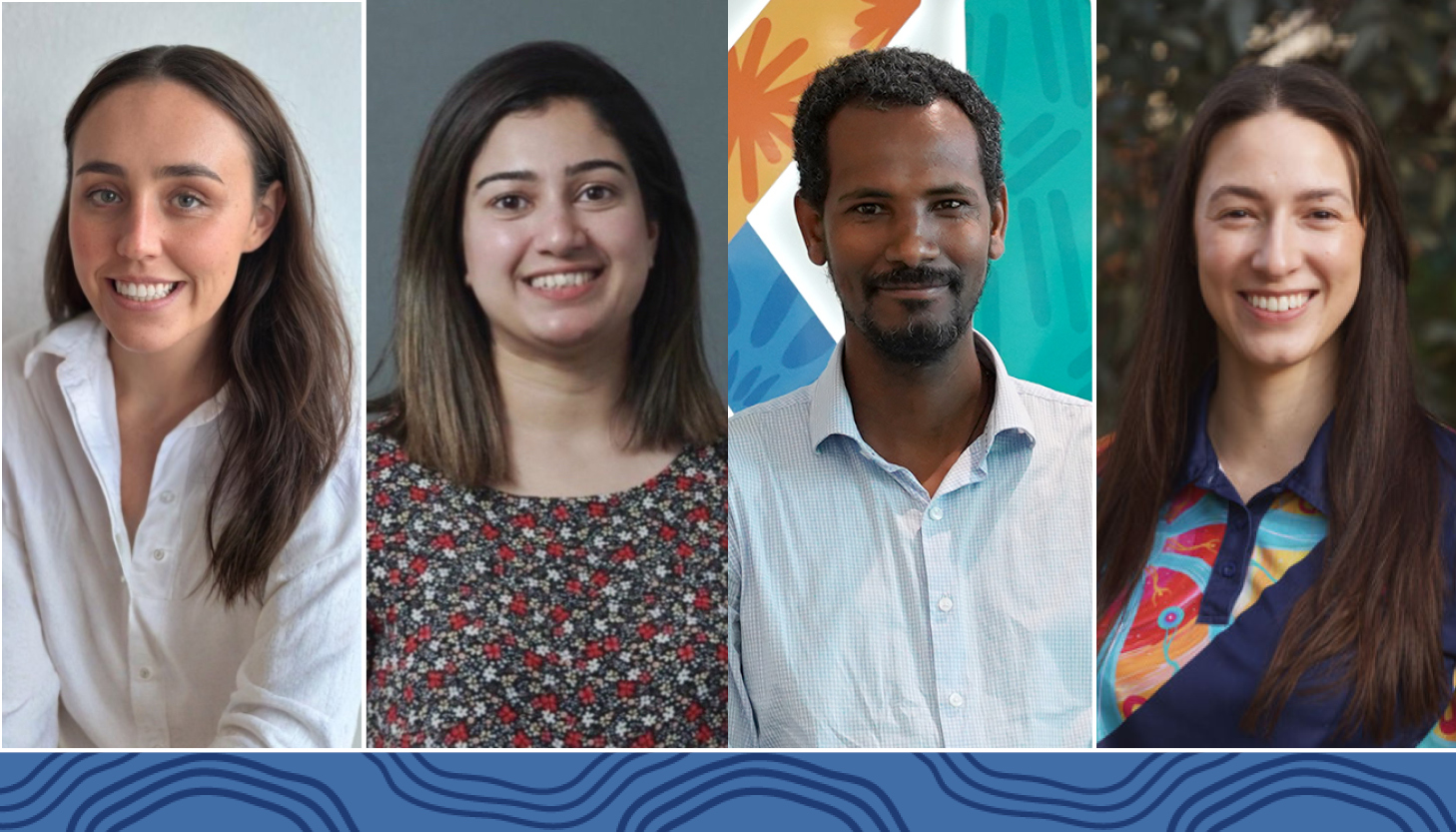
Congratulations to four outstanding early-career researchers from The Kids Research Institute Australia, who have been awarded BrightSpark Foundation fellowships and project funding for 2026.

The Centre is currently involved in an international effort to develop revolutionary closed- loop 'artificial pancreas' technology. It is also leading a multi-centre Australian trial of these portable devices at home in young people with diabetes.
The usual output following health consultations from paediatric services is a clinical letter to the referring professional or primary care provider, with a copy sent to the patient's caregiver. There is little research on how patients and caregivers perceive the letter content.
While advancements in the treatment of diabetes continue to rapidly evolve, many of the newer technologies have financial barriers to care, opposing the egalitarian ethos of Banting who sold his patent on insulin for a nominal cost to allow it to be made widely available. Inequity in access to new therapies drives disparity in diabetes burden with potential for these gaps to widen in the future.
One third of Australian children diagnosed with type 1 diabetes present with life-threatening diabetic ketoacidosis (DKA) at diagnosis. Screening for early-stage, presymptomatic type 1 diabetes, with ongoing follow-up, can substantially reduce this risk (<5% risk). Several screening models are being trialled internationally, without consensus on the optimal approach. This pilot study aims to assess three models for a routine, population-wide screening programme in Australia.