
Search
Cyclin-dependent kinase-like 5 (CDKL5) deficiency disorder (CDD) is an ultrarare genetic condition causing developmental epileptic encephalopathy characterized by seizures and motor and intellectual disabilities. No disease-modifying therapies are available, and treatments focus mainly on symptom management to improve quality of life.
Timo Lassmann BSc (Hons) MSc PhD Feilman Fellow; Head, Precision Health Research and Head, Translational Intelligence timo.lassmann@thekids.org.au
The aim of this study was to identify and prioritise the ten most important unanswered themes in rare disease research in Australia by integrating perspectives of key stakeholders, including people living with rare disease, parents/carers, health professionals, and rare disease community advocates.
Monkeypox virus (MPXV) has been linked to vertical transmission, but systematic data are scarce. We aimed to describe the sociodemographic, clinical, and virological characteristics and assess the frequency and determinants of adverse outcomes in pregnant women with MPXV clade I infection.
CDKL5 deficiency disorder (CDD) is a rare developmental and epileptic encephalopathy. Greater understanding of the smallest meaningful improvements for individuals with CDD in clinical trials and practice is needed for a person-centred approach to treatment efficacy. This study explored how parent/caregivers of people with CDD understood meaningful improvements and described change for priority functional domains including communication, gross motor, fine motor, feeding.
Whole genome sequencing offers significant potential to improve the diagnosis and treatment of rare diseases by enabling the identification of thousands of rare, potentially pathogenic variants. Existing variant prioritisation tools can be complemented by approaches that incorporate phenotype specificity and provide contextual biological information, such as tissue or cell-type specificity.
We present the case of a prepubescent man of African descent who developed a spitzoid melanocytic proliferation showing evidence of a novel promoter hijacking ALK-C2orf42 rearrangement, with atypical histology, clinically apparent metastatic disease, and abnormal cytogenetic findings, representing a rare genuine case of "Spitz melanoma of childhood."
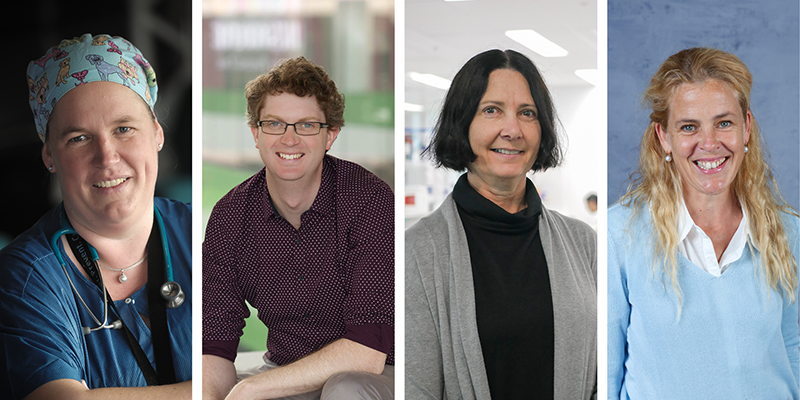
Research projects sharing in a $2.1 million funding boost will seek to translate research findings into changes that benefit patients and help the health system run more efficiently.
Sepsis, for children and their parents, is a life-altering illness with far-reaching psychosocial and physical impacts. We aimed to explore the needs of such patients and their parents after hospital admission for sepsis to inform the development of a Western Australian postsepsis care service.
Addressing the recognized challenges and inequalities in providing high quality healthcare for rare diseases such as children's interstitial lung disease (chILD) requires collaboration across institutional, geographical, discipline, and system boundaries. The Children's Interstitial Lung Disease Respiratory Network of Australia and New Zealand (chILDRANZ) is an example of a clinical network that brings together multidisciplinary health professionals for collaboration, peer learning, and advocacy with the goal of improving the diagnosis and management of this group of rare and ultra-rare conditions.