
Search
Alexander Larcombe BScEnv (Hons) PhD Honorary Research Fellow Honorary Research Fellow Associate Professor Alexander Larcombe began work at The Kids
This study aimed to provide a first-ever comprehensive epidemiology of vaping behaviours among Australian gender and sexuality diverse (LGBTQA+) youth.

The Kids Research Institute Australia welcomes the Federal Government's stringent vaping reforms that took effect on 1 July 2024.

The Kids Research Institute Australia researchers have been awarded more than $10 million in research funding from the National Health and Medical Research Council (NHMRC).
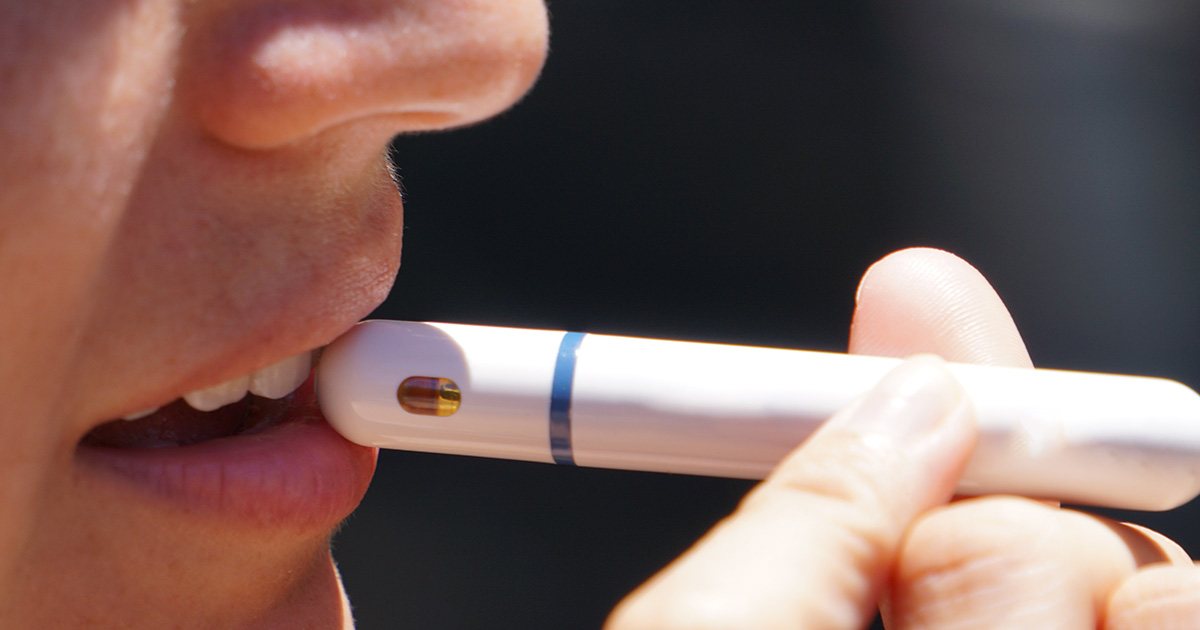
Researchers from The Kids Research Institute Australia and Cancer Council WA will team up on two projects aimed at identifying the most effective public health messaging for young people around SunSmart behaviours and how to stop vaping.

The Kids Research Institute Australia strongly supports the Federal Government’s announcement today to introduce a suite of reforms aimed at banning non-prescription vaping products in Australia.
Electronic cigarettes (e-cigarettes) are often perceived to be safer than smoking, which has led to some women switching to e-cigarettes during pregnancy. However, the effects of switching from smoking to e-cigarettes on both pregnancy outcomes and the foetus are largely unknown. This study aimed to investigate the effects of switching from tobacco smoking to e-cigarette use in very early pregnancy on birth outcomes, neurodevelopment and behaviour of the offspring.
The long-term consequences of early adverse exposures are well known but is becoming clear that early means not just in pregnancy but also in at least the two preceding generations. Furthermore, there are new existential threats to long term respiratory health, some of which have been presented at the INSPiRED meeting in Bologna and are reviewed in this manuscript.
Electronic cigarettes ("e-cigarettes") are often marketed as smoking cessation tools and are used by smokers to reduce/quit cigarette smoking. The objective of this study was to assess the health effects of switching to e-cigarettes after long-term smoking in a mouse model and compare these effects with continued smoking, or quitting entirely.
Electronic cigarettes (e-cigarettes) are often perceived to be a less harmful alternative to tobacco cigarettes. Potentially due to this perception, they are used by people with pre-existing respiratory conditions, such as asthma, who otherwise would not smoke. Despite this, there are few studies exploring the health effects of e-cigarette use on pre-existing asthma.