
Search

Research Fellow in Youth Suicide Prevention
The formation of online communities instils a sense of connectedness which can ameliorate the mental health concerns that result from minority stressors for lesbian, gay, queer, intersex, asexual, and other diverse genders/sexualities (LGBTQIA+). The aim of this study was to explore how LGBTQIA + people communicate social and mental health concerns on TikTok.
It is likely that young people who are both Aboriginal and Torres Strait Islander and LGBTQA+ would be at increased risk for poor mental health outcomes due to the layered impacts of discrimination they experience; however, there is very little empirical evidence focused on the mental health and wellbeing of Aboriginal and Torres Strait Islander LGBTQA+ young people. The current study represents a qualitative exploration of wellbeing among Aboriginal LGBTQA+ young people.
Few studies have examined associations between gender non-conformity (GNC) in childhood or adolescence and mental health outcomes later in life. This study examined associations between GNC and mental health over multiple time points in childhood and adolescence, and GNC in childhood and/or adolescence and mental health in adulthood.
Though significant research highlights higher rates of mental ill-health and substance use among trans, non-binary and gender diverse (henceforth 'trans') young people, little research has considered patterns, contextual characteristics, and correlates of co-occurring experiences of mental ill-health and substance use among trans young people.
There is a dire paucity of research into the burden, correlates and motives of substance use among trans young people in Australia.
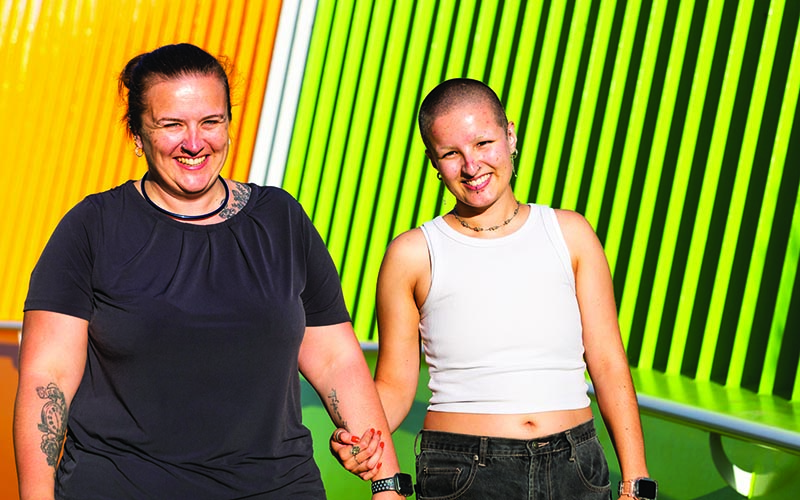
A new website for parents of trans children and young people across Australia is expected to improve family wellbeing and ultimately save lives after launching in May 2023.
Revising public health policy based on new data does not happen automatically. This is acutely relevant to the now undeniable evidence that many diseases develop differently between the sexes and may also be affected by gender. Current health and medical practices across the globe generally fail to cater for sex and gender effects in common diseases.
School toilets have been identified by sexuality and gender diverse (SGD) students as the least safe spaces in educational institutions. They are sites of verbal, physical and sexual victimisation.