
Search
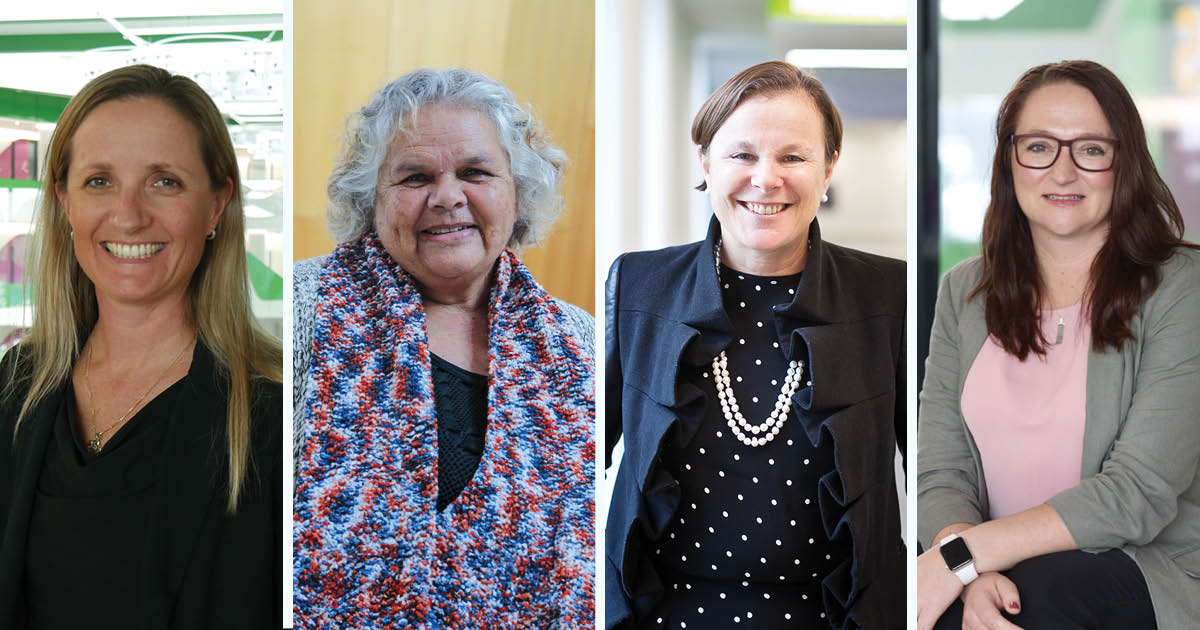
Four outstanding members of The Kids Research Institute Australia family – three researchers and an Aboriginal Elder co-researcher – have been named in the Australia Day Honours List for their outstanding service to research and the community.
Experts are warning Aboriginal parents in Western Australia with newborn babies to be vigilant about Respiratory Syncytial Virus (RSV) as winter progresses.
A world-first study has found a new vaccine against potentially deadly respiratory syncytial virus (RSV) is safe and effective for use in pregnant women, to help protect their babies.
World-first immunisations providing protection against deadly respiratory syncytial virus (RSV) could be just months away thanks to global research efforts spanning multiple decades.
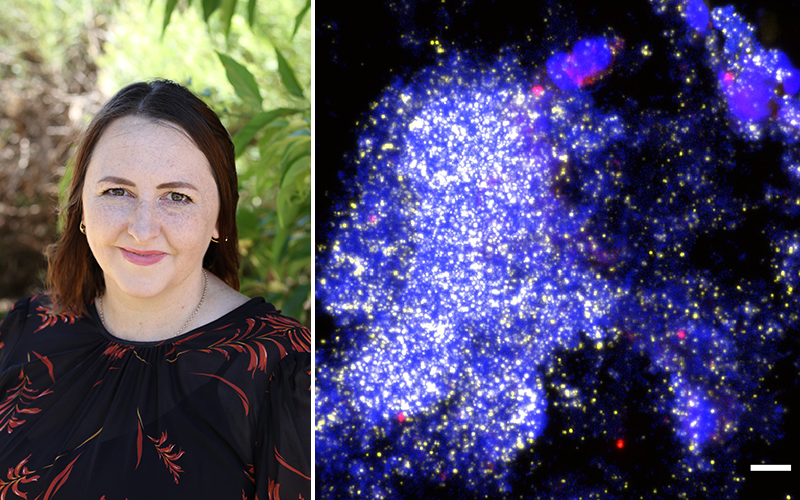
Researchers using powerful microscopes have identified bacterial slime in the lungs of some children with persistent wet coughs.

Respiratory Syncytial Virus (RSV) is a year-round threat to the health of babies and young children, and one of the leading causes of infant hospitalisation in Australia. It is highly contagious and can cause anything from mild cold-like symptoms to severe lung infections such as bronchiolitis and pneumonia. For n
Globally, acute respiratory infections (ARIs) are a leading cause of childhood morbidity and mortality. While ARI-related mortality is low in Australia, First Nations infants are hospitalised with ARIs up to nine times more often than their non-First Nations counterparts.
Pneumococcal conjugate vaccines (PCV) reduced the risk of respiratory syncytial virus (RSV) in a randomized clinical trial. We aimed to assess the real-world effectiveness of PCV on RSV-hospitalizations among Western Australian infants.
Whether vaccination during pregnancy could reduce the burden of respiratory syncytial virus (RSV)-associated lower respiratory tract illness in newborns and infants is uncertain.
Pregnancy and early infancy are increased risk periods for severe adverse effects of respiratory infections. Aboriginal and/or Torres Strait Islander (respectfully referred to as First Nations) women and children in Australia bear a disproportionately higher burden of respiratory diseases compared to non-Indigenous women and infants. Influenza vaccines and whooping cough (pertussis) vaccines are recommended and free in every Australian pregnancy to combat these infections.