
Search
Burkholderia cepacia complex is a cause of serious lung infections in people with cystic fibrosis, exhibiting extremely high levels of antimicrobial resistance. These infections are difficult to treat and are associated with high morbidity and mortality.
Despite a high burden of respiratory disease among infants globally, limited options exist for lung function testing in this age group. Tidal breathing techniques such as oscillometry allow for understanding the pathophysiology of diseases that originate early in life, thus providing the opportunity to develop timely prevention and treatment strategies.
Asthma remission has emerged as a potential therapeutic goal. However, definitions of remission have primarily focused on adult populations, with limited consensus on how remission should be defined in children.

The Wal-yan Respiratory Research Centre is thrilled to see three researchers awarded prestigious Medical Research Future Fund (MRFF) Chronic Respiratory Conditions grants to improve lung health in children.

Five researchers from The Kids Research Institute Australia have been awarded three-year fellowships with the aim of keeping more WA-based PhD graduates involved in child health research.
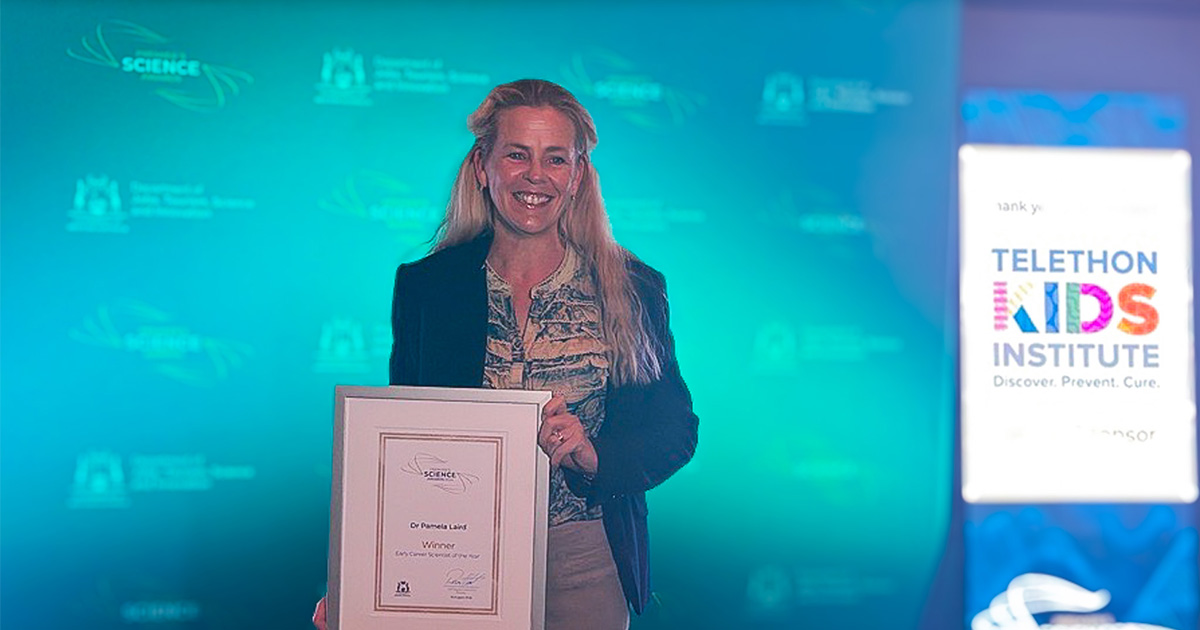
Congratulations to respiratory health researcher and clinician Dr Pam Laird, who was last night named joint winner of Early Career Scientist of the Year at the 2024 Premier’s Science Awards.

Eight The Kids Research Institute Australia-led projects will benefit from the latest round of WA Child Research Fund (WACRF) grants, announced this week by Medical Research Minister Stephen Dawson.
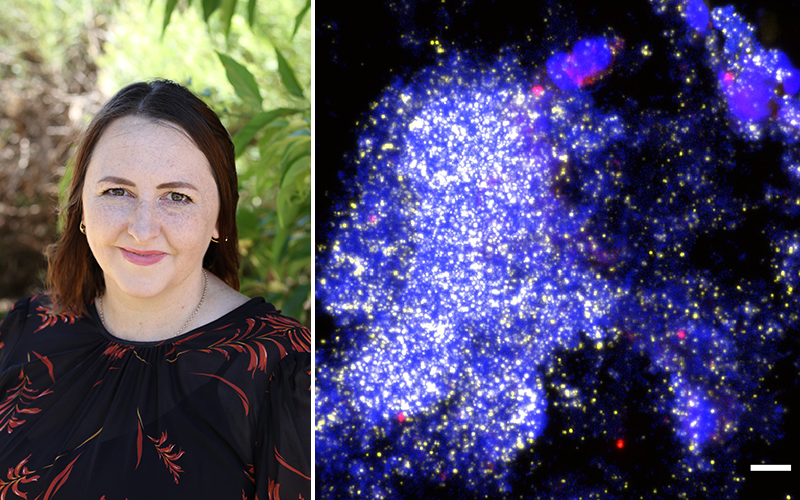
Researchers using powerful microscopes have identified bacterial slime in the lungs of some children with persistent wet coughs.
The airway mucosal epithelium is the main gateway of entry for numerous human respiratory viruses, including human influenza virus, respiratory syncytial virus, coronavirus, and rhinoviruses. For respiratory viruses to perpetuate infection, they must be able to traverse the airway mucosal epithelium and then spread into distal sites of the respiratory tract and lung parenchyma.
Multiple breath washout is a lung function test based on tidal breathing that assesses lung volume and ventilation distribution. The aim of this analysis was to use the Global Lung Function Initiative methodology to develop all-age reference equations for the multiple breath washout indices lung clearance index and functional residual capacity.