Search
Monkeypox virus (MPXV) has been linked to vertical transmission, but systematic data are scarce. We aimed to describe the sociodemographic, clinical, and virological characteristics and assess the frequency and determinants of adverse outcomes in pregnant women with MPXV clade I infection.
The autistic and autism communities have identified improving the quality of life and well-being of autistic people as a key priority. Despite this, to date, there are no evidence-based supports for autistic children which specifically focus on improvements in these areas.
Hereditary pancreatitis causes severe early-onset pain and hospitalisation. In 15 Australian patients undergoing total pancreatectomy and islet auto transplantation (TPIAT), we observed a marked reduction in hospital admissions, inpatient days and emergency visits, complete analgesic cessation by 24 months and durable insulin independence in nearly half of the patients. These findings highlight TPIAT's potential to improve quality of life and reduce healthcare burden. Our programme aims to build evidence to support public funding and ensure equitable access to this procedure.
To describe the perspectives of Aboriginal and Torres Strait Islander peoples and health care workers on genomics in cancer care to inform the National Framework for Genomics in Cancer Control (the Framework).
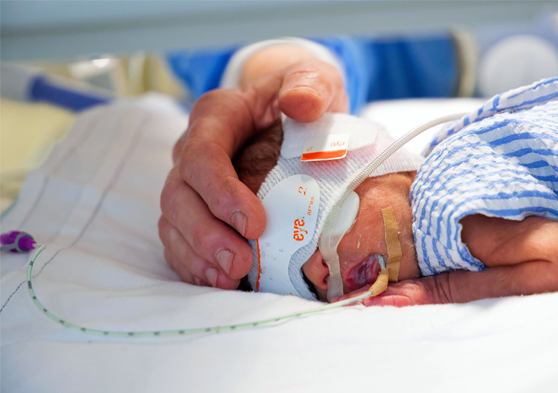
Antibiotic exposure in neonatal intensive care units (NICU) is high. This study describes antibiotic use in very preterm infants and examines the association between duration of exposure and outcomes in blood culture negative (CN) infants.
Ambient heat exposure during pregnancy is associated with adverse outcomes, and adverse neurodevelopmental outcomes are an emerging concern. This scoping review synthesises human and animal evidence on the association between prenatal ambient heat exposure and poor neurodevelopmental outcomes.
Remote Aboriginal communities in Australia are located on traditional lands holding deep cultural significance and meaning for residents. However, systemic inequity rooted in colonisation has driven persistent housing and health disparities, with inadequate environmental health conditions within homes and communities a prominent example.
Children and young people with type 1 diabetes (T1D) experience high rates of mental ill health and stress due to the emotional and cognitive energy required to manage their condition. Our team has codesigned Wellbeing T1D, a brief trauma-informed online intervention for adolescents living with T1D. This 5-week intervention will teach skills to promote problem solving, improve emotional regulation and promote helpful thinking and coping.
Siblings of children with neurodevelopmental conditions have unique experiences and challenges related to their sibling role. Some develop mental health concerns as measured by self-reported surveys or parent report. Few data are available at the population level, owing to difficulties capturing wide-scale health data for siblings. Data linkage is a technique that can facilitate such research.
Information on the hospital service use among individuals with CDKL5 Deficiency Disorder, an ultrarare developmental epileptic encephalopathy, is limited, evidence of which could assist with service planning. Therefore, using baseline and longitudinal data on 379 genetically verified individuals in the International CDKL5 Disorder Database, we aimed to investigate rates of seizure-related and other hospitalizations and associated length of stay in this cohort.