
Search
Monitoring how the incidence of influenza infections changes over time is important for quantifying the transmission dynamics and clinical severity of influenza. Infection incidence is difficult to measure directly, and hence, other quantities which are more amenable to surveillance are used to monitor trends in infection levels, with the implicit assumption that they correlate with infection incidence.
The COVID-19 pandemic drove the implementation of vaccine mandates to protect spaces and/or increase vaccine uptake, though their design, timing, and scope varied across jurisdictions. This study examines the associations of vaccine mandate announcements and removals with COVID-19 vaccine uptake in France, Italy, and California (USA).
COVID-19 related non-pharmaceutical interventions (NPIs) disrupted global healthcare utilisation, with notable declines in infection related paediatric hospitalisations. We aimed to identify non-infectious paediatric conditions for which the incidence of hospital admissions increased during the introduction and alleviation of NPIs in 2020.
Antenatal inactivated influenza and pertussis-containing vaccines offer protection against severe respiratory infections for pregnant women and infants <6 months of age. Both vaccines are recommended in pregnancy; however, little is known about temporal or jurisdictional trends and predictors of uptake.
The bacille Calmette-Guérin (BCG) vaccine has immunomodulatory "off-target" effects that have been hypothesized to protect against coronavirus disease 2019.
A vaccine against influenza is available seasonally but is not 100% effective. A predictor of successful seroconversion in adults is an increase in activated circulating T follicular helper (cTfh) cells after vaccination. However, the impact of repeated annual vaccinations on long-term protection and seasonal vaccine efficacy remains unclear.
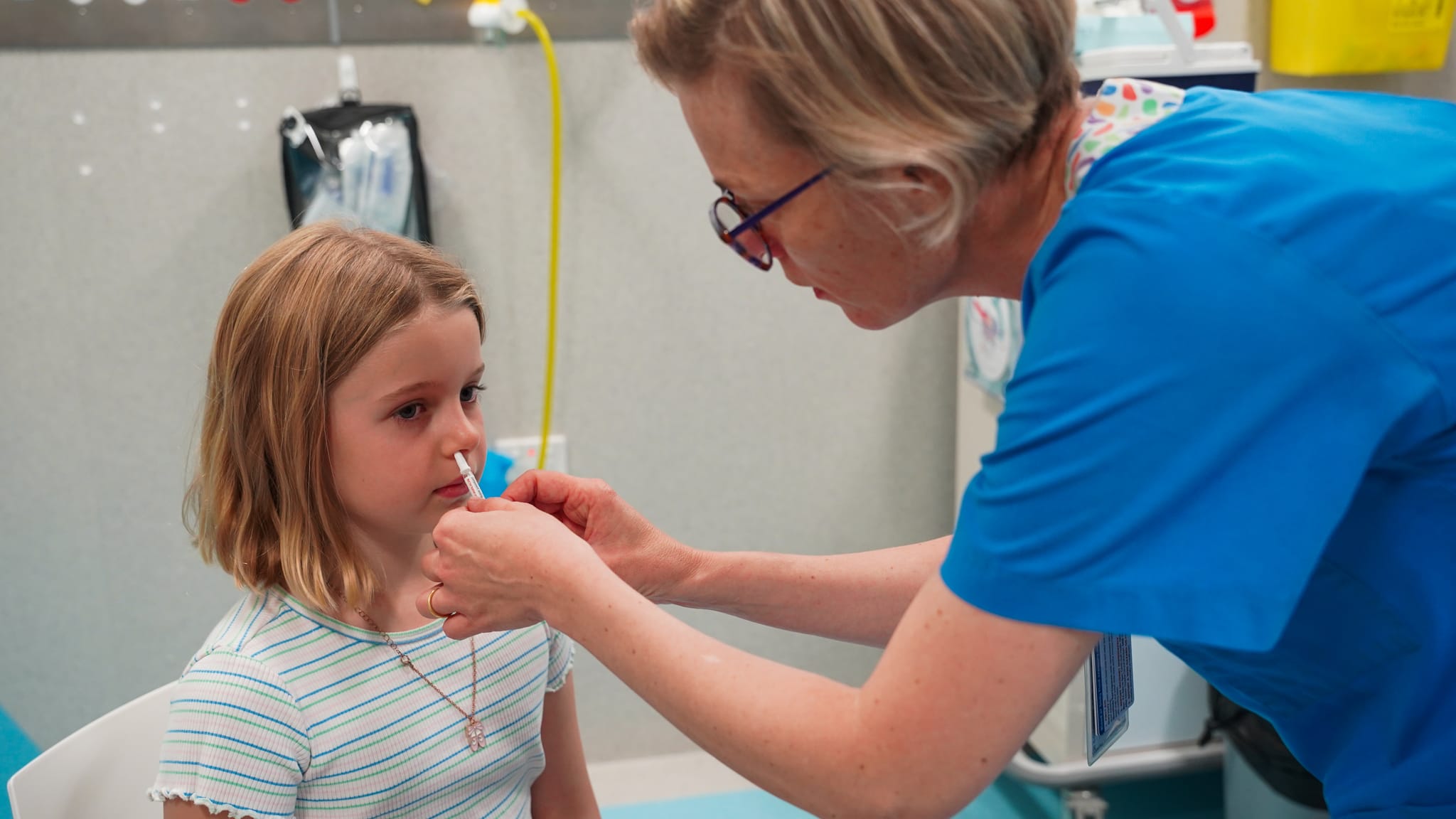
Influenza (commonly known as the flu) is caused by a highly contagious virus spread mainly through coughing and sneezing. An annual flu vaccination is the most effective way to prevent flu outbreaks.
This study quantifies the short-term risk profiles of seven severe acute respiratory syndrome coronavirus 2 virus (SARS-CoV-2) vaccines-Comirnaty Bivalent BA.1, Comirnaty Bivalent BA.4-5, Comirnaty XBB.1.5, Spikevax Bivalent BA.1, Spikevax Bivalent BA.4-5, Spikevax XBB.1.5 and Nuvaxovid-administered as booster doses in Australia.
Rhinoviruses (RV) are the most common respiratory viruses globally and a major cause of airway symptoms in children and individuals with asthma. Although more than 170 RV types exist across 3 species (RV-A, RV-B, RV-C), type-specific circulation patterns and age-related prevalence remain poorly defined.
Immunisation is the most effective way of protecting your child against a range of serious illnesses, including measles, hepatitis B and whooping cough. All vaccines used in Australia undergo stringent testing and ongoing monitoring.