
Search
Showing results for " https://www.galaxus.ch/en/sector/showdiscussion/hack-someone-snap-visit-kunghaccom-j8f6qlhn-224830"
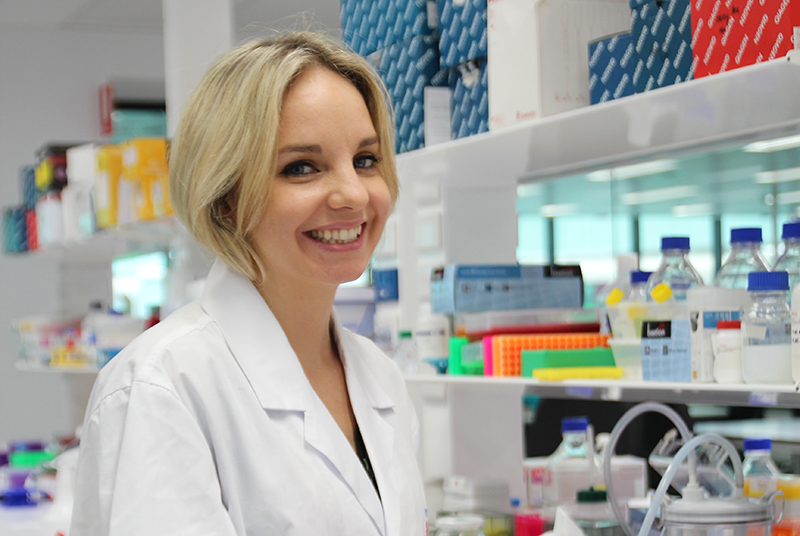
The Robert Connor Dawes Foundation has joined forces with the Ethan Davies Fellowship to co-fund a The Kids Research Institute Australia initiative aimed at uncovering new treatments for aggressive childhood brain tumours.
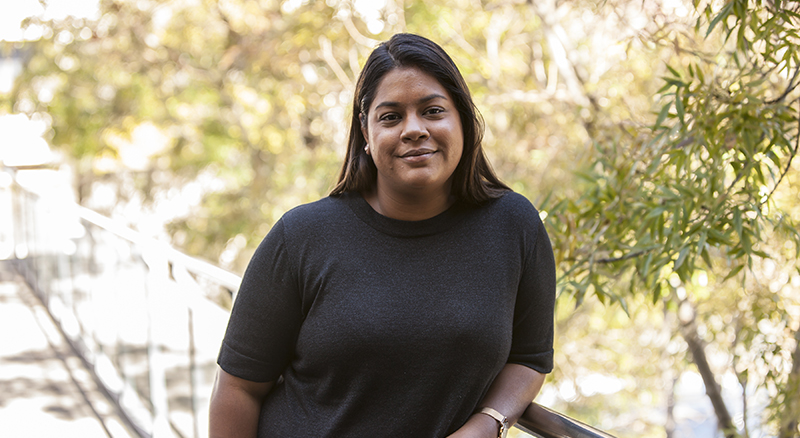
Autism researchers from The Kids Research Institute Australia have called for the term ‘high functioning autism’ to be abandoned because of the misleading and potentially harmful expectations it creates around the abilities of children on the autism spectrum.
With the help of clinicians and families who have children with Rett syndrome, our research aims to improve understanding of Rett syndrome.

Learn about the findings from the LiLo study.
Despite potentially harmful consequences, people routinely encounter alcohol adverts designed to increase consumption of alcohol in preference to safer alternatives. However, individuals differ in the degree to which such adverts elicit preferential alcohol consumption. This study builds upon and extends prior research by testing hypotheses concerning the impact of biased processing during advert viewing on subsequent alcohol craving and consumption.
Cognitive theories contend that attentional bias to negative information contributes to elevated trait anxiety. However, research in this area has been hindered by the lack of a standardized assessment task that demonstrates the required qualities, including strong internal consistency and ecological validity. The present study aimed to develop and validate the Talking Heads Attentional Bias Assessment Task, an easy-to-implement measure that overcomes the limitations of previous attentional bias assessment tasks.
Preterm birth is associated with lifelong respiratory sequelae, yet our understanding of lung function trajectories across the lifespan remains limited. We aimed to identify patterns of spirometry development from childhood to early adulthood in survivors of very preterm birth using novel data-driven methods.
Global rates of invasive Group A Streptococcus (iGAS) disease surged from September 2022, exceeding pre-COVID-19 pandemic levels, showing atypical seasonality and disproportionately affecting children. We previously described the epidemiology of iGAS among Australian children from mid-2018 to end 2022 using data from the Paediatric Active Enhanced Diseases network and here provide updated clinical epidemiology for 2023 and 2024 to help inform public health strategies.
Limited evidence suggests that airway epithelial structure and function is disrupted in very preterm infants; however, the epithelial morphology and physiology has not been well characterised following discharge from neonatal intensive care. This study aimed to characterise the nasal airway epithelium from 1-year-old survivors of very preterm birth.
Efforts to promote adolescent wellbeing are of increasing global interest. Although the ability to measure wellbeing is essential for identifying disparities between and within populations, and for tracking progress in improving wellbeing, the best way to measure this elusive concept in adolescents is unclear.