
Search
Rheumatic heart disease (RHD) comprises heart-valve damage caused by acute rheumatic fever (ARF). The Australian Government Rheumatic Fever Strategy funds RHD Control Programs to support detection and management of ARF and RHD. We assessed epidemiological changes during the years of RHD Control Program operation.
Chronic disease remains the leading cause of morbidity and mortality among Aboriginal and Torres Strait Islander peoples in Australia. Regular structured, comprehensive health assessments are available to Aboriginal and Torres Strait Islander people as annual health checks funded through the Medicare Benefits Schedule.

End RHD CRE News & Events
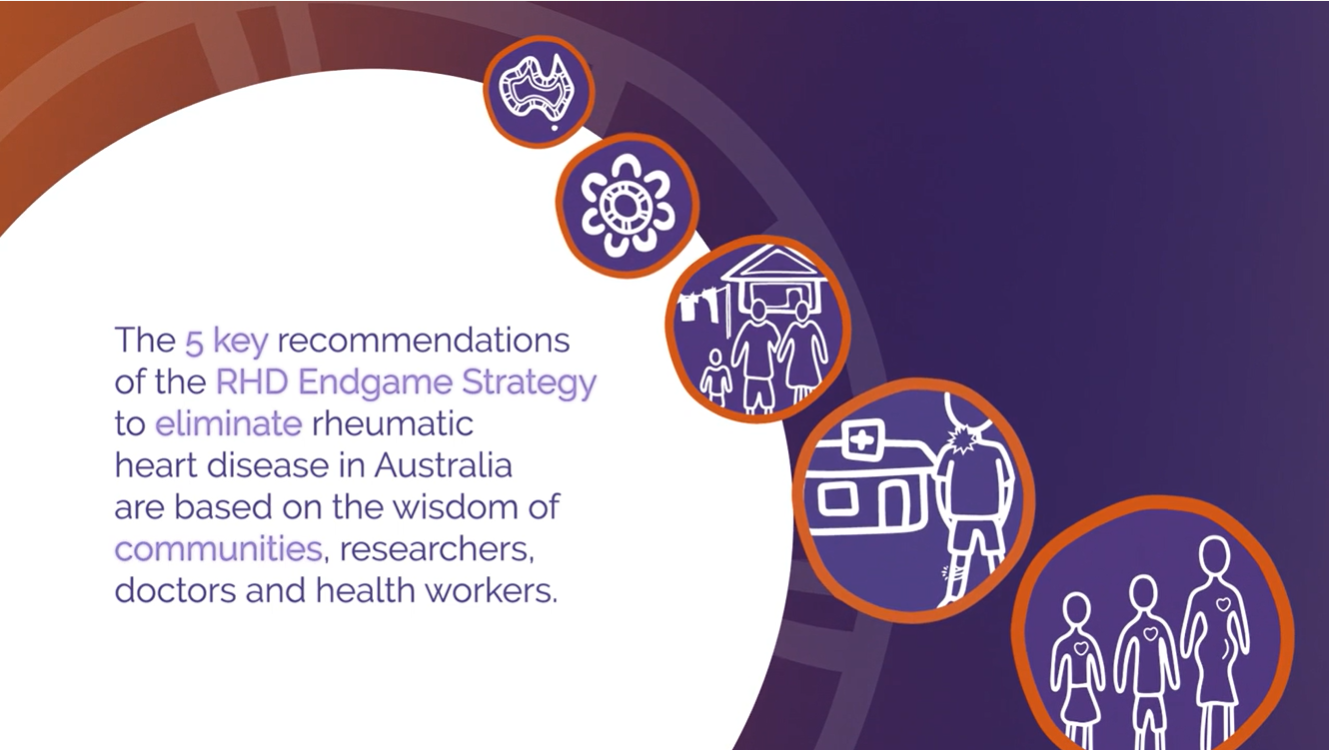
Across Australia, more than 5,000 Aboriginal and Torres Strait Islander people are currently living with rheumatic heart disease (RHD) or its precursor, acute rheumatic fever (ARF).

For Aboriginal Community Researchers Minitja Marawili and Yunutju Gondarra, the work of the END RHD CRE is deeply personal.
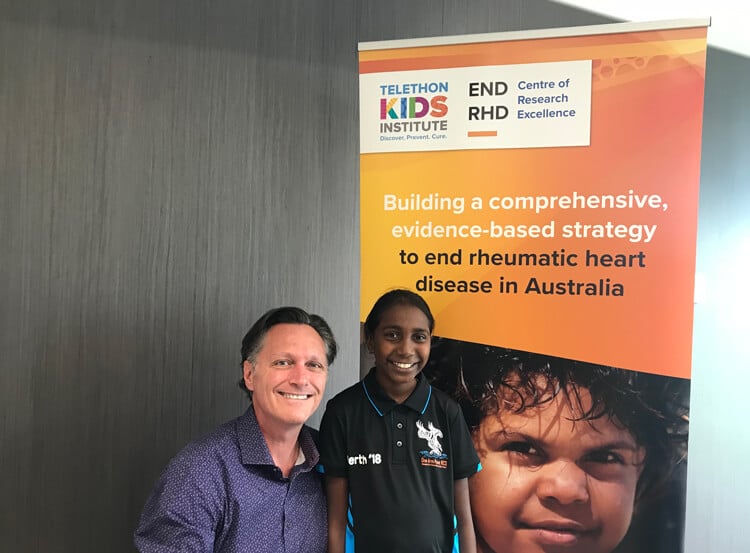
Laqueisha was just five years old when she was diagnosed with rheumatic heart disease and sent on a 5,000km return trip to Perth for major heart surgery.
To determine age-specific and age-standardised incidence trends of acute rheumatic fever (ARF) or rheumatic heart disease (RHD) among Indigenous Western Australians aged less than 35 years of age.
This scoping review explores existing clinical guidelines on administration of benzathine benzylpenicillin (Bicillin L-A, Pfizer Australia) in Australia and Aotearoa New Zealand. The objective is to understand existing delivery guidance to address variation in care and cultural safety considerations, to support messaging during periods of stockout and to inform planning for new administration techniques.
In Australia, accurate case ascertainment of acute rheumatic fever (ARF) and rheumatic heart disease (RHD) diagnoses for disease surveillance and control purposes requires the use of multiple data sources, including RHD registers and hospitalisation records. Despite drawing on multiple data sources, the true burden of ARF/RHD is likely to be underestimated.
This Phase-IIa trial evaluates the safety and pharmacokinetics of high-dose, 10 weekly subcutaneous injections of penicillin (SCIP) in young people with a history of acute rheumatic fever (ARF).