Skip to content
The Kids Research Institute Australia logo
Donate

Search

Research

The impact of weather on time allocation to physical activity and sleep of child-parent dyads - Life Course Centre Working Paper Series 2021

This study explores the differential impact of weather on time allocation to physical activity and sleep by children and their parents. We use nationally representative data with time use indicators objectively measured on multiple occasions for more than 1,100 child-parent pairs, coupled with daily meteorological data.

Research

Cohort Profile: HABITAT-a longitudinal multilevel study of physical activity, sedentary behaviour and health and functioning in mid-to-late adulthood

The benefits of physical activity in reducing the risk of non-communicable diseases are well documented. Physical inactivity contributes to 6–10% of the burden of coronary heart disease, type 2 diabetes, and breast and colon cancers.

Research

Cohort Profile: HABITAT-a longitudinal multilevel study of physical activity, sedentary behaviour and health and functioning in mid-to-late adulthood

Citation: Turrell G, Nathan A, Burton NW, Brown WJ, McElwee P, Barnett AG, et al. Cohort Profile: HABITAT-a longitudinal multilevel study of physical

Research

Gestational age and child development at school entry

Studies have reported a dose-dependent relationship between gestational age and poorer school readiness. The study objective was to quantify the risk of developmental vulnerability for children at school entry, associated with gestational age at birth and to understand the impact of sociodemographic and other modifiable risk factors on these relationships. Linkage of population-level birth registration, hospital, and perinatal datasets to the Australian Early Development Census (AEDC), enabled follow-up of a cohort of 64,810 singleton children, from birth to school entry in either 2009, 2012, or 2015.

Research

DETECT Schools Study Protocol: A Prospective Observational Cohort Surveillance Study Investigating the Impact of COVID-19 in Western Australian Schools

Amidst the evolving COVID-19 pandemic, understanding the transmission dynamics of the SARS-CoV-2 virus is key to providing peace of mind for the community and informing policy-making decisions. While available data suggest that school-aged children are not significant spreaders of SARS-CoV-2, the possibility of transmission in schools remains an ongoing concern, especially among an aging teaching workforce. Even in low-prevalence settings, communities must balance the potential risk of transmission with the need for students' ongoing education.

Research

A study protocol for a randomised controlled trial to evaluate the effectiveness of a dog-facilitated physical activity minimal intervention on young children's physical activity, health and development: the PLAYCE PAWS trial

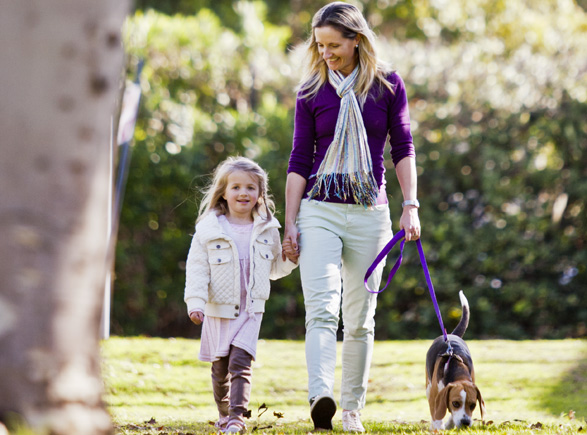
Pet ownership brings many health benefits to individuals. In children developmental benefits can extend to improved self-esteem, better social competence and decreased loneliness. The majority of households with children own a dog, however only a small proportion of children gain the benefits of dog ownership through dog walking and play. There are few intervention studies investigating the impact of dog-facilitated physical activity in children. The PLAYCE PAWS study aims to test a minimal-contact intervention through the use of mobile health ("mhealth") strategies, i.e. text (SMS) messages, to parents to encourage their children to walk and play with their dog more, and evaluate the impact on children's overall physical activity and development.

Research

Consumption of energy drinks is associated with depression, anxiety, and stress in young adult males: Evidence from a longitudinal cohort study

Energy drinks (EDs) claim to boost mental performance, however, few studies have examined the prospective effects of EDs on mental health. This study examined longitudinal associations between ED use and mental health symptoms in young adults aged 20 years over a 2-year period.

Research

The Challenges of Being Physically Active: A Qualitative Study of Young People With Type 1 Diabetes and Their Parents

Benefits of physical activity are well recognized for youth with type 1 diabetes mellitus (T1DM), but being active is challenging. In this study, we aimed to investigate the challenges experienced by adolescents, their parents and young adults with T1DM when they are physically active.

Research

Understanding obesity among companion dogs: New measures of owner's beliefs and behaviour and associations with body condition scores

The findings provide a method for assessing a wide range of factors that may be associated with obesity among companion dogs

Research

Children's neighbourhood physical environment and early development: an individual child level linked data study

The neighbourhood physical environment has a weak but significant association with early childhood development