
Search
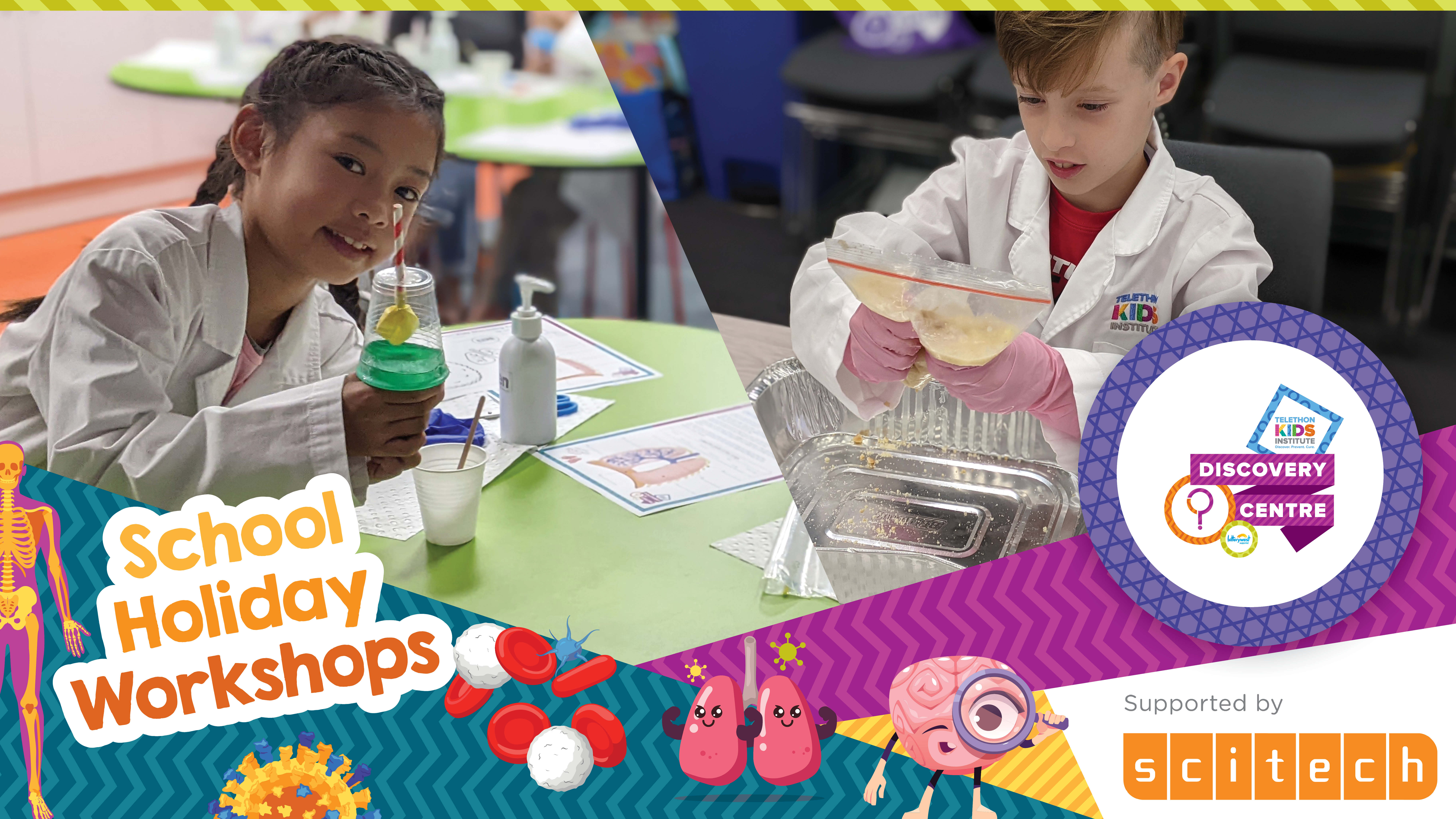
Everything you need to know to book tickets to our upcoming school holiday workshops held at Scitech!
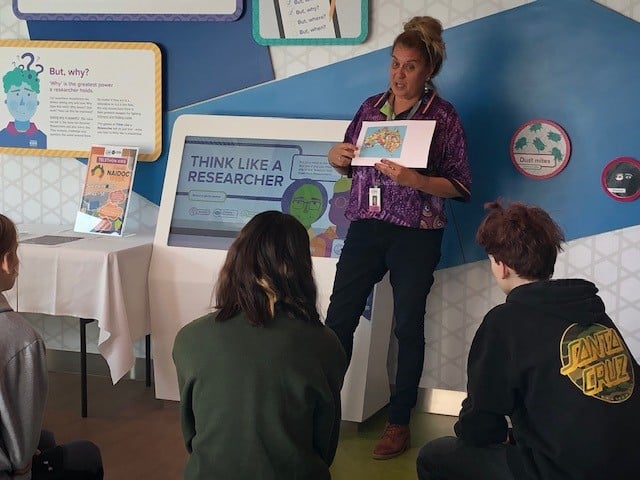
Register your interest to book a special NAIDOC Week x The Kids school excursion.
While the Discovery Centre is free to use, we do appreciate all donations no matter how small they are. This will ensure that it remains free in the future.
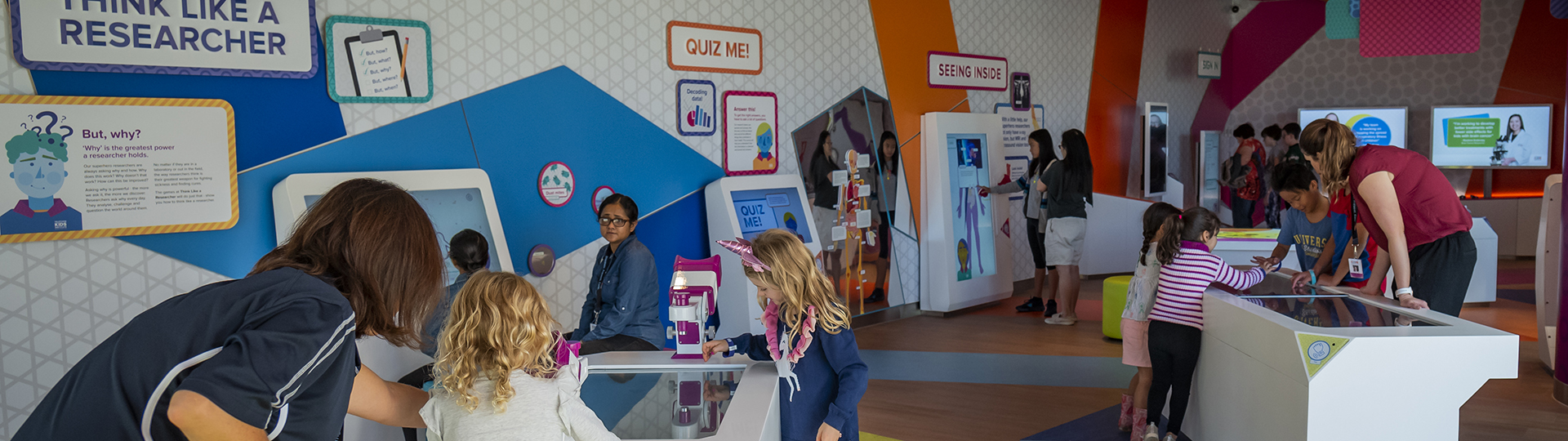
Get some key information about some of the most popular questions that people are asking about the Discovery Centre.
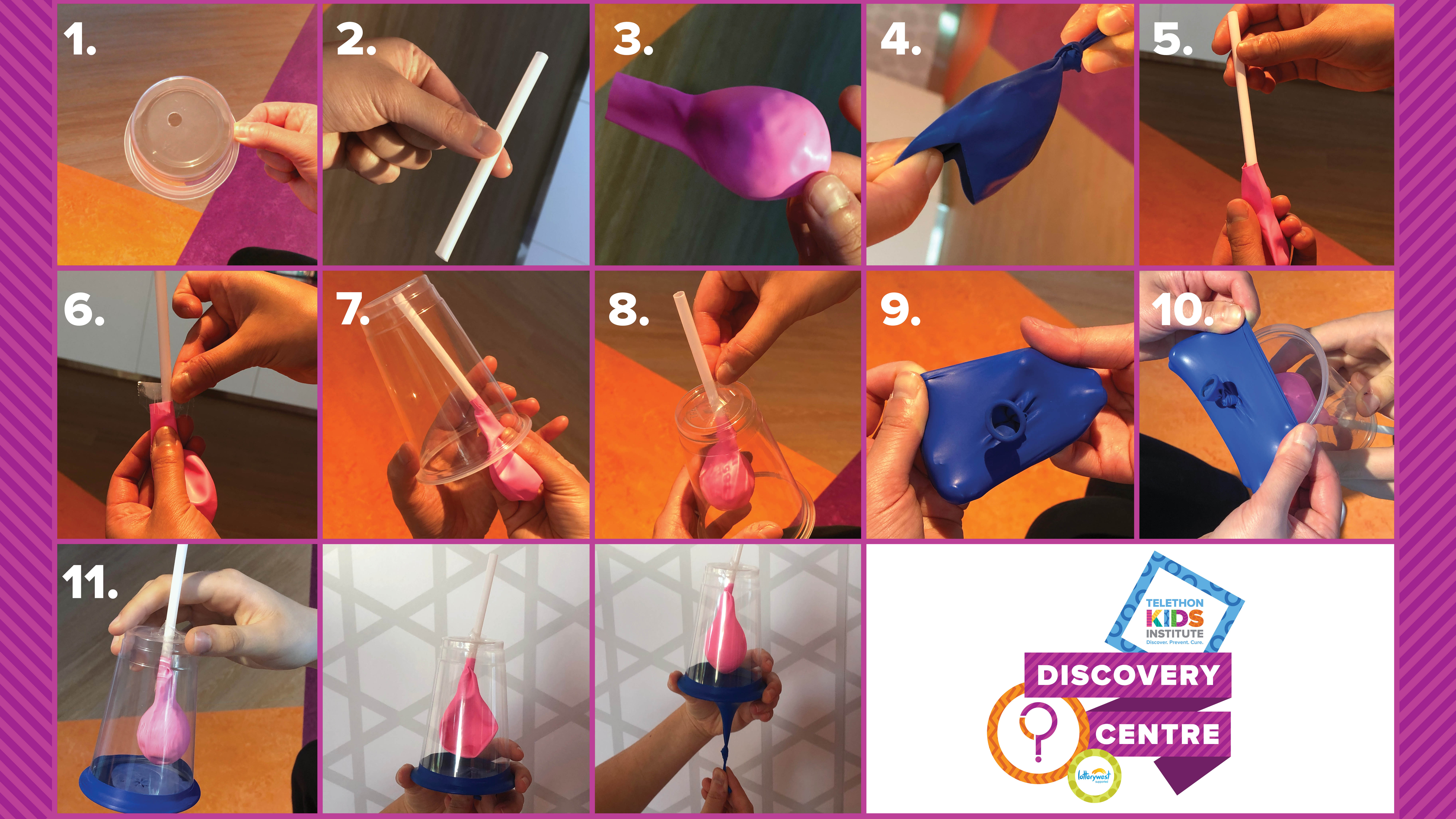
Have you ever wondered how your lungs work? Researchers from our Children’s Lung Health Team show you how to make a simple lung model by using common household items.
The Sore Throat Study is looking for healthy children and young people to take part in a new study investigating sore throats, also known as pharyngitis, and how best to prevent them.
Contact the ASAVI team
Representing a 30-year interdisciplinary collaboration between The Kids, Perth Children’s Hospital, and WA Universities, the combined global impact of work from this Centre over the last 10 years has equalled some of the most influential paediatric centres around the world.
The Respiratory Physiology Platform at the Wal-yan Respiratory Research Centre offers access to specialist equipment housed within the outpatient research department at Perth Children’s Hospital, dedicated for research use.
The Respiratory Physiology Platform at the Wal-yan Respiratory Research Centre offers access to specialist equipment housed within the outpatient research department at Perth Children’s Hospital, dedicated for research use.