
Search
Having a newborn child admitted into a NICU can be highly traumatic for parents. The compounding effects of the NICU clinical environment, having a seriously ill child, in addition to the inability to care or adequately bond with your child can be extremely distressing.
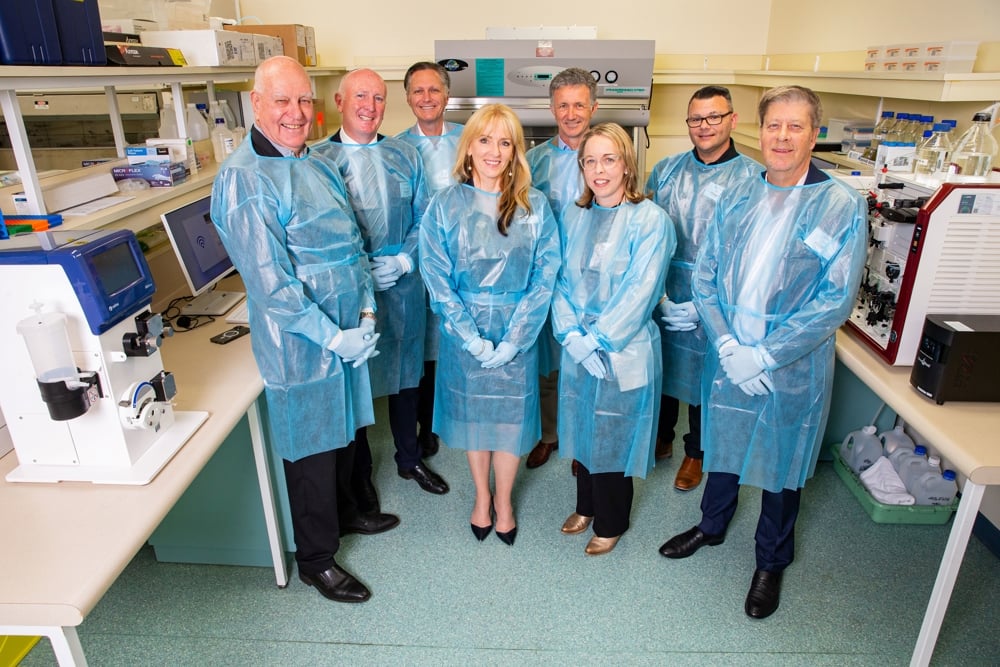
Patients battling antibiotic-resistant superbugs will soon have access to life-saving WA-made therapies that could help treat lung, skin and ear infections as well as bacterial infections like Golden Staph. Western Australia's inaugural phage manufacturing facility – spearheaded by a team at the
A phase 3 multi-centre randomized placebo-controlled study of azithromycin in the primary prevention of radiologically-defined bronchiectasis in infants with cystic fibrosis
Investigators: Natalie Kippin This research aims to examine the communication abilities of young people sentenced to detention in Western Australia,
Gina Nicole Trapp Hanna BHSc(Hons1A), RPHNutr, PhD BHlthSc (Hons) Honorary Research Associate Program Manager 08 6319 1033 Gina.Trapp@thekids.org.au
Project description This project support the development of 10-year global forecasts of nets, insecticides, diagnostics, and treatments for malaria
Shelley Prue Gorman Hart BSc (Hons) PhD BSc (Hons) MSc PhD Honorary Research Associate Honorary Research Fellow shelley.gorman@thekids.org.au
This project will use computational methods to assess the deposition of e-cigarette aerosols in the lungs, and the distribution of chemicals within e-cigarette aerosols throughout the body.
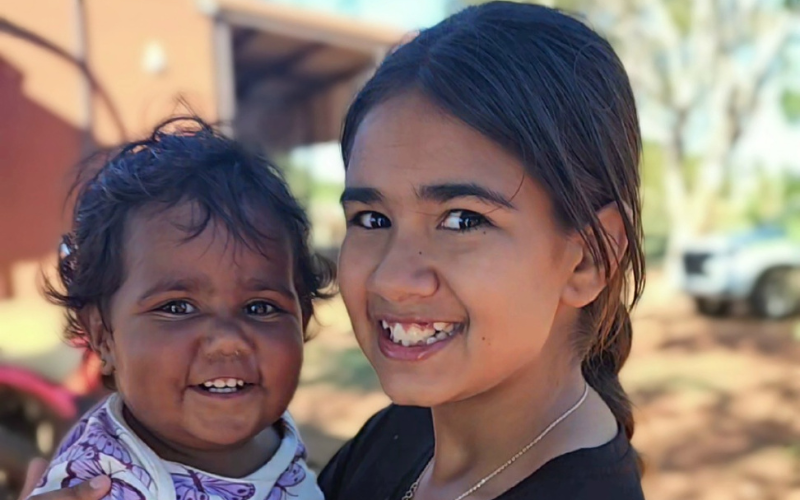
The key to improving the lung health of Aboriginal children lies in establishing strong community connections.
Raelene Endersby BSc (Hons) PhD Brainchild Fellow; Co-Head, Brain Tumour Research team raelene.endersby@thekids.org.au Co-Head, Brain Tumour Research
Chile has been hard hit by COVID-19, at times reporting around 6500 new cases a day, with many of these located in the capital Santiago.
In Australia, RHD-related death and disability is the leading driver of cardiovascular inequality between Indigenous and non-Indigenous Australians.
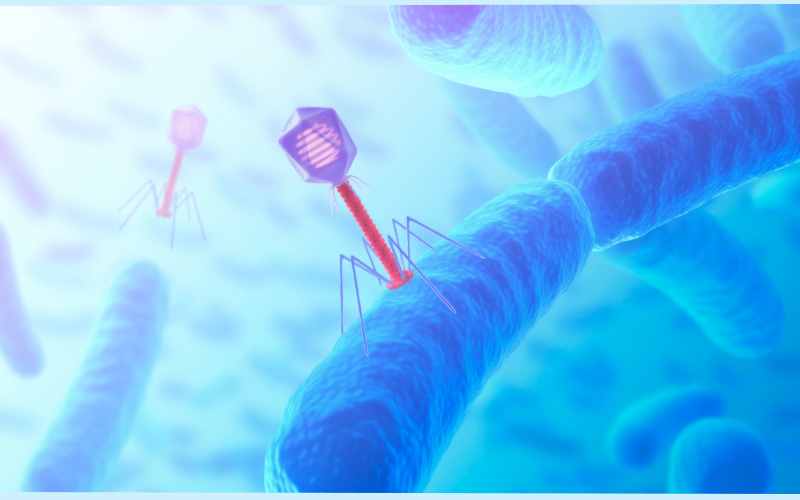
The Wal-yan Respiratory Research Centre is seeking expressions of interest from Western Australians to join an Antimicrobial Resistance (AMR) Community Reference Group, to provide vital community perspectives on the research activities into this global health concern.

Four outstanding researchers from the Wal-yan Centre - Professor André Schultz, Professor Stephen Stick, Rebecca Watson and Michael Beaven - have been presented with prestigious awards in acknowledgement of their research aimed at improving the lives of children with respiratory illness.
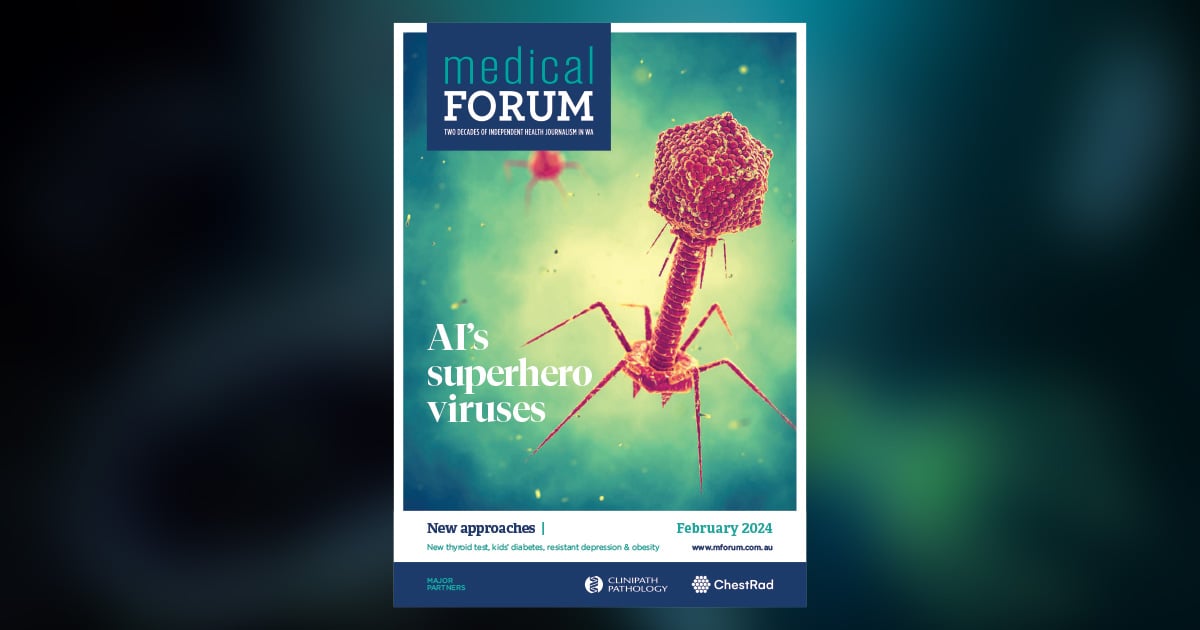
On the front cover of this month’s Medical Forum WA Magazine - Superhero viruses, #AI and the final phage.
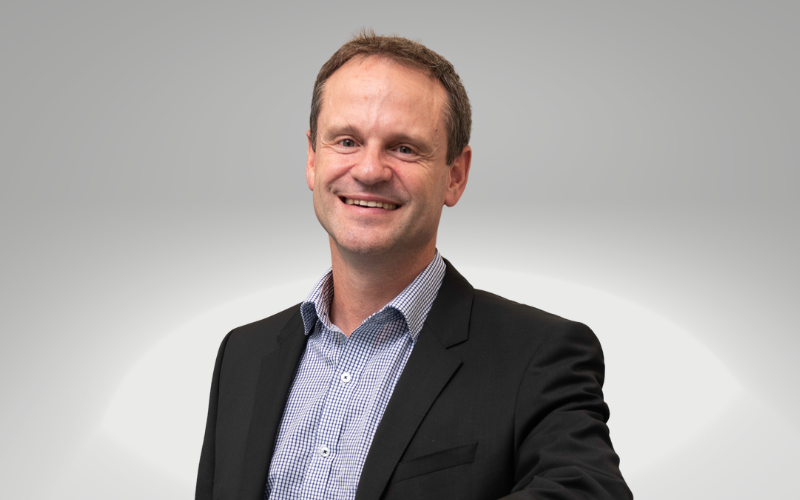
In an exciting development for the Wal-yan Respiratory Research Centre, Professor André Schultz has been appointed as the Centre’s new Head, succeeding Professor Stephen Stick.
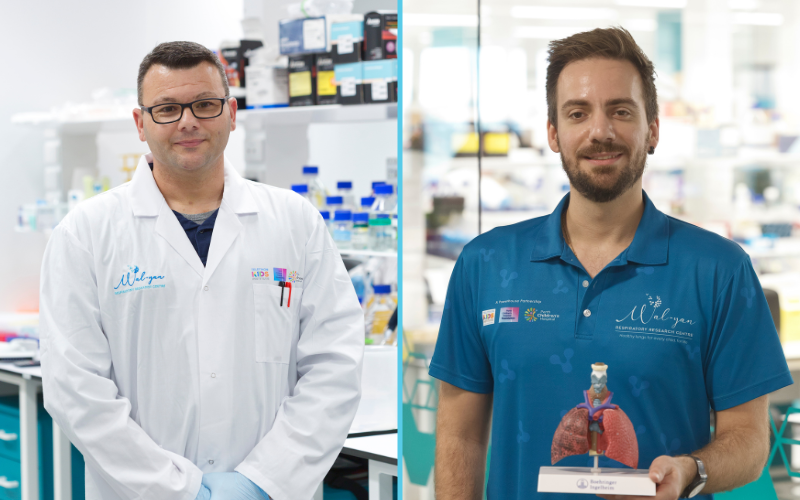
New funding from the Stan Perron Charitable Foundation will support research into innovative treatments for antibiotic-resistant infections and asthma in children, led by Wal-yan Respiratory Research Centre researchers.