Skip to content
The Kids Research Institute Australia logo
Donate

No results yet

Search

News & Events

Lancet paper finds hormone therapy for trans young people can improve mental health - but authors say more research is desperately needed

A Lancet-published review of the evidence around the use of gender-affirming hormones and surgery in trans children and adolescents has found such interventions can lead to a marked improvement in mental health outcomes and quality of life.

News & Events

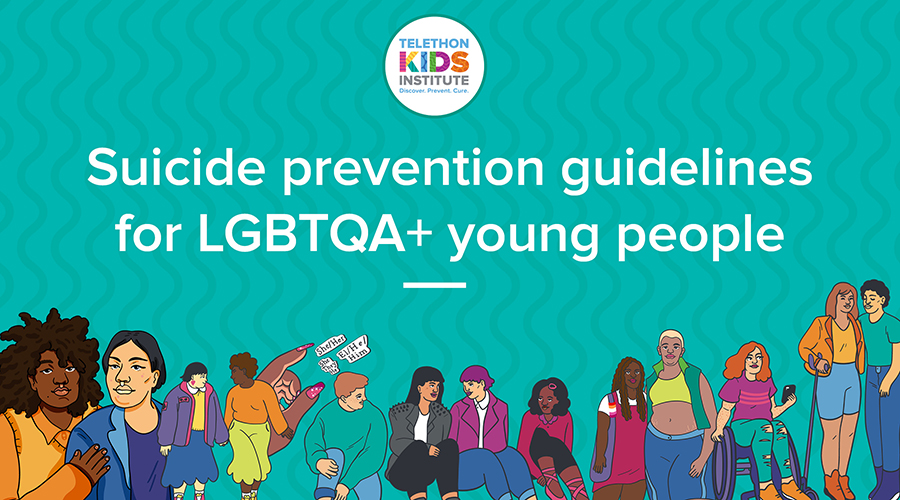
Trans young people at high risk of depression and suicide

Trans Pathways is the largest ever survey conducted into the mental health of trans young people in Australia.

News & Events

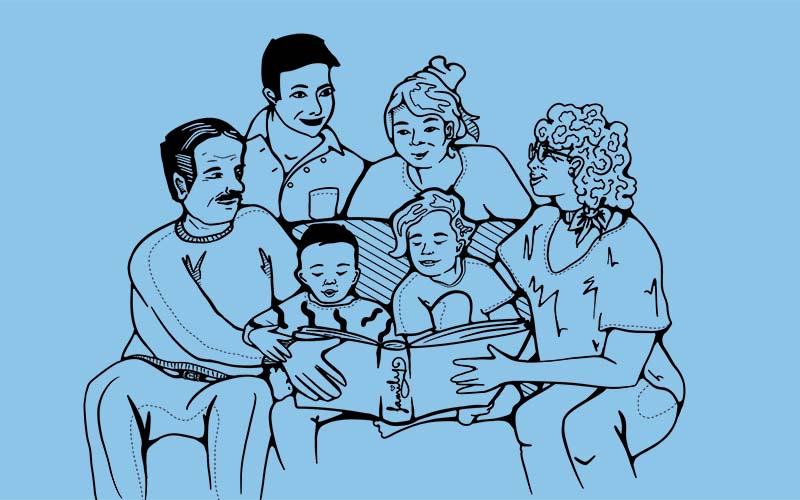
Project helps Ethan belong

Ethan recently took part in Belong, a study led by The Kids which aims to ensure deaf and hard of hearing kids have a happy & positive school experience

Research

Early motor function of children with autism spectrum disorder: A systematic review

Early motor impairments have been reported in children with neurodevelopmental disorders (NDD), but it is not clear if early detection of motor impairments can identify children at risk for NDD or how early such impairments might be detected. Our aim was to characterize early motor function in children later diagnosed with NDD relative to typically developing children or normative data.

Research

A wellbeing program to promote mental health in paediatric burn patients: Study protocol

One of the most traumatic injuries a child can experience is a severe burn. Despite improvements in medical treatments which have led to better physical outcomes and reduced mortality rates for paediatric burns patients, the psychological impact associated with experiencing such a traumatic injury has mostly been overlooked. This is concerning given the high incidence of psychopathology amongst paediatric burn survivors. 

Research

Occurrence of psychosis and bipolar disorder in adults with autism: A systematic review and meta-analysis

Evidence suggests that individuals with autism spectrum disorder have increased rates of co-occurring psychosis and/or bipolar disorder. Considering the peak age of onset for psychosis and bipolar disorder occurs in adulthood, we investigated the co-occurrence of these disorders in adults with autism.

Research

Working with young people at risk of suicidal behaviour and self-harm: A qualitative study of australian general practitioners’ perspectives

General Practitioners (GPs) play a crucial role in the identification and support of young people at risk of suicidal behaviour and self-harm; however, no studies have explored GPs’ perspectives, approaches, challenges, and resource needs when working with this cohort in an Australian setting.

Research

Investigation of structural brain correlates of neurological soft signs in individuals at ultra-high risk for psychosis

Increased severity of neurological soft signs (NSS) in schizophrenia have been associated with abnormal brain morphology in cerebello-thalamo-cortical structures, but it is unclear whether similar structures underlie NSS prior to the onset of psychosis. The present study investigated the relationship between severity of NSS and grey matter volume in individuals at ultra-high risk for psychosis stratified for later conversion to psychosis.

Research

The psychosocial impact of rare diseases among children and adolescents attending mainstream schools in Western Australia

Living with a long-term medical condition is associated with heightened risk for mental health and psychosocial difficulties, but further research is required on this risk for children and adolescents with a rare disease in the educational setting. The aim of this study is to describe parents’ perceptions of the psychosocial impact of rare diseases on their school-aged children in Western Australia.

Research

Gender differences in the experience of psychotic-like experiences and their associated factors: A study of adolescents from the general population

"Psychotic-Like Experiences" (PLEs) are common in the general population. While they are usually transient and resolve spontaneously, they can be distressing and signify increased risk for later psychosis or other psychopathology. It is important to investigate factors associated with PLEs which could be targeted to reduce their prevalence and impact. Males and females are known to experience PLEs differently, but any gender differences in the relationships between PLEs and other, potentially targetable, factors are currently unknown.