
Search
Showing results for " https://www.galaxus.ch/en/sector/showdiscussion/hack-someone-snap-visit-kunghaccom-j8f6qlhn-224830"
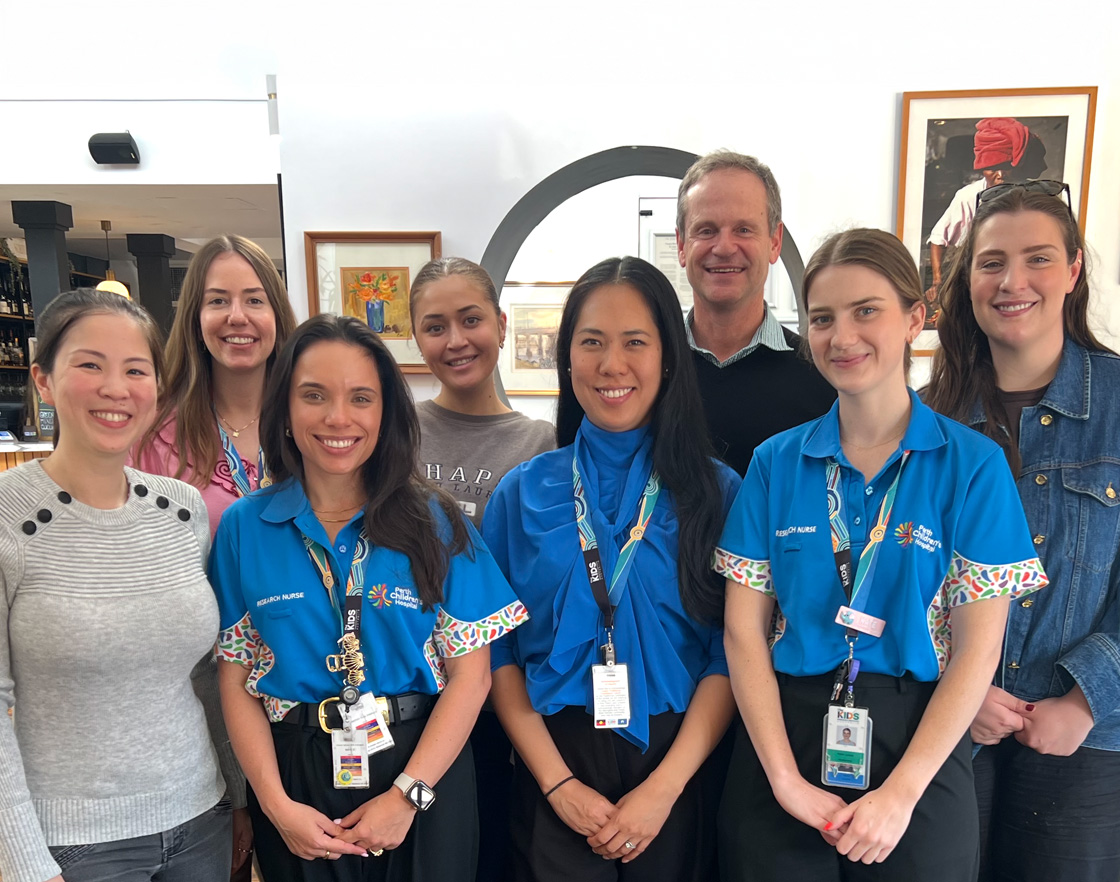
Our team aims to optimise lung health early in life to ensure the best possible health outcomes later in life.
Family-based lifestyle interventions for children/adolescents with severe levels of obesity are numerous, but evidence indicates programs fail to elicit short- or longer-term weight loss outcomes. Families with lived experience can provide valuable insight as we strive to improve outcomes from programs. Our aim was to explore elements that families desired in a program designed to treat severe levels of obesity in young people.
For parents and guardians, assisting children/adolescents with severe obesity to lose weight is often a key objective but a complex and difficult challenge. Our aim in this study was to explore parents' (and guardians') perspectives on the challenges they have faced in assisting their children/adolescents with severe obesity to lead a healthy lifestyle.
Research from Perth's The Kids for Child Health Research shows that symptoms of depression in young men may be associated with low vitamin D levels.
In a world first, 96 per cent of communities in Australia now have vital information about their children's development
Children who are mainly breastfed for the first six months (or longer) score significantly higher academically at 10 years of age, especially boys.

The Kids Research Institute Australia has welcomed today’s announcement by the Cook Government and Minderoo Foundation of a $34.6 million boost for the Early Years Partnership to achieve better outcomes for children.
The generation of myeloid cells from their progenitors is regulated at the level of transcription by combinatorial control of key transcription factors...
Population-based birth cohorts on asthma and allergies increasingly provide new insights into the development and natural history of the diseases.
Understanding informant discrepancies and their meaning is pivotal to designing surveys that generate robust insights into the health of sexual-minority adolescents