
Search
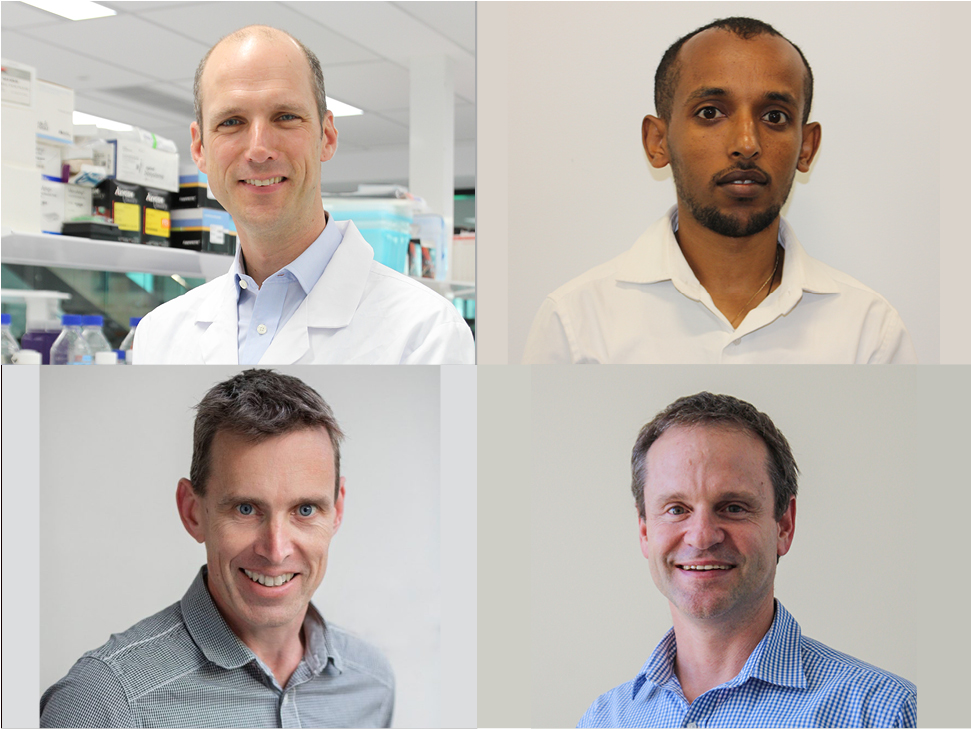
Researchers at The Kids Research Institute Australia have been awarded $4.6 million in national funding from the National Health and Medical Research Council (NHMRC) and Medical Research Future Fund (MRFF) to help support child health research.
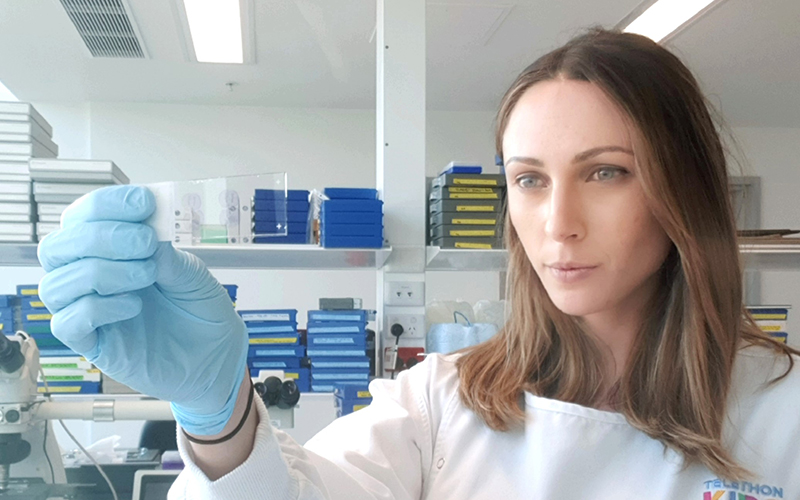
A The Kids Research Institute Australia researcher aiming to reduce the high rate of relapse in children after cancer surgery has won a prestigious post-doctoral fellowship from the Forrest Foundation.
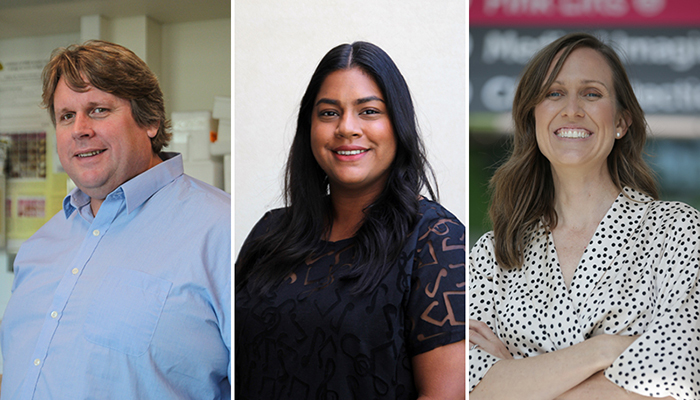
The Kids Research Institute Australia researchers have been awarded 12 of 16 grants under the latest round of funding from the WA Child Research Fund
Diagnostic irradiation of the mother during pregnancy increases the risk of childhood acute lymphoblastic leukemia
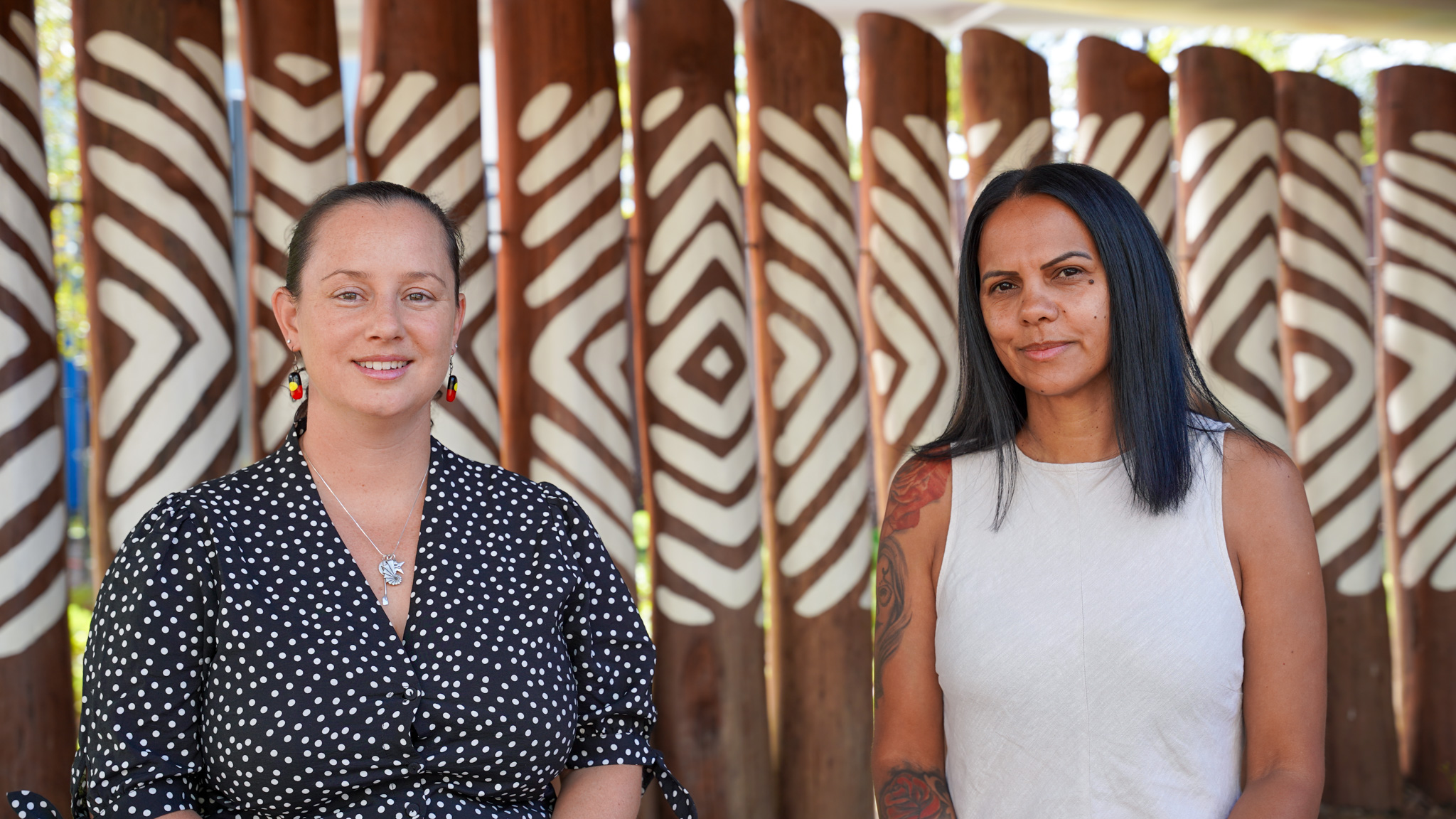
A first of its kind research program at The Kids Research Institute Australia aims to develop new strategies to better treat Aboriginal and Torres Strait Islander children with cancer.
Brain cancer and leukemia are the most common cancers diagnosed in the pediatric population and are often treated with lifesaving chemotherapy. However, chemotherapy causes severe adverse effects and chemotherapy-induced peripheral neuropathy (CIPN) is a major dose-limiting and debilitating side effect.
The epidermal growth factor receptor (EGFR) family of receptor tyrosine kinases (RTKs) consists of EGFR, ErbB2, ErbB3, and ErbB4. These receptors play key roles in cell proliferation, angiogenesis, cell migration, and in some cases, tumor promotion.
Mothers of children diagnosed with cancer have been shown to experience high rates of psychological distress and poor physical health. Pregnancy further increases the healthcare needs of mothers due to the marked physiological changes and psychological adaptations.
Chemotherapy has historically been the mainstay of cancer treatment, but our understanding of what drives a successful therapeutic response remains limited.
Teachers play a vital role in developing children's sun protection routines however upskilling preservice teachers (PSTs) while at university has not yet been trialled as a targeted skin cancer prevention strategy. Hence, this study investigated PSTs perceptions and experiences of sun safety following a brief pilot intervention and placement in primary schools in Western Australia.