
Search
As Head of Aboriginal Research Development at Telethon Kids, Glenn Pearson believes his work brings us closer to identifying the real and whole Australian story

Two Perth clinician-scientists have been recognised as national leaders in infectious disease research after being elected as Fellows of the esteemed Australian Academy of Health and Medical Sciences.
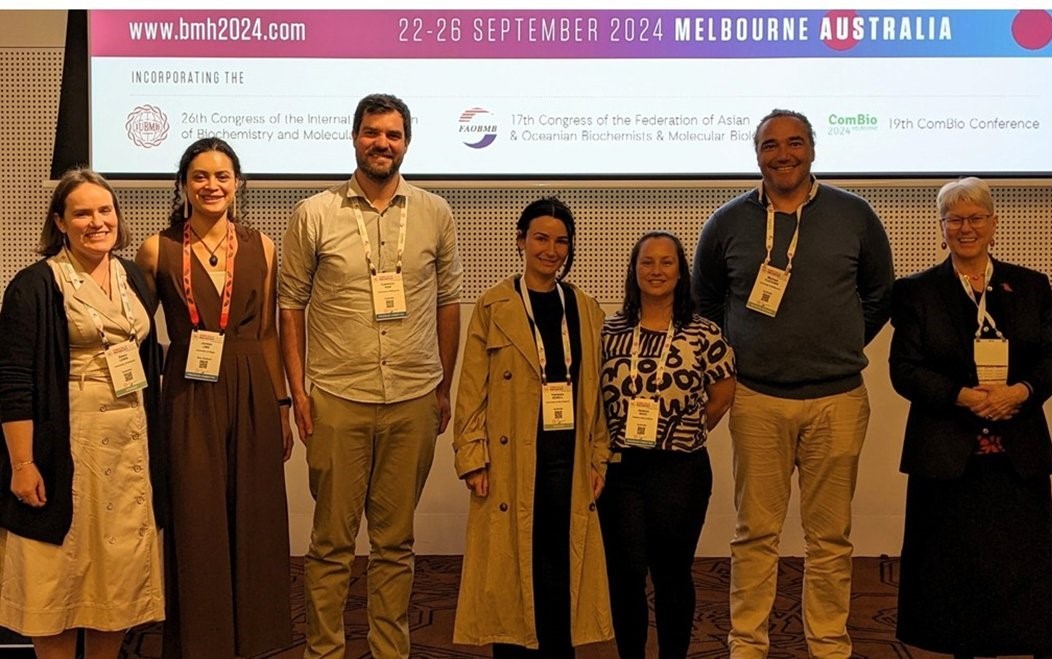
Dr Jessica Buck, a researcher at The Kids Research Institute Australia Cancer Centre and a Kamilaroi woman, is on a mission to address the unique challenges faced by Aboriginal and Torres Strait Islander children with cancer.
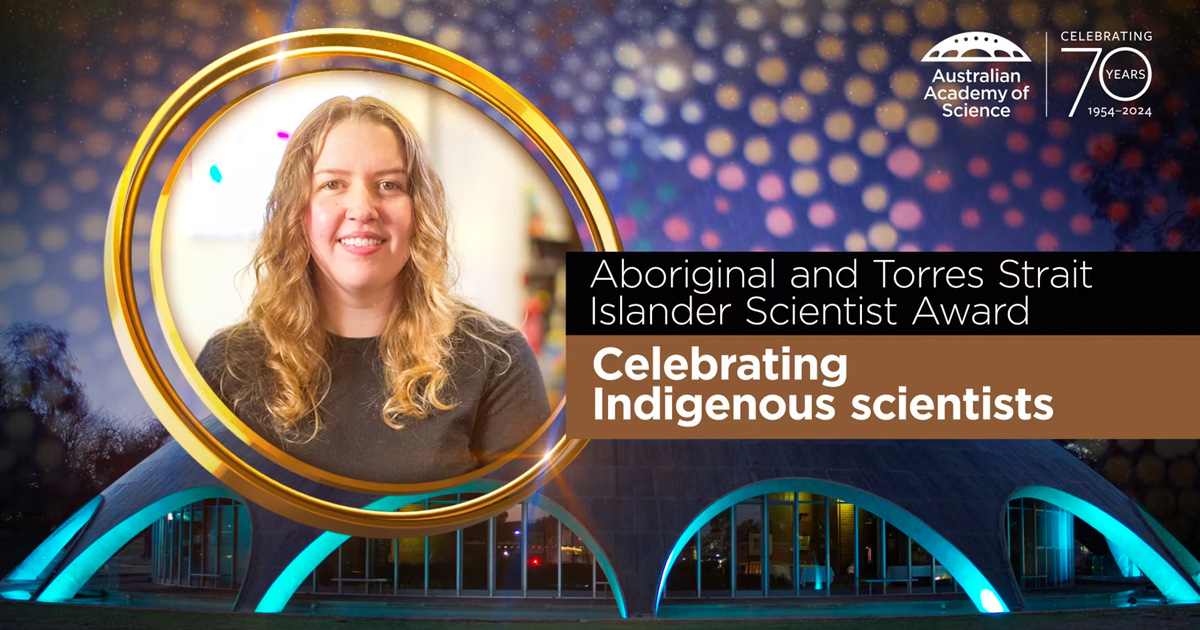
Congratulations to Indigenous genomics researcher Dr Justine Clark, who is one of two scientists nationally to receive the Australian Academy of Science’s 2024 Aboriginal and Torres Strait Islander Science Award.
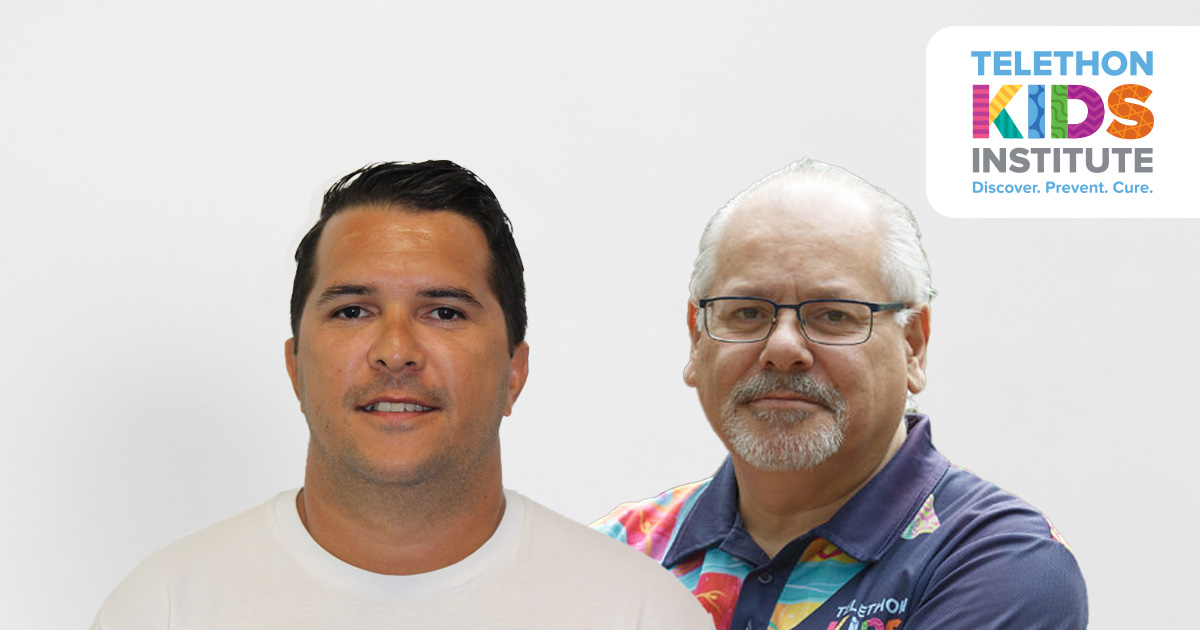
The Kids Research Institute Australia has welcomed the establishment of an expert committee to guide decision-making around Aboriginal health and medical research in Western Australia.
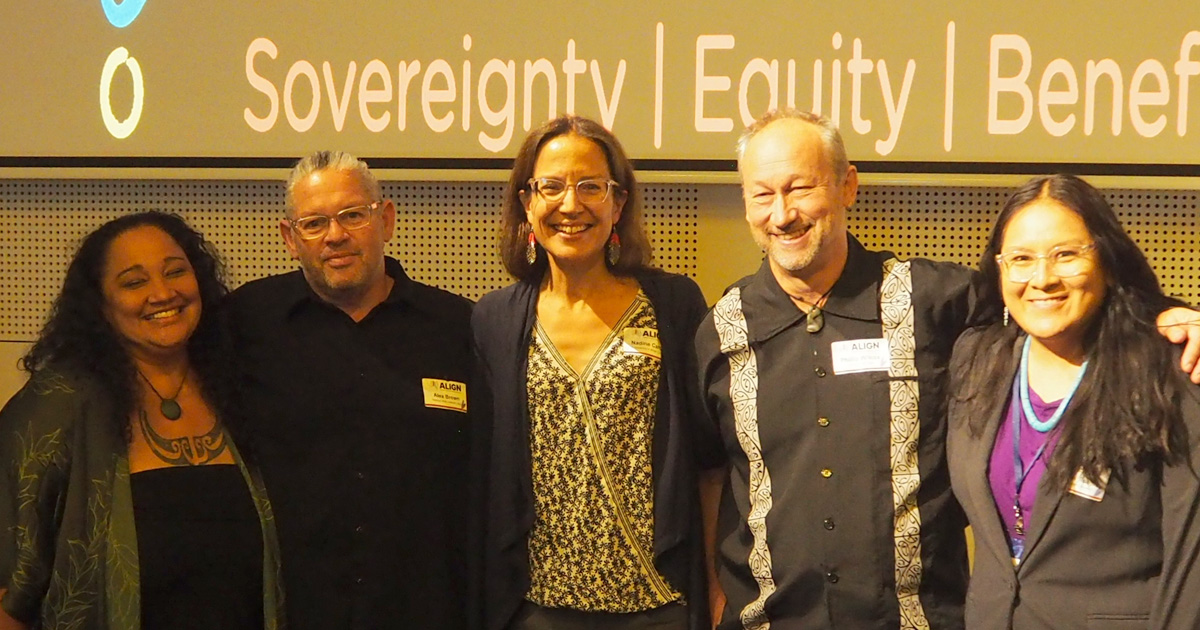
A national alliance of the brightest minds in genomic science, academia, policy makers, industry and Indigenous leaders will work to break down barriers to ensure Aboriginal and Torres Strait Islander people can benefit from advances in genomic medicine if they choose.
The Kids Research Institute Australia gives its full support for a First Nations Voice to Parliament to be enshrined in Australia’s constitution.
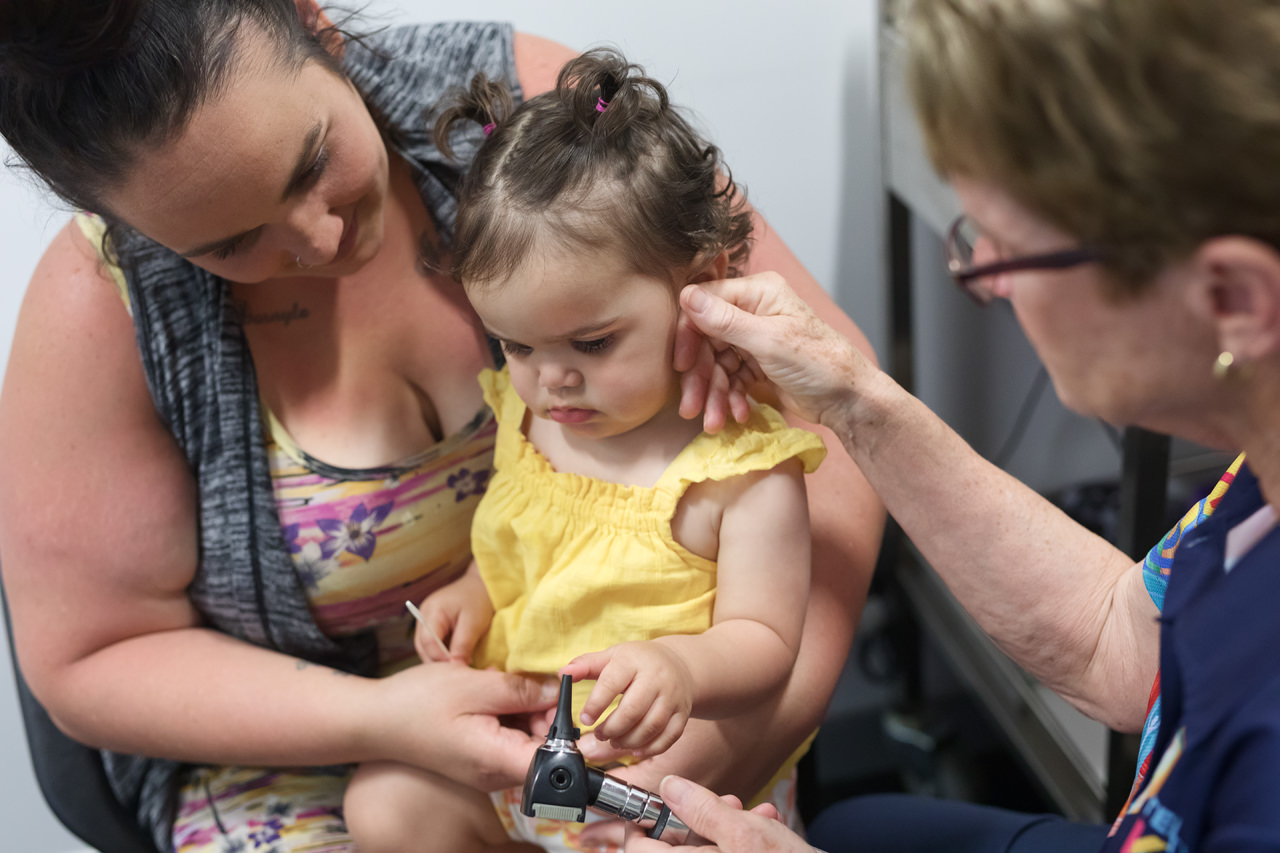
Researchers from The Kids Research Institute Australia have been awarded a $1.1 million NHMRC ‘Targeted Call for Hearing Health’ grant to conduct the first ever study following Aboriginal babies from birth through to five years to uncover the true prevalence of middle ear infections and hearing loss.
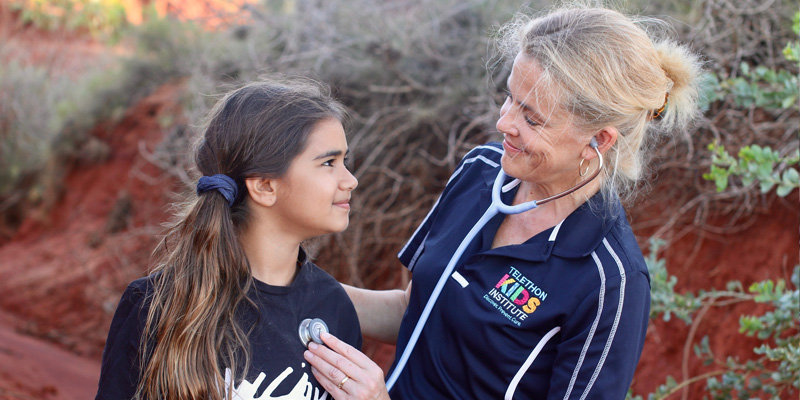
Almost one in five children across four remote Kimberley communities has some form of chronic lung disease, according to a new study co-designed and conducted in partnership with Aboriginal communities.
The project will focus on improving cultural safety in mental health services for Aboriginal and Torres Strait Islander children and young people.