
Search
Peri-operative respiratory adverse events remain a major cause of morbidity and mortality in children undergoing general anaesthesia; those with asthma are at higher risk. The aim of this feasibility study was to determine whether pre-operative measurements of fractional exhaled nitric oxide and the forced oscillation technique are feasible in children, and to explore whether these measurements can predict peri-operative respiratory adverse events.
This narrative review article summarises the current evidence on environmental exposures before surgery. There is emerging evidence suggesting that environmental exposures before surgery, namely exposure to air pollution and allergenic pollen, may significantly influence the risk of these events occurring.
Lidocaine is widely used in pediatric anesthesia for airway topicalization to modulate undesirable airway and circulatory reflexes, yet its effectiveness remains unclear. Therefore, we aimed to perform a meta-analysis evaluating the impact of topical lidocaine on respiratory adverse events in children undergoing airway management.
Although clinical trials are fundamental to advancing evidence-based practice, significant heterogeneity in outcome reporting poses a considerable challenge to the validity of systematic reviews. This inconsistency impedes the ability to compare, synthesise and interpret research findings effectively. In the field of paediatric airway management, this issue is particularly relevant because of the low incidence of critical events and the related high morbidity and mortality. The issue of inadequate and variable outcome reporting in clinical trials has been widely acknowledged, necessitating initiatives to enhance the quality of future research.
The administration of inhaled antibiotics to patients with upper or lower respiratory infections is sometimes conducted via a tracheostomy airway. However, precise dosing via this route remains uncertain, especially in spontaneously breathing paediatric patients.
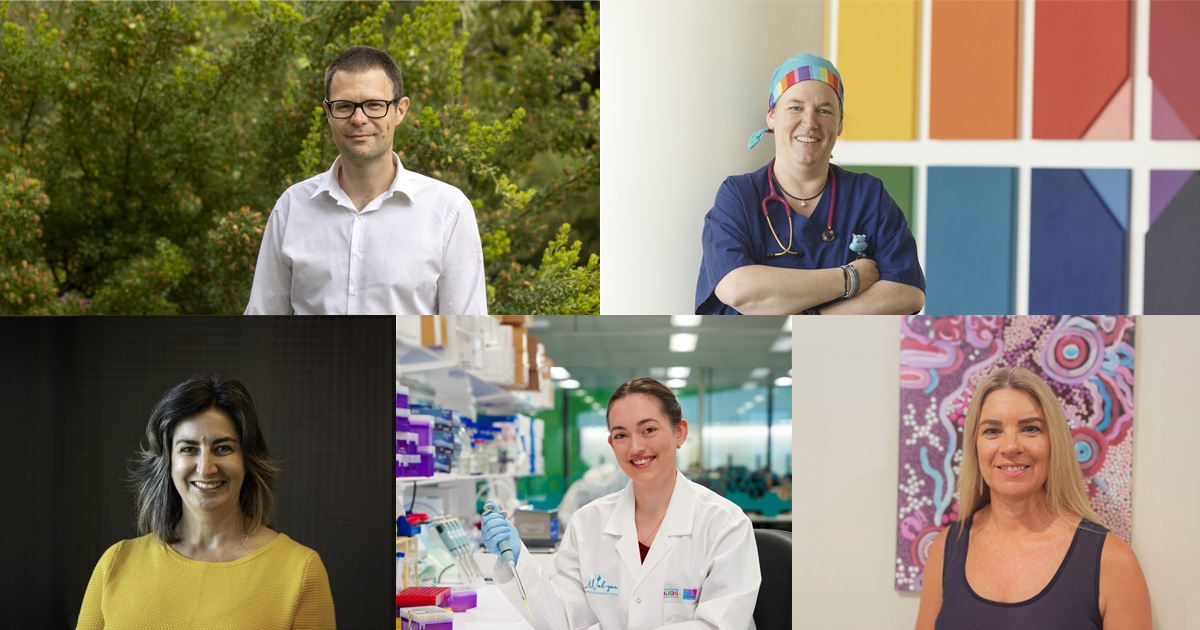
Five The Kids Research Institute Australia researchers working across diverse and highly impactful areas of child health research have been named as finalists for the 2023 Premier’s Science Awards.

The generous support of West Australians through Channel 7’s Telethon Trust will help support vital child health research at The Kids Research Institute Australia in 2023.
Inguinal hernia surgery is one of the most common electively performed surgeries in infants. The common nature of inguinal hernia combined with the high-risk population involving a predominance of preterm infants makes this a particular area of interest for those concerned with their perioperative care. Despite a large volume of literature in the area of infant inguinal hernia surgery, there remains much debate amongst anesthetists, surgeons and neonatologists regarding the optimal perioperative management of these patients.
Obstructive sleep apnea (OSA) increases the risk of perioperative adverse events in children. While polysomnography remains the reference standard for OSA diagnosis, oximetry is a valuable screening tool. The traditional practice is the manual analysis of desaturation clusters derived from a tabletop device using the McGill oximetry score. However, automated analysis of wearable oximetry data can be an alternative. This study investigated the accuracy of wrist-worn oximetry with automated analysis as a preoperative OSA screening tool.
Flucloxacillin is prescribed to treat skin infections but its highly bitter taste is poorly tolerated in children. This work describes the application of the D-optimal mixture experimental design to identify the optimal component ratio of flucloxacillin, Eudragit EPO and palmitic acid to prepare flucloxacillin taste-masked microparticles that would be stable to storage and would inhibit flucloxacillin release in the oral cavity while facilitating the total release of the flucloxacillin load in the lower gastrointestinal tract.