
Search
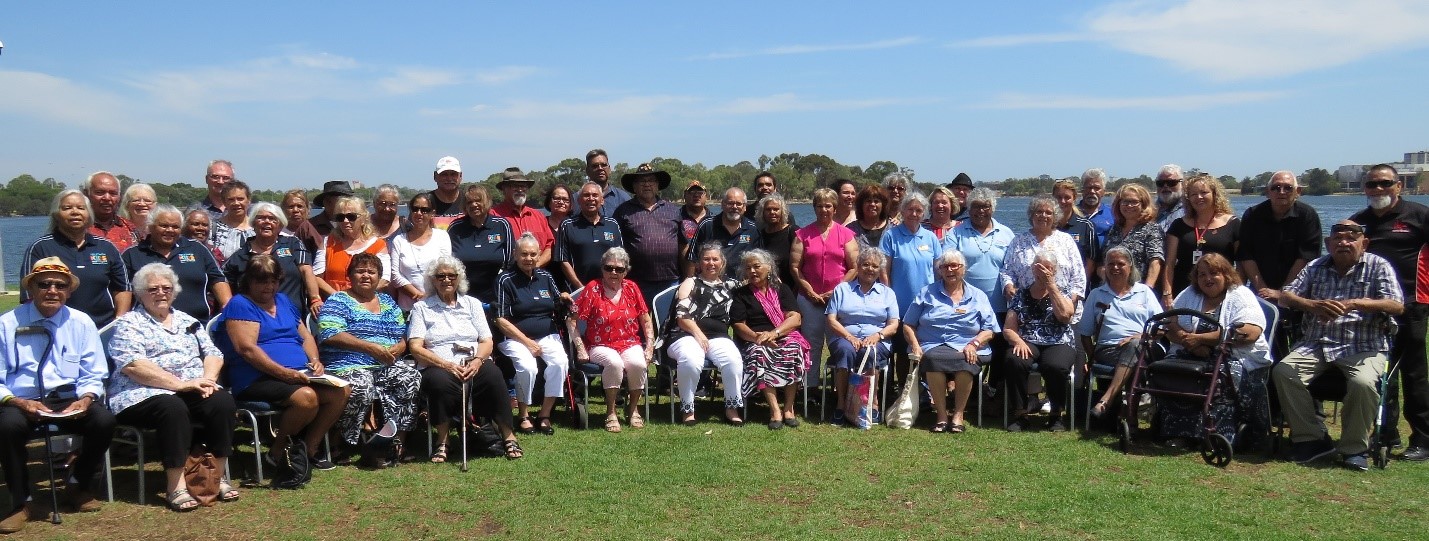
The third Big Elders meeting/gathering was held on the 26th of February 2019 at Burswood on Swan.

Director of First Nations Strategy and Leadership; Head, First Nations Health and Equity Research
Honorary Research Associate
A Network comprised of four regional sites to facilitate key medical, research and training activities undertaken in partnership with Aboriginal communities.
CREAHW is a program of intervention research focused on achieving sustainable change for the Aboriginal community & improving the lives of Aboriginal people.
Healthy Environments And Lives (HEAL) is the Australian national research network established to support improvements to health, the Australian health system, and the environment in response to the unfolding climate crisis. The HEAL Network comprises researchers, community members and organisations, policymakers, practitioners, service providers, and other stakeholders from diverse backgrounds and sectors.
Fetal alcohol spectrum disorder (FASD) is a lifelong disability of varying severity that occurs among individuals prenatally exposed to alcohol. Among Aboriginal and Torres Strait Islander (Indigenous) Australians, the effects of colonisation and ongoing racism could increase the risk of alcohol consumption during pregnancy.
Although recent studies have demonstrated associations between nonchromosomal birth defects and several pediatric cancers, less is known about their role on childhood leukemia susceptibility. Using data from the Childhood Cancer and Leukemia International Consortium, we evaluated associations between nonchromosomal birth defects and childhood leukemia.
In Australia, Aboriginal children experience disproportionate rates of type 2 diabetes (T2D) compared with non-Aboriginal children. The aim of this qualitative study was to explore the experiences of Aboriginal adolescents with T2D and their family members to better understand the influences of T2D on self-management, with findings used to inform an enhanced service model of care.
Siblings of children with intellectual disability have unique family experiences, varying by type of disability.