
Search
Showing results for " https://www.galaxus.ch/en/sector/showdiscussion/hack-someone-snap-visit-kunghaccom-j8f6qlhn-224830"
Reach works to promote the health of vulnerable populations by providing technical support to local, regional and global efforts to prevent and control rheumatic fever and rheumatic heart disease (RF/RHD).
The aim of this pilot study is to test if the CCTM approach is more effective than business as usual methods at supporting mental health consumers to reduce their tobacco dependence or quit smoking altogether.
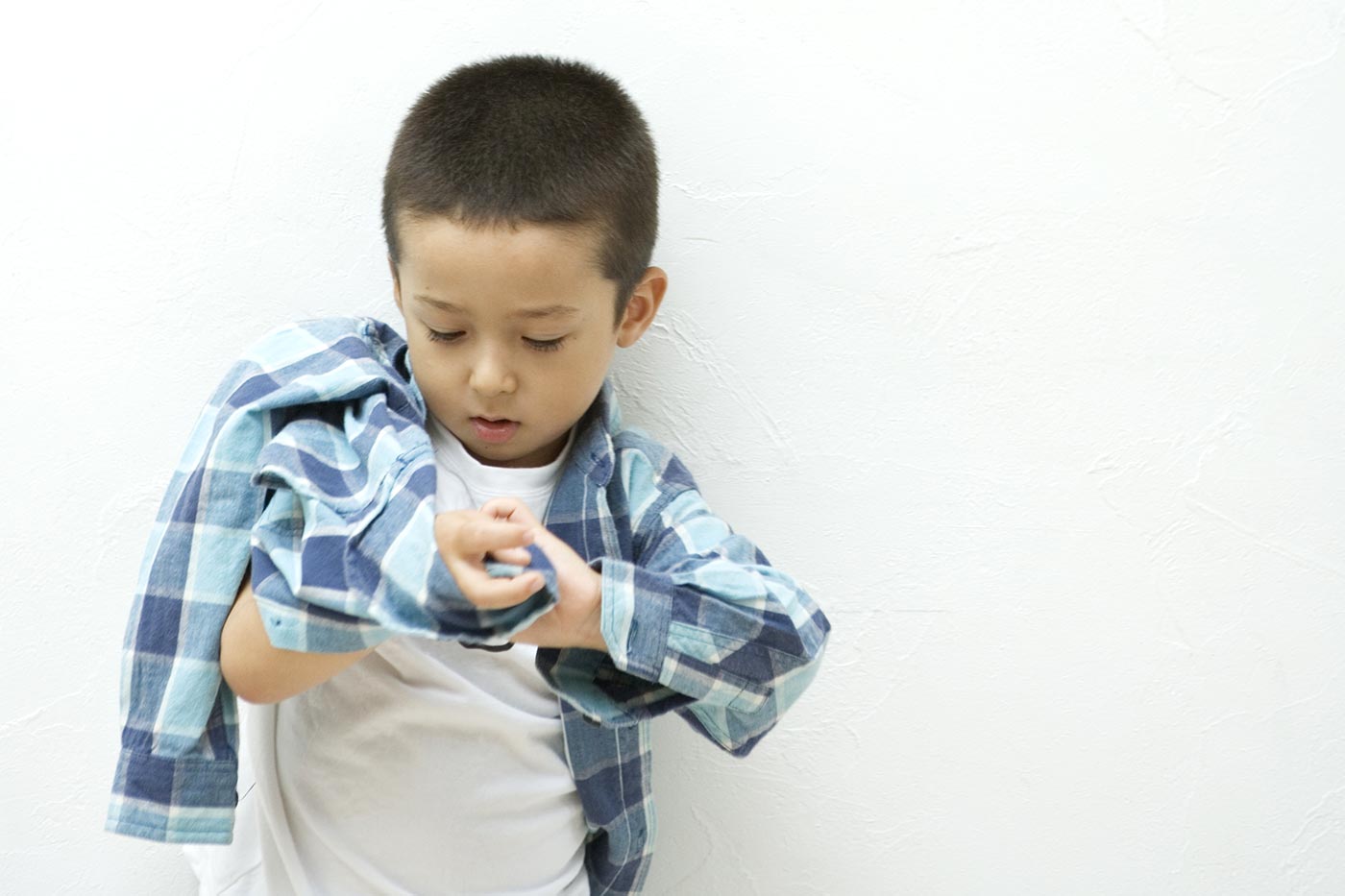
In this blog, Occupational Therapist Tarryn Culverhouse provides some tips to help your child increase their independence in dressing.
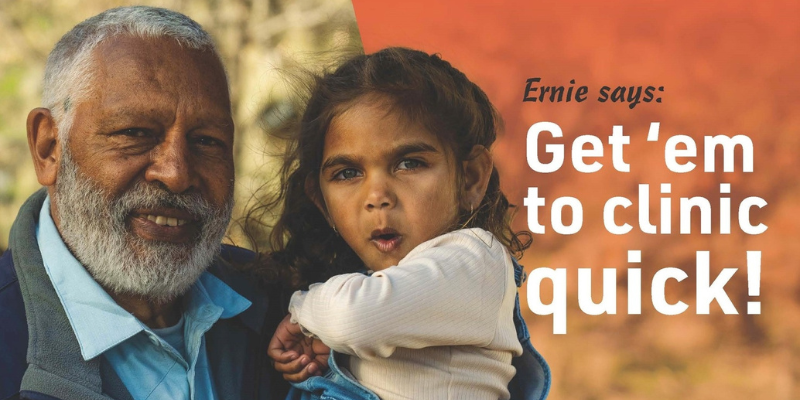
September marks the three-month milestone of an intensive health promotion campaign in the East Kimberley region, which aims to raise awareness of the dangers of a chronic wet cough in Aboriginal children.
Technology-based interventions may provide a relatively low-cost addition to existing therapist-delivered interventions for children with ASD
The proportion of children and adolescents in Australia with mental disorders who used services for emotional and behavioural problems
We are grateful to our many generous friends who support the Institute through philanthropy.
Debbie Susan Palmer Prescott BSc BND PhD MBBS BMedSci PhD FRACP Head, Nutrition in Early Life Honorary Research Fellow debbie.palmer@uwa.edu.au
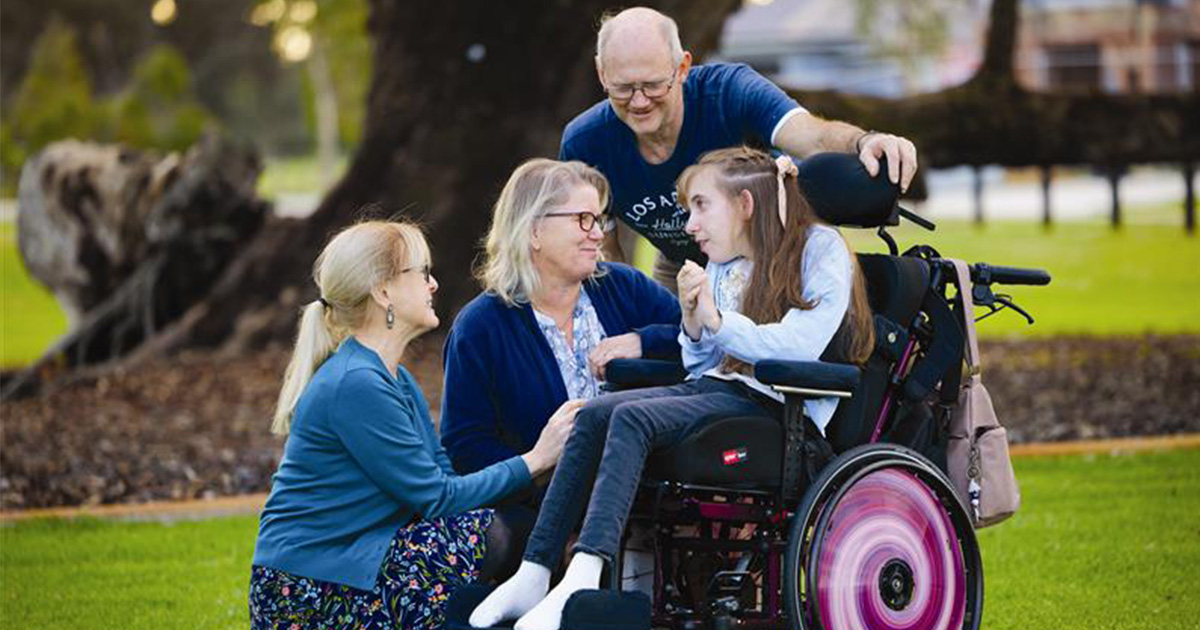
Affecting approximately 400 people in Australia, Rett syndrome is a rare neurological disorder that occurs almost exclusively in girls and affects mobility and development, impacting everything from walking and talking to eating and breathing.
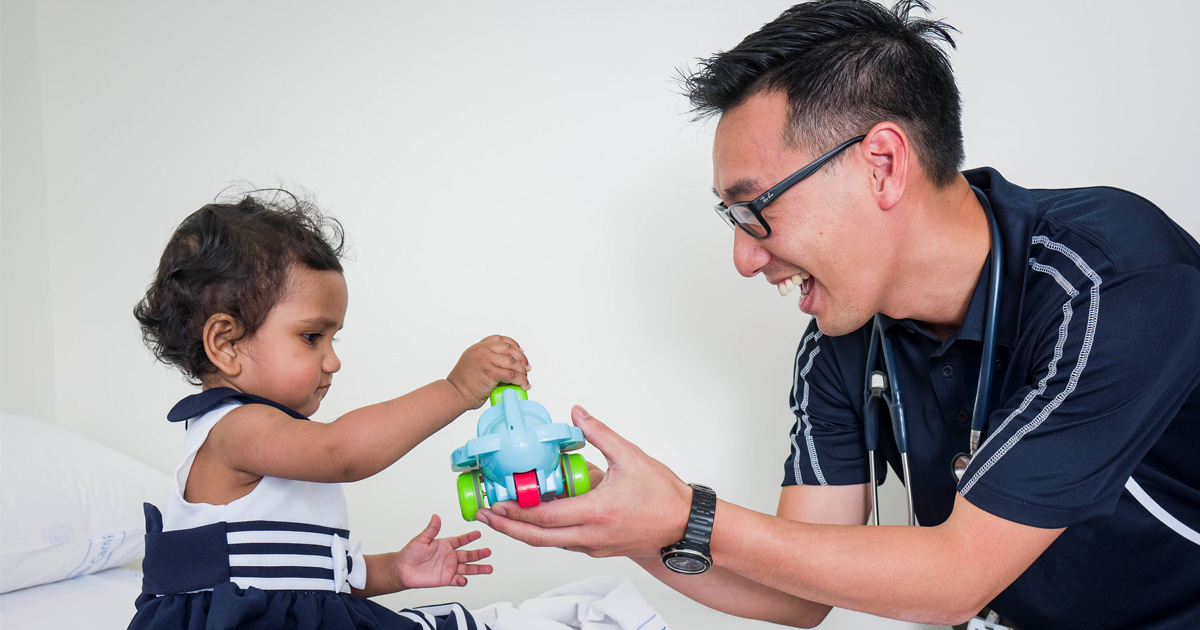
A third of Western Australian one-year-olds and up to two thirds of three-year-olds have low iron, a study by The Kids Research Institute Australia has found.