Search
The burden of bronchiectasis is disproportionately high in Aboriginal adults, with early mortality. Bronchiectasis precursors, that is, protracted bacterial bronchitis and chronic suppurative lung disease, often commence in early childhood.
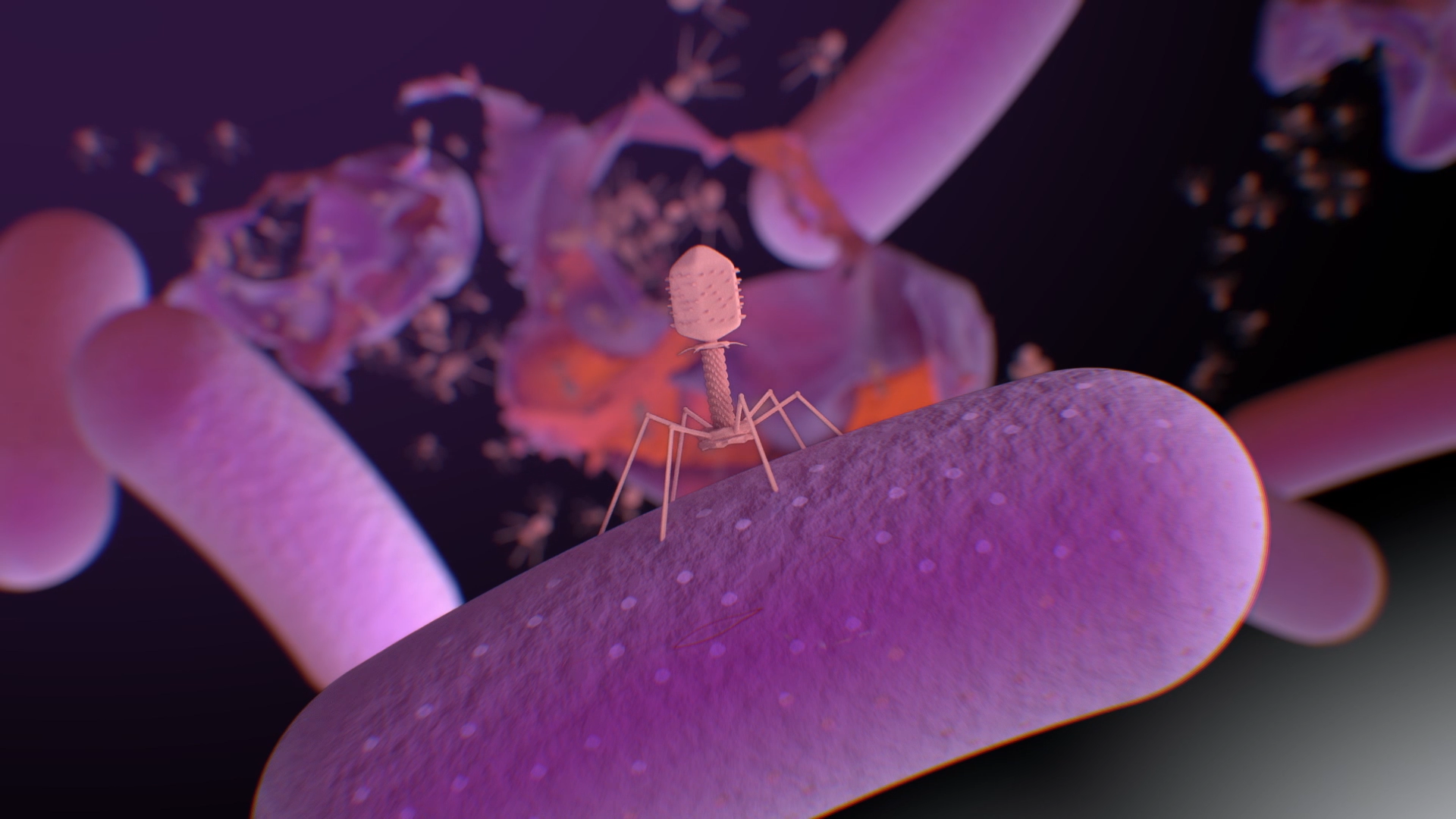
We identified a double-stranded DNA (dsDNA) bacteriophage appearing to belong to Herelleviridae, genus Kayvirus. The bacteriophage, Biyabeda-mokiny 1, was isolated from breast milk using a clinical isolate of Staphylococcus aureus.
In children, chronic wet cough may be a sign of underlying lung disease, including protracted bacterial bronchitis (PBB) and bronchiectasis. Chronic (> 4 weeks in duration) wet cough (without indicators pointing to alternative causes) that responds to antibiotic treatment is diagnostic of PBB. Timely recognition and management of PBB can prevent disease progression to irreversible bronchiectasis with lifelong consequences. However, detection and management require timely health-seeking by carers and effective management by clinicians.
Persistent respiratory bacterial infections are a clinical burden in several chronic inflammatory airway diseases and are often associated with neutrophil infiltration into the lungs. Following recruitment, dysregulated neutrophil effector functions such as increased granule release and formation of neutrophil extracellular traps (NETs) result in damage to airway tissue, contributing to the progression of lung disease.
There has been renewed interest in the therapeutic use of bacteriophages (phages); however, standardised therapeutic protocols are lacking, and there is a paucity of rigorous clinical trial data assessing efficacy.
To address climate change concerns, and reduce the carbon footprint caused by fossil fuel use, it is likely that blend ratios of renewable biodiesel with commercial mineral diesel fuel will steadily increase, resulting in biodiesel use becoming more widespread.
Despite advances in asthma therapeutics, the burden remains highest in preschool children; therefore, it is critical to identify primary care tools that distinguish preschool children at high risk for burdensome disease for further evaluation.
Structural lung disease and neutrophil-dominated airway inflammation is present from 3 months of age in children diagnosed with cystic fibrosis after newborn screening. We hypothesised that azithromycin, given three times weekly to infants with cystic fibrosis from diagnosis until age 36 months, would reduce the extent of structural lung disease as captured on chest CT scans.
Children typically experience more mild symptoms of Coronavirus Disease 2019 (COVID-19) when compared to adults. There is a strong body of evidence that children are also less susceptible to Severe Acute Respiratory Syndrome Coronavirus 2 (SARS-CoV-2) infection with the ancestral viral isolate.
Macrophages are the major resident immune cells in human airways coordinating responses to infection and injury. In cystic fibrosis, neutrophils are recruited to the airways shortly after birth, and actively exocytose damaging enzymes prior to chronic infection, suggesting a potential defect in macrophage immunomodulatory function.