
Search
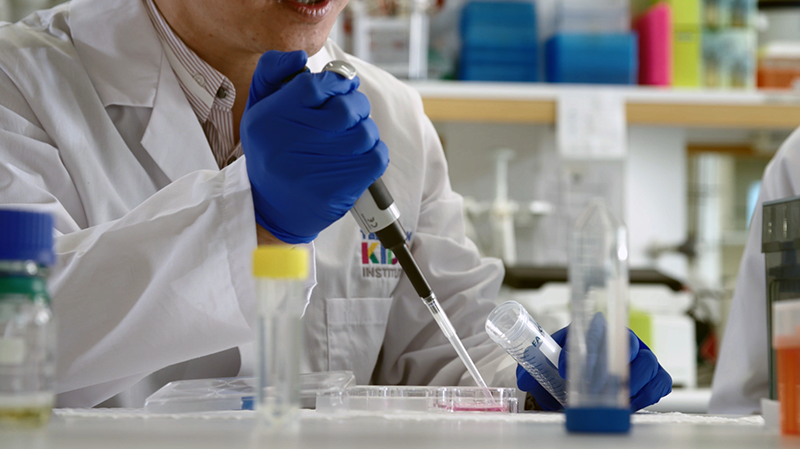
The Kids researchers will use nearly $8.5 million awarded by the National Health and Medical Research Council (NHMRC) to tackle health issues including respiratory disease, brain cancer, vaccination and Aboriginal health.
A new report that suggests strong connection to culture can help protect Aboriginal & Torres Strait Islander children from sexual abuse in institutions.
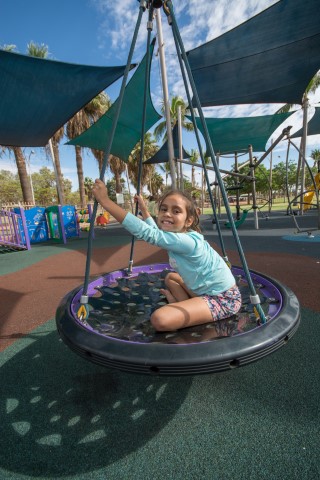
Researchers from The Kids Research Institute Australia are running a school program designed to help children adjust their levels of alertness and attention in class.
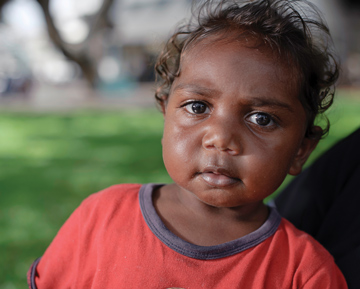
In 2016, with enabling donations from Denby Roberts, Stan Perron, Wesfarmers and Centurion, the Institute established a permanent presence in the Kimberley.
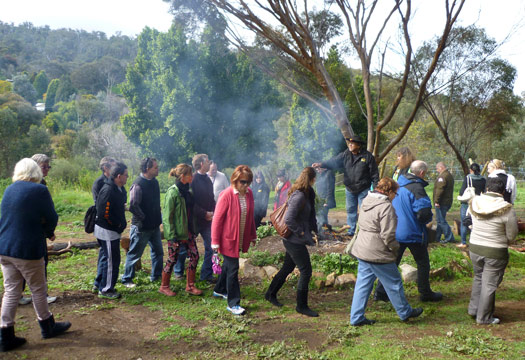
Dr Michael Wright remembers the 'aha' moment while working with distressed Nyoongar families to identify what was limiting engagement with services.
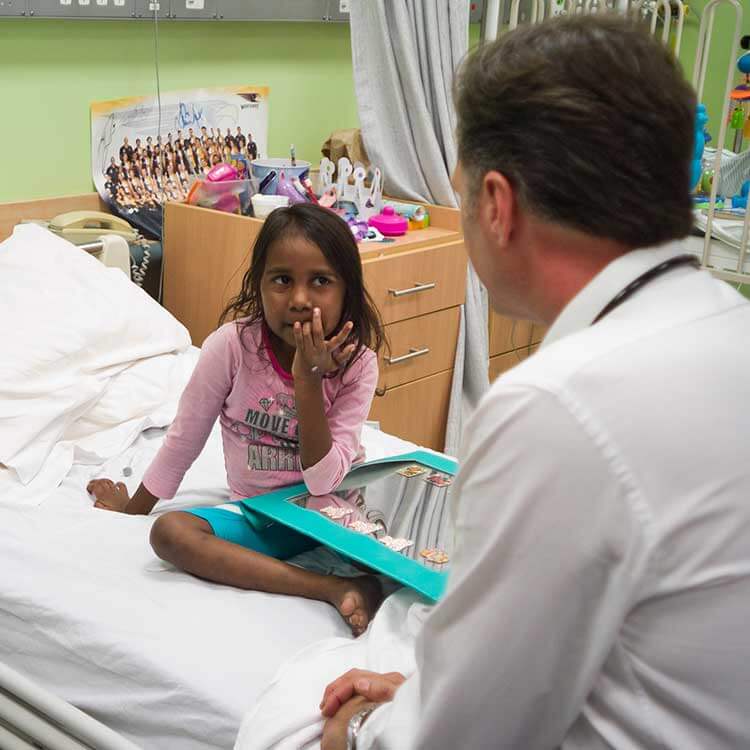
Some of the nation’s leading medical researchers will converge on Darwin this week to step out a plan to wipe out rheumatic heart disease.
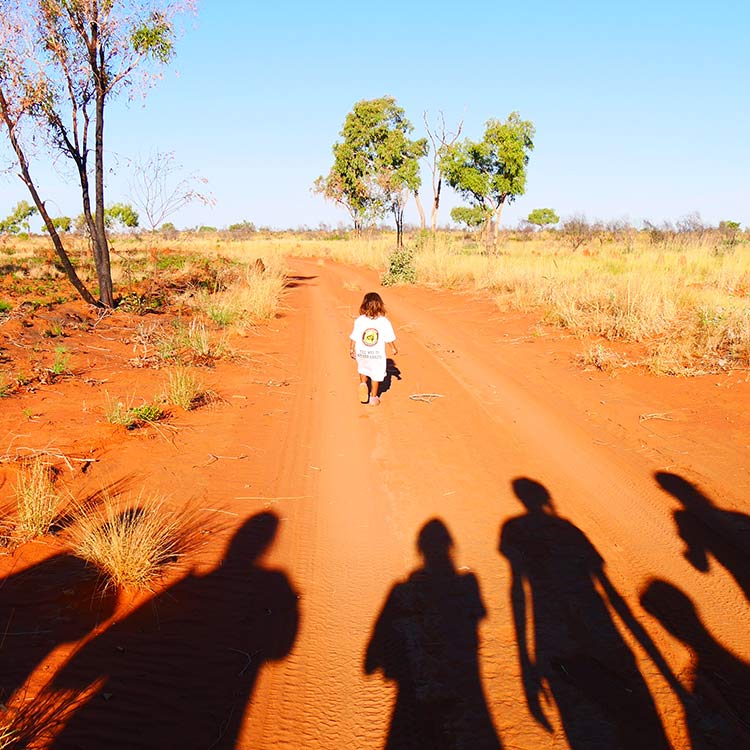
The Kids has recruited Dr Timothy Barnett to embark on a Fellowship to help close gaps in health outcomes between Indigenous and non-indigenous kids
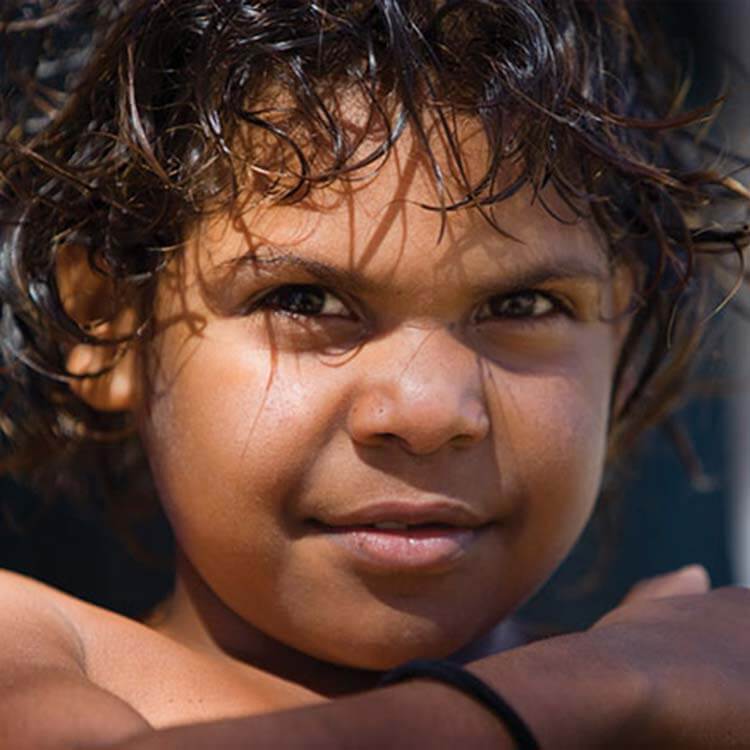
Thanks to a $1 million funding grant, Dr Asha Bowen from The Kids Research Institute Australia is on track to change Aboriginal children's skin infection statistics.
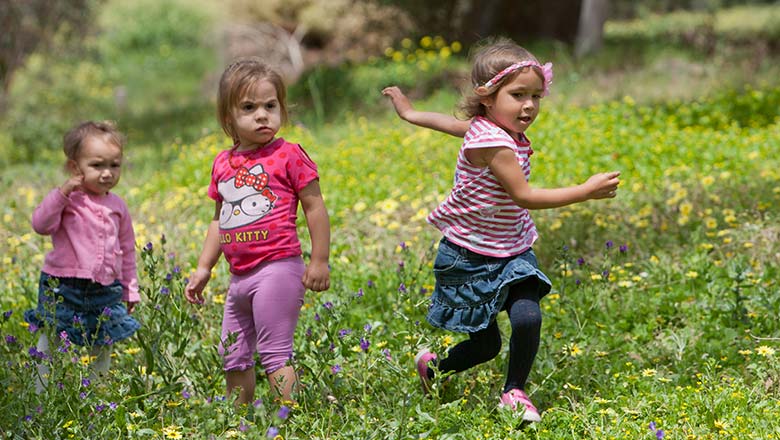
10 years of work guided by The Kids Research Institute Australia has resulted in huge improvements in the development of Aboriginal children at the start of school.
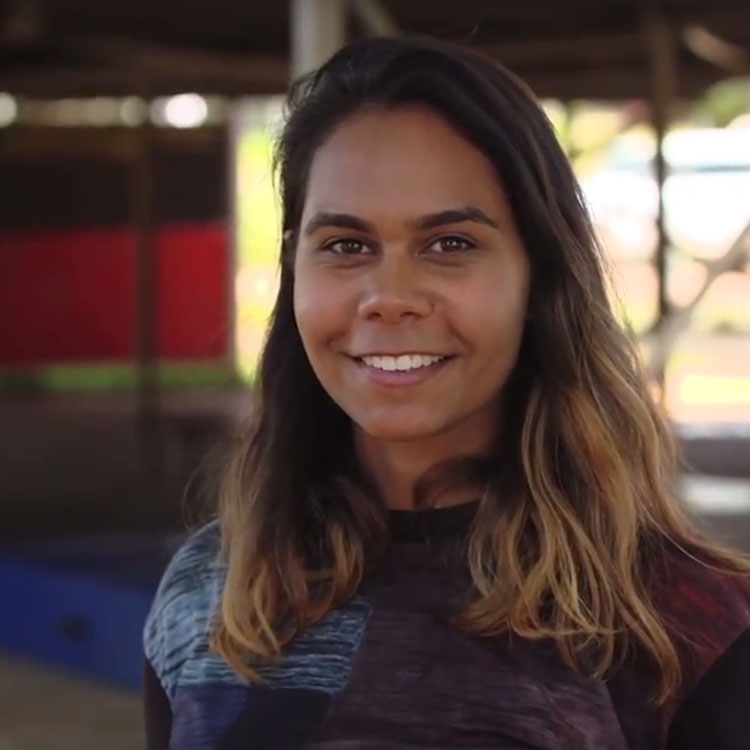
Vinka Barunga has made history by becoming the first Aboriginal doctor from Derby and she's also added The Kids researcher to her list of achievements.