
Search
Showing results for " unicc料站, 【访问 Amsiga.com】oJM3t5i, CVV通道, CVV刷货论坛, 同步鱼 urLR"
Asha Brad Glenn Jonathan Marianne Tim Bowen Farrant Pearson Carapetis AM Mullane Barnett BA MBBS DCH FRACP PhD GAICD FAHMS OAM BSc (Hons), PhD BA (
ARC is a global network of collaborators committed to reducing the burden of RHD in our lifetime.
Described antimicrobial resistance mechanisms enable bacteria to avoid the direct effects of antibiotics and can be monitored by in vitro susceptibility testing and genetic methods. Here we describe a mechanism of sulfamethoxazole resistance that requires a host metabolite for activity.
Indigenous children in colonised nations experience high rates of health disparities linked to historical trauma resulting from displacement and dispossession, as well as ongoing systemic racism. Skin infections and their complications are one such health inequity, with the highest global burden described in remote-living Australian Aboriginal and/or Torres Strait Islander (hereafter respectfully referred to as Aboriginal) children. Yet despite increasing urbanisation, little is known about the skin infection burden for urban-living Aboriginal children.
Pharyngitis, more commonly known as sore throat, is caused by viral and/or bacterial infections. Group A Streptococcus (Strep A) is the most common bacterial cause of pharyngitis. Strep A pharyngitis is an acute, self-limiting disease but if undertreated can lead to suppurative complications, nonsuppurative poststreptococcal immune-mediated diseases, and toxigenic presentations.
Recent interest in the diverse ecosystem of bacteria, fungi and viruses that make up the skin microbiome has led to numerous studies investigating the skin microbiome in healthy skin and in dermatological conditions. However, skin microbiome analysis is challenging due to relatively low numbers of skin microorganisms compared to mucosal sites, such as the respiratory or gastrointestinal tracts. Microbiome results are heavily influenced by sampling methods.
Food allergies have become more common in our community, with up to one in ten young children now affected. Reactions can range from mild hives to life threatening anaphylaxis and breathing difficulties. The most common food allergies are to egg, peanut, tree nuts, cow’s milk, fish, shellfish, sesame, wheat and soy.
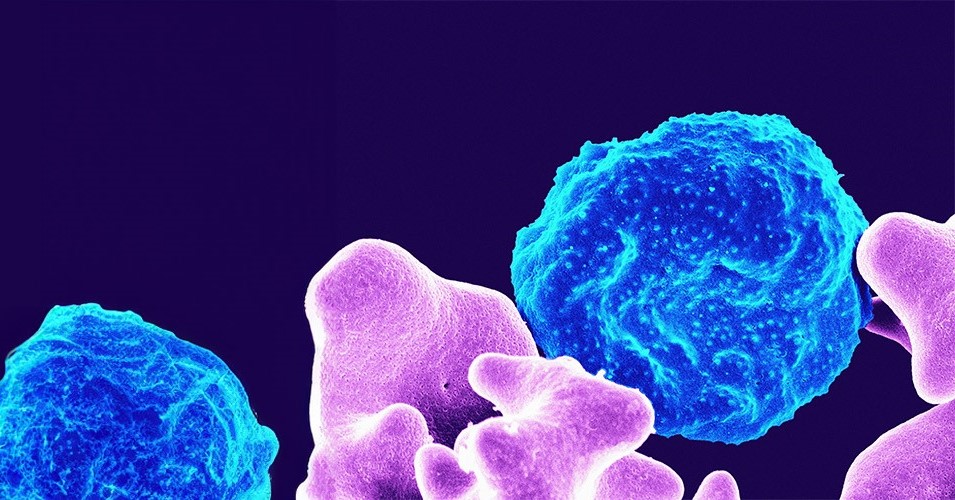
We help shape how the world responds to infectious diseases: guiding vaccine and treatment development, and advising on public health measures to control and eliminate disease. Our mathematical models capture how diseases spread, how severe infections are, and how childhood exposure shapes health across a lifetime.

ORIGINS has a large number of sub-projects exploring the link between a mother's diet during pregnancy and health outcomes of the child. Projects also explore nutrition and eating habits during the early years as well as general gut health
Streptococcus pyogenes (also known as group A Streptococcus , Strep A) is an obligate human pathogen with significant global morbidity and mortality. Transmission is believed to occur primarily between individuals via respiratory droplets, but knowledge about other potential sources of transmission via aerosols or the environment is limited. Such knowledge is required to design optimal interventions to control transmission, particularly in endemic settings.