Skip to content

Search

Perceived stigma and self-stigma in young people at ultra-high risk for psychosis: Associations with identity-related, psychological and functional outcomes

Perceived stigma and self-stigma negatively affect identity-related, psychological and functional outcomes among stigmatised populations. There is limited research exploring the impact of stigma among young people at ultra-high risk (UHR) for psychosis. We investigated the association of perceived stigma and self-stigma with these outcomes in young people at UHR.

“Society really does not like people with psychosis”: A thematic analysis of the stigma and self-stigma experiences of young people at-risk for psychosis

Stigma and self-stigma reduce self-esteem and increase hopelessness and suicidality. While psychotic disorders are widely recognized as the most stigmatizing of all mental health disorders, there is a dearth of research investigating how stigma and self-stigma are experienced by young people at ultra-high risk (UHR) for psychosis.

Understanding Disclosure Decisions in Parents of Children with Attention Deficit/Hyperactivity Disorder

Parents of children with attention-deficit/hyperactivity disorder (ADHD) often make disclosure decisions about their child's ADHD on their behalf. While disclosure can facilitate access to support, it risks stigma. Despite ADHD being one of the most common neurodevelopmental conditions, little is known about parent's experiences in relating information about their child's ADHD diagnosis or medication use, to others.

Ensuring That Marginalized Young People Feel Welcome, Understood, and Empowered in Health Services: A Qualitative Examination of the Service Needs of Aboriginal LGBTQA+ Young People

A lack of appropriate care and discrimination in healthcare settings likely compounds the existing risks to mental health and well-being for Aboriginal and Torres Strait Islander lesbian, gay, bisexual, trans, queer/questioning, and asexual (LGBTQA+) young people. The current study contributes findings from Aboriginal LGBTQA+ young people's perspectives on their health service needs and preferences.

Characterising symptomatic substates in individuals on the psychosis continuum: a hidden Markov modelling approach

To improve early intervention and personalise treatment for individuals early on the psychosis continuum, a greater understanding of symptom dynamics is required. We address this by identifying and evaluating the movement between empirically derived attenuated psychotic symptomatic substates-clusters of symptoms that occur within individuals over time.

Eating and exercise experiences of Australian trans and gender diverse folks: lived experience and stakeholder perspectives

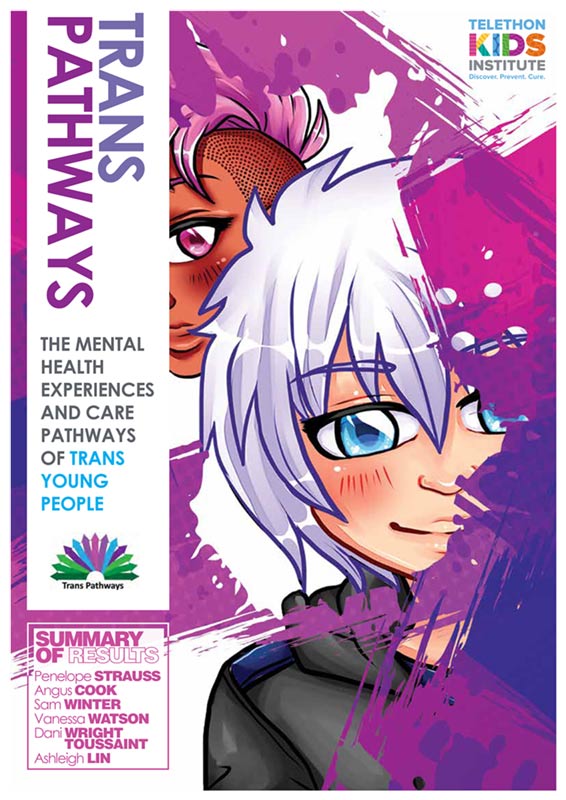
Trans individuals face elevated health risks and socio-environmental challenges, influencing their engagement in health-protective behaviors (e.g. exercise and nutrition). Despite these challenges, there is a significant gap in understanding the specific eating and exercise experiences of Australian trans adults, including barriers to healthy behaviors and healthcare experiences. This study aims to address this gap by exploring these experiences, informing targeted interventions and healthcare practices to improve health outcomes.

"I just get scared it's going to happen again": a qualitative study of the psychosocial impact of pediatric burns from the child's perspective

Advances in medicine have improved the chances of survival following burn injuries, however, psychosocial outcomes have not seen the same improvement, and burn injuries can be distressing for both the child or young person, negatively affecting their wellbeing. Pediatric burn patients are at a higher risk of developing psychopathology compared to the general population.

“It's a big trauma for the family”: A qualitative insight into the psychological trauma of paediatric burns from the perspective of mothers

Despite the medical and surgical improvements of paediatric burn injuries, burn injuries can be a painful and traumatic experience for the child and their family. It is therefore important to explore the experiences of caregivers who support their child throughout the burn journey. Thus, the purpose of this study was to explore the traumatic nature of paediatric burns on the family from a caregiver's perspective.

Do parent-reported early indicators predict later developmental language disorder? A Raine Study investigation

Developmental language disorder (DLD) is one of the most common neurodevelopmental conditions. Due to variable rates of language growth in children under 5 years, the early identification of children with DLD is challenging. Early indicators are often outlined by speech pathology regulatory bodies and other developmental services as evidence to empower caregivers in the early identification of DLD.

Western Australia remote aeromedical substance use disorders outcomes

Substance use disorders (SUDs) cause significant harm to regional Australians, who are more likely to misuse alcohol and other drugs (AODs) and encounter difficulty in accessing treatment services. The primary aims of this study were to describe the demographics of patients aeromedically retrieved from regional locations and compare hospital outcomes with a metropolitan-based cohort.