
Search
Showing results for " unicc料站, 【访问 Amsiga.com】oJM3t5i, CVV通道, CVV刷货论坛, 同步鱼 urLR"
Streptococcus pyogenes (also known as group A Streptococcus , Strep A) is an obligate human pathogen with significant global morbidity and mortality. Transmission is believed to occur primarily between individuals via respiratory droplets, but knowledge about other potential sources of transmission via aerosols or the environment is limited. Such knowledge is required to design optimal interventions to control transmission, particularly in endemic settings.
Invasive group A streptococcal (Strep A) infections occur when Streptococcus pyogenes, also known as beta-hemolytic group A Streptococcus, invades a normally sterile site in the body. This article provides guidelines for establishing surveillance for invasive Strep A infections. The primary objective of invasive Strep A surveillance is to monitor trends in rates of infection and determine the demographic and clinical characteristics of patients with laboratory-confirmed invasive Strep A infection, the age- and sex-specific incidence in the population of a defined geographic area, trends in risk factors, and the mortality rates and rates of nonfatal sequelae caused by invasive Strep A infections.
Controlled human infection (CHI) models can provide insights into transmission of pathogens such as Streptococcus pyogenes (Strep A). As part of the Controlled Human Infection with Penicillin for Streptococcus pyogenes (CHIPS) trial, we explored the potential for transmission among participants deliberately infected with the Strep A emm75 strain.
Impetigo is a highly contagious bacterial infection of the superficial layer of skin. Impetigo is caused by group A Streptococcus (Strep A) and Staphylococcus aureus, alone or in combination, with the former predominating in many tropical climates. Strep A impetigo occurs mainly in early childhood, and the burden varies worldwide. It is an acute, self-limited disease, but many children experience frequent recurrences that make it a chronic illness in some endemic settings.
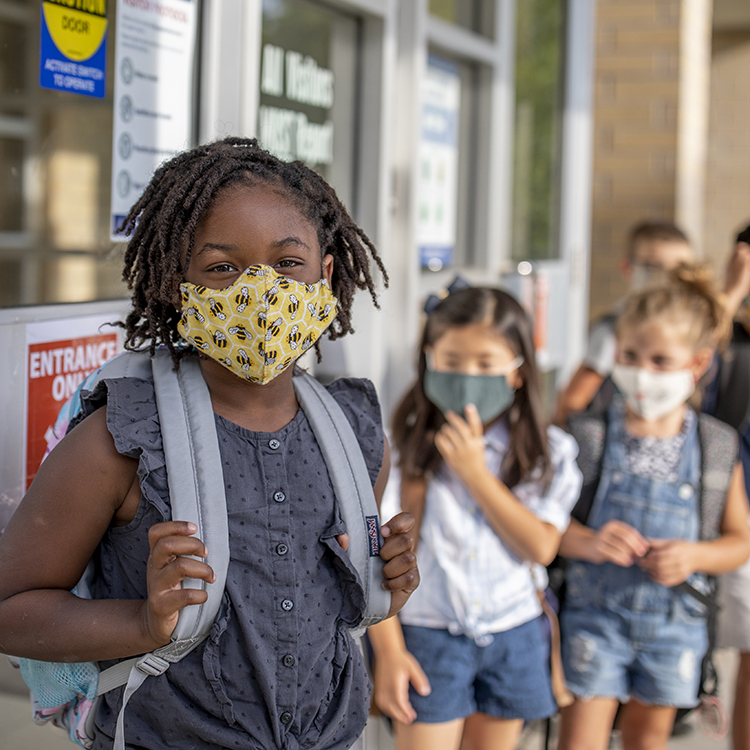
While COVID-19 is new and frightening, these resources are designed to help families tackle the challenges this virus has created for us.
Publications, papers and findings coming out of ORIGINS and its sub-projects

Our Child Health Analytics Team uses cutting-edge technologies to better understand how and why the health and wellbeing of children varies from place to place. We develop innovative geospatial methods that can harness large, complex datasets to pinpoint hotspots of elevated risk, evaluate change through time, and explore underlying drivers.
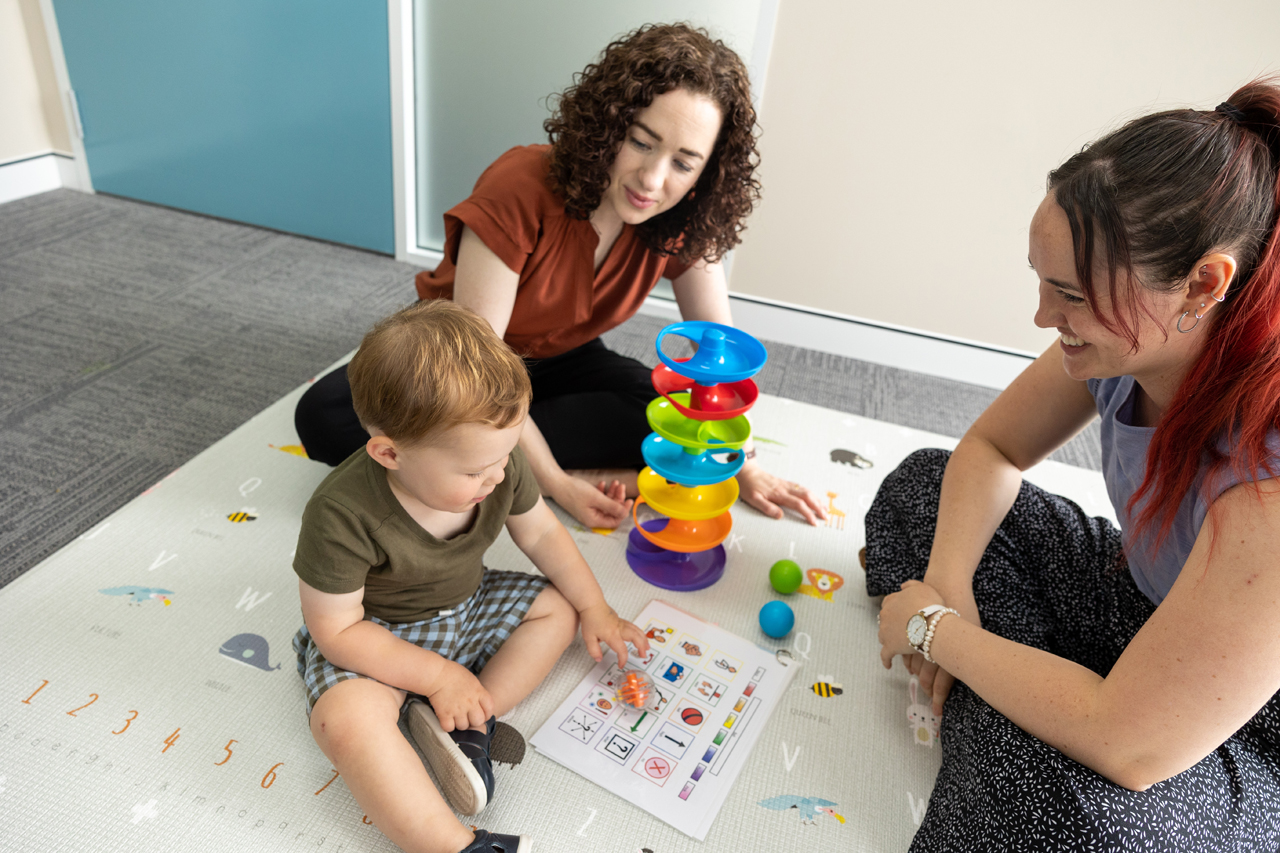
This series aims to provide some practical and evidence-based ideas to support your child and family.
The science that interprets the way nutrients and other substances in food affect maintenance, growth, reproduction, health and disease.
These project websites display extended detailed information about specific research areas.