
Search
Young people must be central to health response design to ensure they are relevant and effective. It requires a clearer understanding of the opportunities and expectations surrounding youth engagement. Therefore, this study aims to gain a deeper understanding of the health priorities of young adults residing in South Australia and their engagement in the design of health programmes.
First Nations women in Australia continue to experience disproportionately adverse maternal and infant outcomes. The ongoing legacy of colonisation and systemic racism shapes these outcomes. In the Australian Capital Territory (ACT), maternity services remain dominated by Western biomedical approaches that fail to deliver culturally safe and anti-racist care despite national standards that mandate such practices.
Intrauterine growth restriction (IUGR) increases risk of developing respiratory diseases such as asthma later in life. This study aims to characterize the effects of maternal hypoxia-induced IUGR on the lung proteome and identify key altered pathways relevant to asthma development in male and female adult offspring.
Group A Streptococcal (GAS) pharyngitis is an important precursor infection to severe complications including rheumatic fever and invasive GAS. Rapid molecular point of care testing (POCT) for GAS infection has advantages over traditional microbiological culture, especially in settings with limited or absent laboratory infrastructure and where GAS complications predominate.
Prebiotic dietary supplementation has been shown to improve glucose homeostasis in type 2 diabetes patients. The aim of this analysis was to determine whether pre-pregnancy body mass index (BMI) modifies the effect of prebiotic supplementation from mid-pregnancy on reducing the risk of gestational diabetes mellitus
Allogeneic hematopoietic stem cell transplant (HSCT) is a proven curative therapy for children with high-risk myeloid malignancies. Disease relapse, transplant-related mortality and graft versus host disease (GvHD) are the main causes of treatment failure and death post-transplant. The optimum pretransplant conditioning regimen is yet to be defined. There is limited data regarding the use of busulfan, fludarabine and melphalan as a myeloablative conditioning regimen in children receiving HSCT for myeloid malignancies.
Read about the management staff of the Children's Diabetes Centre, Dr Charles Czank and Nirubasini Paramalingam.
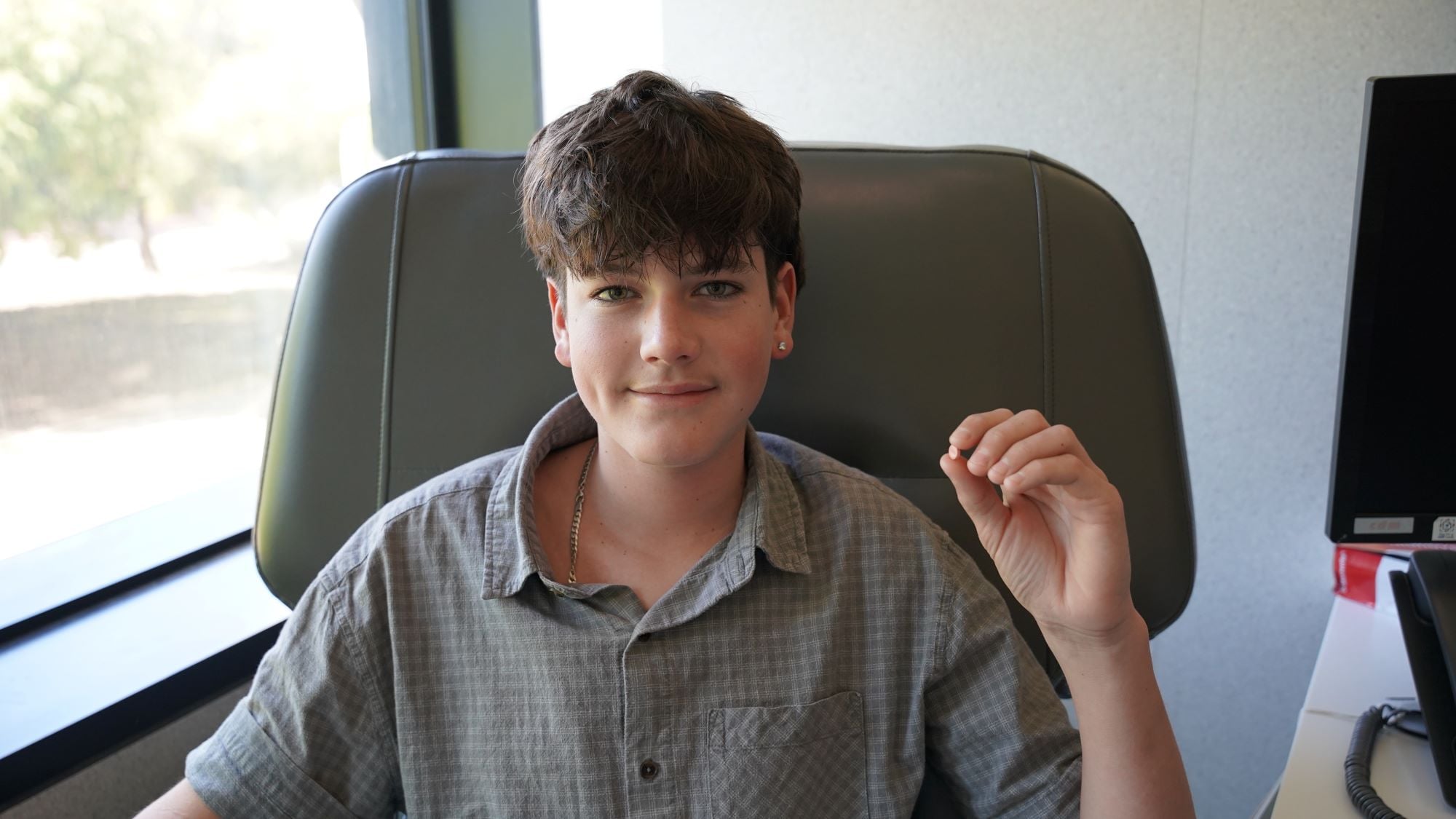
To celebrate International Clinical Trials Day, we are highlighting some of the current trials underway at the Children's Diabetes Centre at the Kids Research Institute Australia and Perth Children's Hospital and thanking all the diabetes community who have said yes to diabetes research.
It’s hard to believe that the DiabHQ app has been available to WA families living with T1D for over 6 months already! Since the launch in November, 2025, the DiabHQ team have been adding new features and making the app even better.

We’re looking for more community members to help with our exciting next phase of the DiabHQ mobile app