
Search
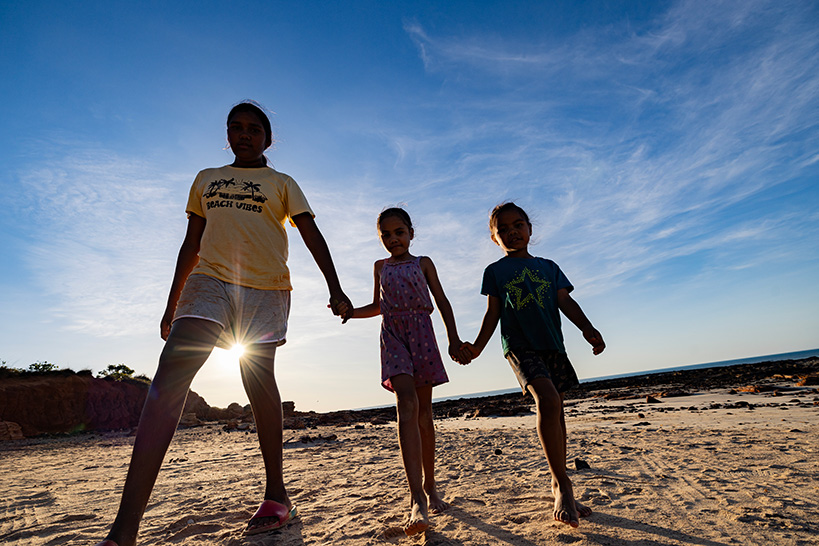
Aboriginal health is everyone's business. The needs of Aboriginal and Torres Strait Islander families and kids is integrated into all relevant areas of our work. Improving the health and wellbeing of Aboriginal and Torres Strait Islander kids and families is an overarching priority for every team at The Kids.
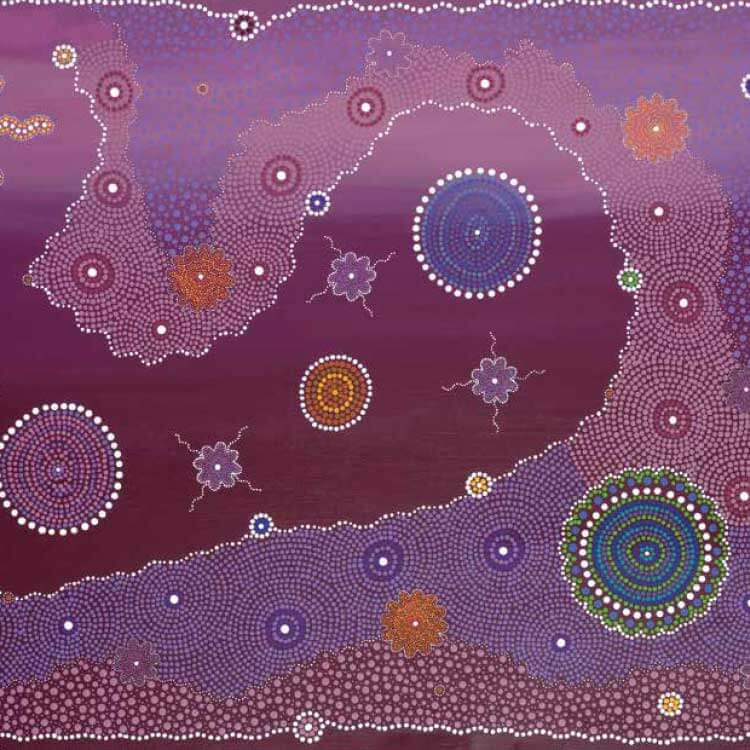
This 2nd edition is intended for staff and students and all health practitioners working in areas that support Indigenous mental health and wellbeing.
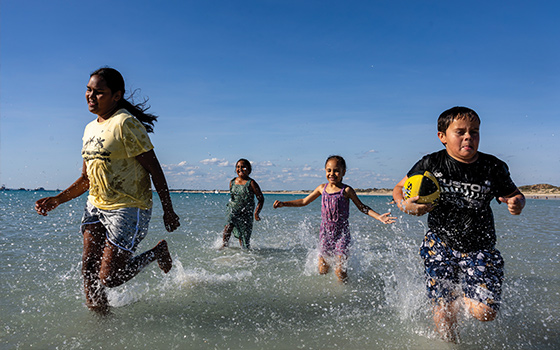
WAACHS was the largest and most comprehensive survey ever undertaken into the health, wellbeing & development of WA Aboriginal and Torres Strait Islander kids
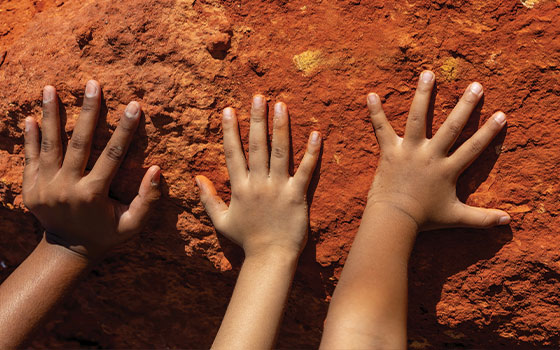
Facilitate research interest & opportunities that involve Aboriginal families & communities and build the capacity and development of Institute researchers
Strengthening the capacity of Aboriginal children, families and communities
This resource kit for Aboriginal health workers is an exciting milestone in the Rio Tinto Aboriginal Health partnership with The Kids Research Institute Australia
As part of the discussions with Kimberley Aboriginal Medical Service (KAMS) to establish the Broome site of the WAAHKN it has been agreed to establish...
The early years are critical for lifelong wellbeing, with transition to formal school a key period for development. For Indigenous children, this transition provides opportunities to build on cultural strengths and belonging. However, many children face systemic barriers that impact their transition experiences, highlighting a need for culturally safe programs that support Indigenous families during this significant time.
We aimed to synthesise global prevalence estimates of type 2 diabetes among Indigenous youth aged under 25 years, and examine age- and gender-specific differences and secular trends.
Inadequate housing and living conditions underpin significant health and wellbeing inequality in Australia, particularly for Indigenous people. This review aimed to define infectious disease (ID) outcomes used to measure the health impact of inadequate housing in Australia within a research context.