
Search
This project forms a program of modelling to inform the Gate's Foundation’s malaria product development portfolio, otherwise known as the Integrated Portfolio Management (IPM) project.
At the American Society of Tropical Medicine and Hygiene (ASTMH) Annual Meetings in 2024 and 2025, our team convened stakeholder engagement sessions on next-generation malaria vaccines.
This project consists of two linked research programs, working to support malaria control and elimination using OpenMalaria: our in-house, open-source, malaria simulation tool.
Strep A causes a huge global burden of disease, from sore throats to rheumatic heart disease. Our team is developing a computer simulation model, OpenStrepA, to help researchers tackle this disease.
In this project, our team provides malaria vaccine impact predictions to inform vaccine investment strategies for Gavi, the Vaccine Alliance, and their partners.
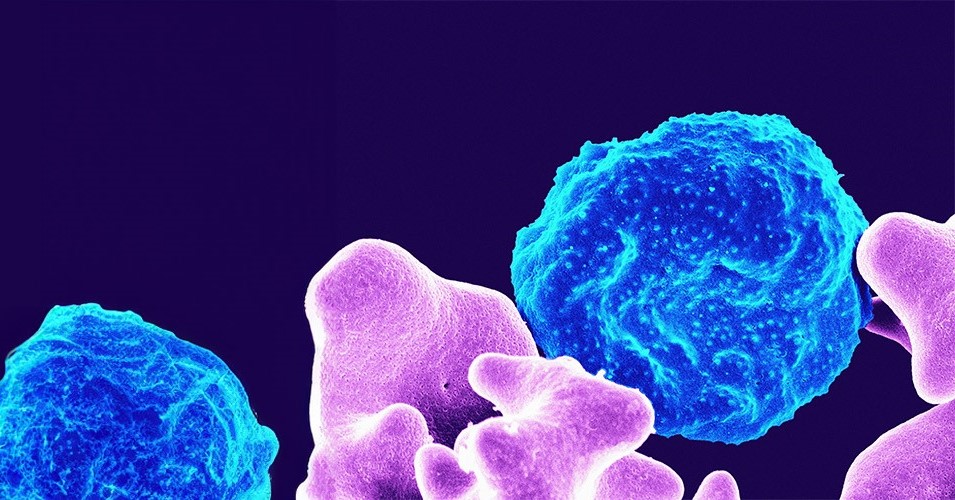
We help shape how the world responds to infectious diseases: guiding vaccine and treatment development, and advising on public health measures to control and eliminate disease. Our mathematical models capture how diseases spread, how severe infections are, and how childhood exposure shapes health across a lifetime.

Julian is the Program Manager for the Global Disease Modelling team at The Kids Research Institute Australia.

Epke is a veterinarian that specializes in infectious disease control, and holds a PhD in human neglected tropical disease (NTD) control and elimination.
Immunomodulatory proteins in human milk (HM) can shape infant immune development. However, strategies to modulate their levels are currently unknown. This study investigated whether maternal prebiotic supplementation alters the levels of immunomodulatory proteins in HM.
Since its inception in 2005, the US President's Malaria Initiative (PMI) has played a major role in the reductions in malaria morbidity and mortality observed across Africa. With the status of PMI funding and operations currently uncertain, we aimed to quantify the impact that a fully functioning PMI would have on malaria cases and deaths in Africa during 2025.