
Search
Natural Language Sampling (NLS) offers clear potential for communication and language assessment, where other data might be difficult to interpret. We leveraged existing primary data for 18-month-olds showing early signs of autism, to examine the reliability and concurrent construct validity of NLS-derived measures coded from video-of child language, parent linguistic input, and dyadic balance of communicative interaction-against standardised assessment scores. Using Systematic Analysis of Language Transcripts (SALT) software and coding conventions, masked coders achieved good-to-excellent inter-rater agreement across all measures.
Our previous cross-sectional investigation (Chetcuti et al., 2020) showed that infants with autism traits could be divided into distinct subgroups based on temperament. This longitudinal study builds on this existing work by exploring the continuity of temperament subgroup classifications and their associations with behavioral/clinical phenotypic features from infancy to toddlerhood.
The growing global prevalence of autism spectrum disorder is associated with increasing costs for support services. Ascertaining the effects of a successful preemptive intervention for infants showing early behavioral signs of autism on human services budgets is highly policy relevant.
A diagnosis of an autism spectrum condition (autism) provides limited information regarding an individual’s level of functioning, information key in determining support and funding needs.
To identify factors associated with quality of life (QoL) in children with intellectual disability. We aimed to identify patterns of association not observable in previous hypothesis-driven regression modelling using the same data set from a cross-sectional observational study.
Andrew Chris Gail Susan Peter Videos Whitehouse Watch and listen to Andrew Brennan-Jones Alvares Prescott Jacoby PhD PhD PhD MBBS BMedSci PhD FRACP
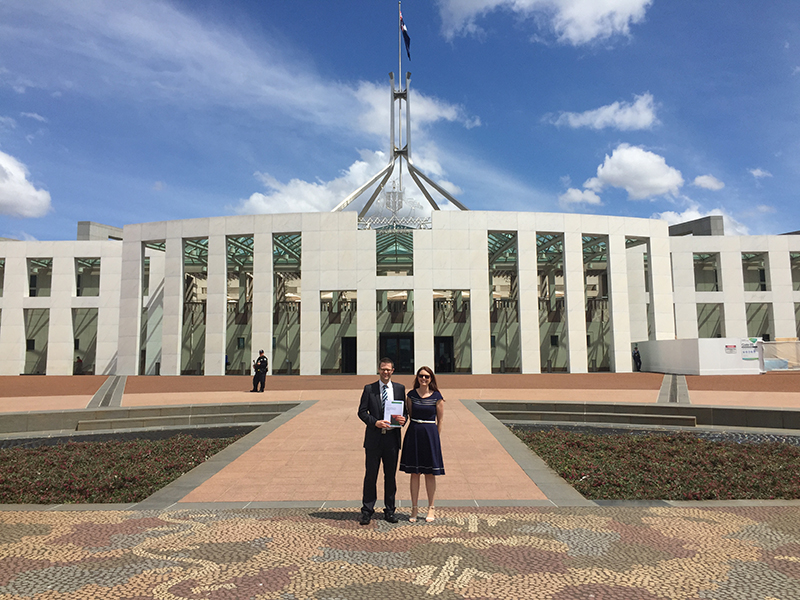
Researchers from The Kids Research Institute Australia, working with the Autism CRC, have led the development of the National Guideline for the Assessment and Diagnosis of Autism Spectrum Disorder in Australia which was launched today.
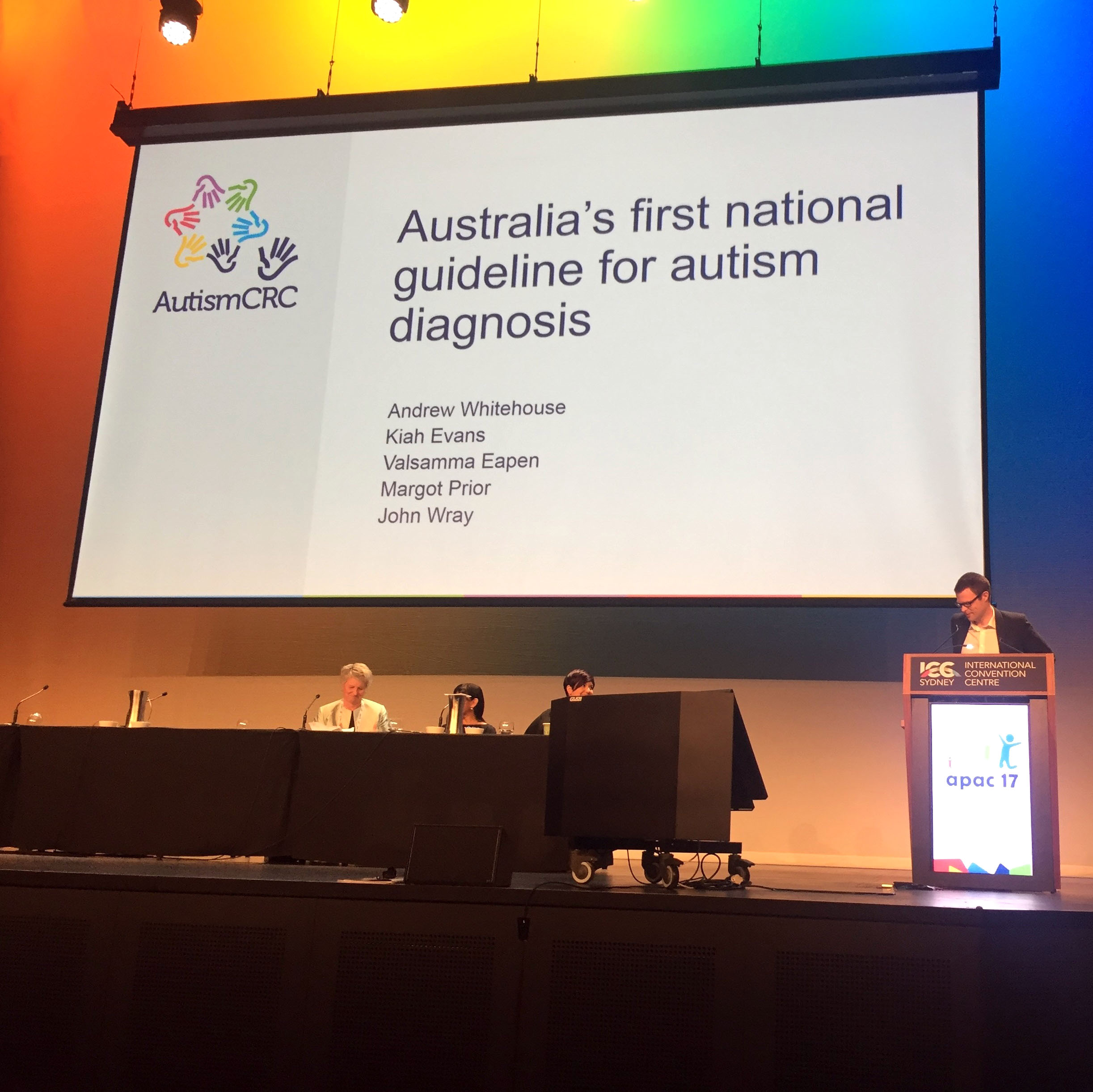
Australia’s first draft national guideline for autism diagnosis has today been released for public consultation.

Professor Andrew Whitehouse awarded the most prestigious award in the country for young researchers – the 3M Eureka Prize for Emerging Leader in Science.
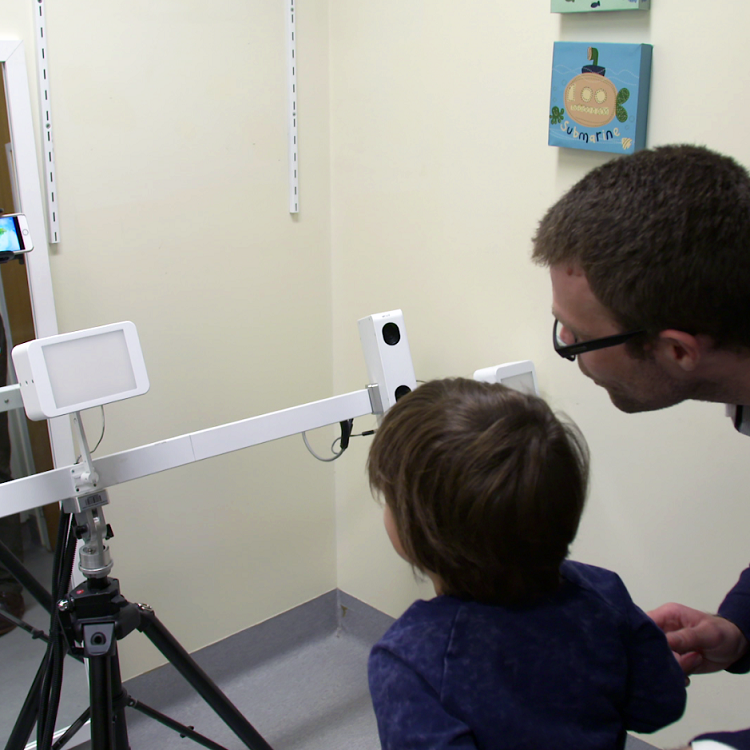
A new study led by The Kids Research Institute Australia has found a link between masculine facial features and autism.