
Search
Respiratory syncytial virus is the second most common cause of infant mortality and a major cause of morbidity and mortality in older adults (aged >60 years). Efforts to develop a respiratory syncytial virus vaccine or immunoprophylaxis remain highly active.
Shortage of ear, nose, and throat specialists in public hospitals can result in delays in the detection and management of otitis media. This study introduced a new hospital-based telehealth service, named the Ear Portal, and investigated its role in improving access to specialist care.
Pneumonia remains a leading cause of hospitalization and death among young children worldwide, and the diagnostic challenge of differentiating bacterial from non-bacterial pneumonia is the main driver of antibiotic use for treating pneumonia in children. Causal Bayesian networks (BNs) serve as powerful tools for this problem as they provide clear maps of probabilistic relationships between variables and produce results in an explainable way by incorporating both domain expert knowledge and numerical data.
Australian Aboriginal and/or Torres Strait Islander children in rural/remote areas suffer high rates of persistent otitis media (OM) from early infancy. We aimed to determine the proportion of Aboriginal infants living in an urban area who have OM and investigate associated risk factors.

In 2017, a steep rise in cases of meningococcal disease caused by the W strain sparked a wave of concern for parents in Western Australia.

New mothers in Perth are teaming up with researchers at The Kids Research Institute Australia in a global bid to develop the first vaccine to prevent Respiratory Syncytial Virus (RSV) disease.
Chris Jennifer Lea-Ann Peter Ruth Brennan-Jones Kent Kirkham Richmond Thornton PhD RN PhD MBBS MRCP(UK) FRACP PhD Head, Ear and Hearing Health

Centre Head, Wesfarmers Centre of Vaccines and Infectious Diseases; Honorary and NHMRC Career Development Fellow, Paediatric Infectious Diseases Physician and Clinical Microbiologist

Clinical Research Manager
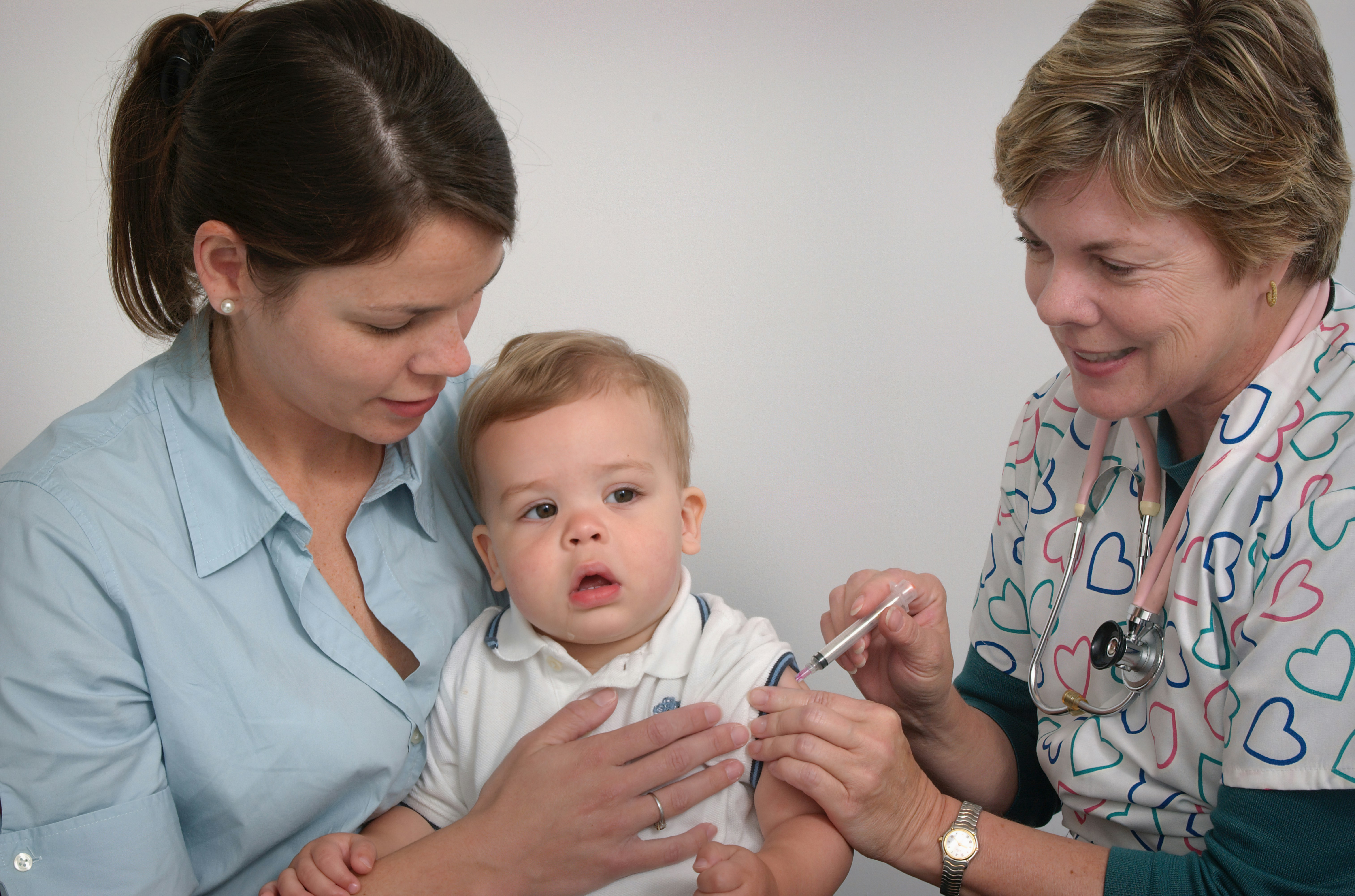
Researchers at The Kids Research Institute Australia have helped map the global impact of life saving vaccines to mark the 50-year anniversary of the Expanded Programme on Immunisation (EPI).