
Search
The nasal epithelium is the primary point of contact for inhaled respiratory viruses such as rhinovirus, respiratory syncytial virus, influenza, and coronavirus, among others. In order to establish infection, these viruses must engage their respective receptors located on host epithelial cells and begin replication.
Despite the volume of accumulating knowledge from prospective Aboriginal cohort studies, longitudinal data describing developmental trajectories in health and well-being is limited.
People living with rare diseases had a high risk of negative health outcomes due to COVID-19. Pandemic preparedness will ensure best practice procedures and optimal outcomes during future pandemic events. This paper sought to understand the needs of children with rare diseases during the COVID-19 pandemic to inform preparation for future pandemic and disaster events. First, impacts and outcomes from the COVID-19 pandemic on people living with rare disease were identified in the literature.
Despite a high burden of respiratory disease among infants globally, limited options exist for lung function testing in this age group. Tidal breathing techniques such as oscillometry allow for understanding the pathophysiology of diseases that originate early in life, thus providing the opportunity to develop timely prevention and treatment strategies.
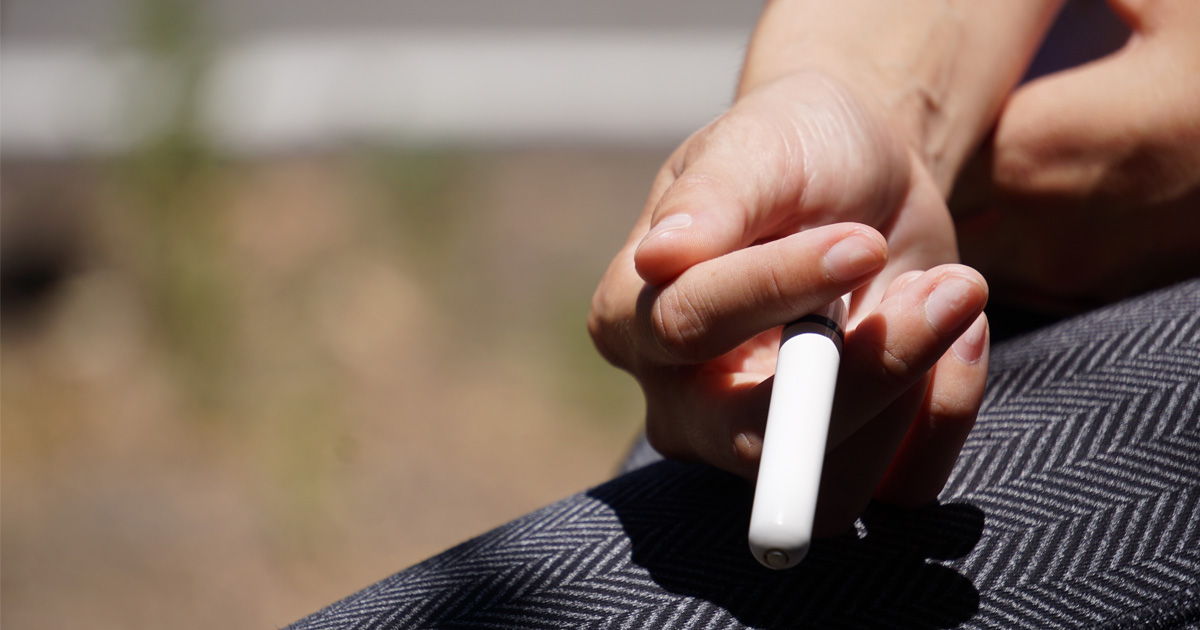
The Kids Research Institute Australia strongly supports the Federal Government’s announcement today to introduce a suite of reforms aimed at banning non-prescription vaping products in Australia.
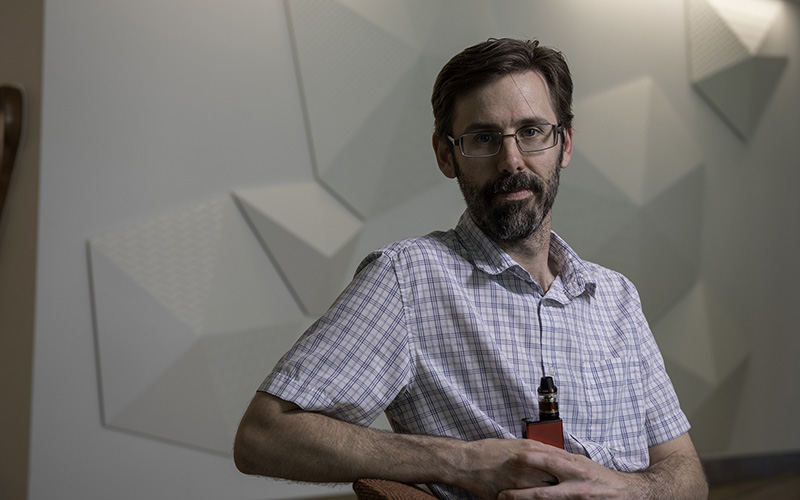
Perth researchers have found toxic and harmful chemicals in several dozen e-cigarette liquids readily available in Australia.

Almost 50 per cent of preschool children will experience at least one episode of wheeze, a whistling sound produced by the airways during breathing.
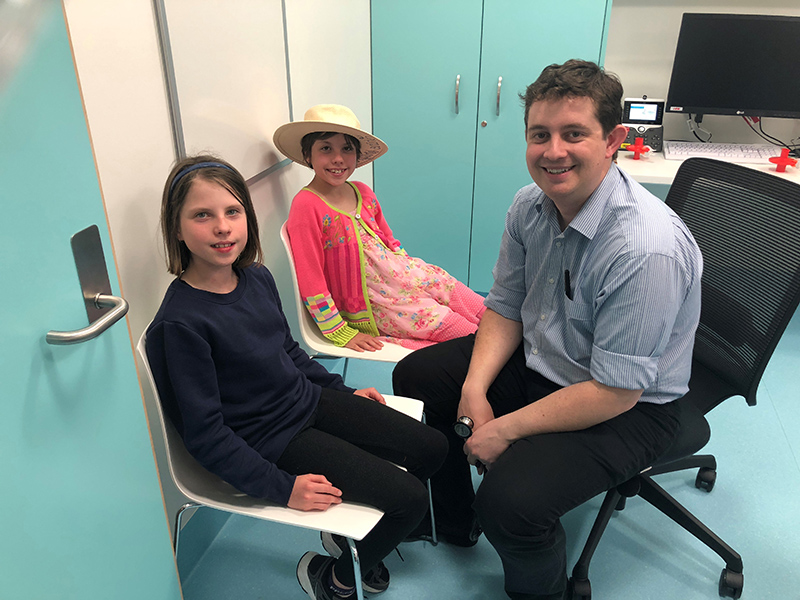
The Kids Research Institute Australia researchers are investigating whether a simple urine test could predict whether young children with wheezing symptoms will go on to develop asthma.
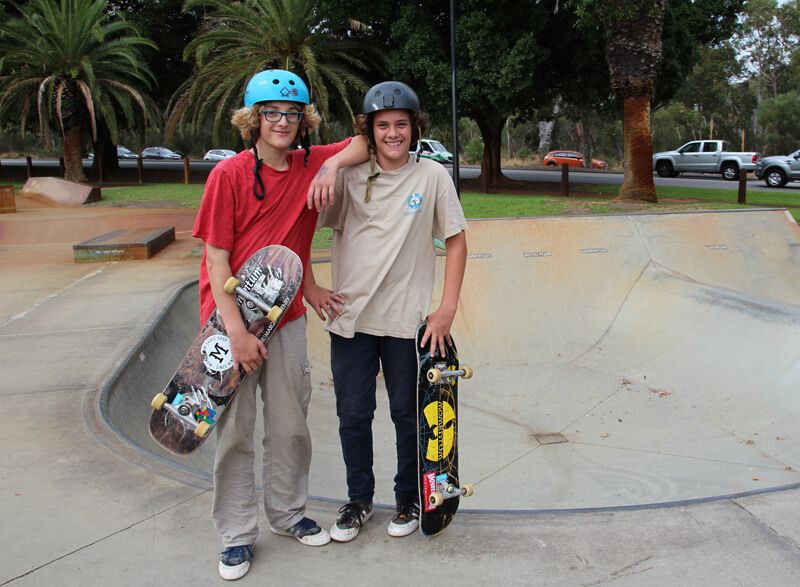
When Samuel and James Considine were born in October 2003, perilously close to what the medical world describes as the limit of viability, each weighed just 700 grams and could fit into the palm of their father’s hand.
Asthma affects about half a million Australian children and is one of the most common reasons why kids need to see a doctor or go to emergency.