
Search
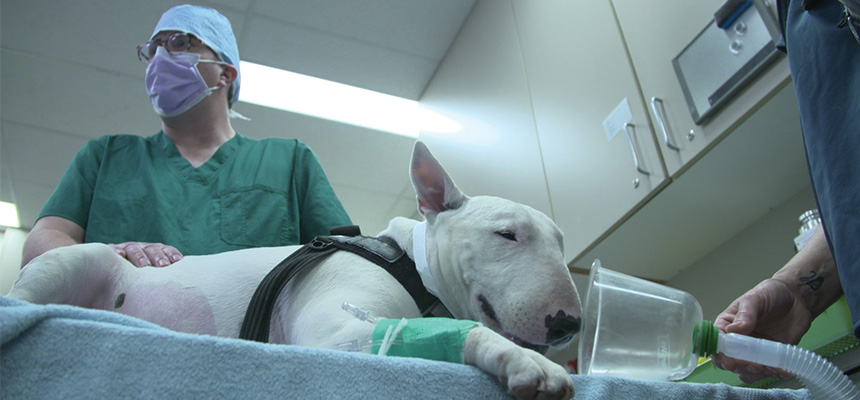
Associate Professor Lesterhuis said the gel, developed with the help of chemists at The University of Western Australia, could revolutionise the way solid tumours were treated.
A child's cancer diagnosis has a significant impact on the lives of grandparents. Grandparents experience the stress of worrying about both their adult children and their grandchildren. Our study aimed to explore the lived experience of grandparents of children diagnosed with cancer.
Advancements in genomic profiling led to the discovery of four major molecular subgroups in medulloblastoma (MB), which have now been incorporated into the World Health Organization classification of central nervous system tumors. The current study aimed to determine the prognostic significance of the MB molecular subgroups among children in Malaysia.
Although recent studies have demonstrated associations between nonchromosomal birth defects and several pediatric cancers, less is known about their role on childhood leukemia susceptibility. Using data from the Childhood Cancer and Leukemia International Consortium, we evaluated associations between nonchromosomal birth defects and childhood leukemia.
Evidence suggests the involvement of the microbiota, including oral, intra-tumoral and gut, in pancreatic cancer progression and response to therapy. The gut microbiota modulates the bile acid pool and is associated with maintaining host physiology. Studies have shown that the bile acid/gut microbiota axis is dysregulated in pancreatic cancer.
Components of the bone marrow microenvironment (BMM) have been shown to mediate the way in which leukemia develops, progresses and responds to treatment. Increasing evidence shows that leukemic cells hijack the BMM, altering its functioning and establishing leukemia-supportive interactions with stromal and immune cells.
Tumors of the central nervous system are the most common solid malignancies in children and the most common cause of pediatric cancer-related mortality. Imaging plays a central role in diagnosis, staging, treatment planning, and response assessment of pediatric brain tumors.
Cardio-oncology is a new multidisciplinary area of expertise that seeks to pre-emptively and proactively address cardiac complications that emerge during and following cancer therapy. Modern therapies including molecular targeted therapy and immunotherapy have broadened the agents that can cause cardiac sequelae, often with complications arising within days to weeks of therapy.
Glioblastoma is the most common form of high-grade glioma in adults and has a poor survival rate with very limited treatment options. There have been no significant advancements in glioblastoma treatment in over 30 years. Epidermal growth factor receptor is upregulated in most glioblastoma tumours and, therefore, has been a drug target in recent targeted therapy clinical trials.
Chronic lymphocytic leukemia patients have an increased bleeding risk with the introduction of Bruton tyrosine kinase (BTK) inhibitors. BTK is a signaling effector downstream of the platelet GPVI receptor. Innate platelet dysfunction in CLL patients and the contribution of the leukemia microenvironment to the anti-platelet effect of BTK inhibitors are still not well defined.