
Search
Influenza and COVID-19 infections during pregnancy may have serious adverse consequences for women as well as their infants. However, uptake of influenza and COVID-19 vaccines during pregnancy remains suboptimal. This study aims to assess the effectiveness of a multi-component nudge intervention to improve influenza and COVID-19 vaccine uptake among pregnant women.
Respiratory syncytial virus is the second most common cause of infant mortality and a major cause of morbidity and mortality in older adults (aged >60 years). Efforts to develop a respiratory syncytial virus vaccine or immunoprophylaxis remain highly active.
Acute flaccid paralysis (AFP) surveillance continues globally as part of the World Health Organization's goal to eradicate poliomyelitis. The Australian Paediatric Surveillance Unit, Paediatric Active Enhanced Disease Surveillance network, and National Enterovirus Reference Laboratory collaborate in AFP surveillance in Australia, capturing and reviewing cases of AFP for all aetiologies in order to exclude poliovirus. We aimed to describe the AFP epidemiology in childhood over an 11 year period.
There are well-described sex-based differences in how the immune system operates. In particular, cisgender (cis) females have a more easily activated immune system; associated with an increased prevalence of autoimmune diseases and adverse events following vaccinations. Conversely, cis males have a higher threshold for immune activation, and are more prone to certain infectious diseases, such as coronavirus disease (COVID-19).
We aimed to assess the direct protective effect of 13 valent pneumococcal conjugate vaccine (13vPCV) against invasive pneumococcal pneumonia (IPP; including pneumonia and empyema) in children using a nation-wide case-control study across 11 paediatric tertiary hospitals in Australia.
Preterm birth (PTB) and stillbirth remain two of the most important causes of death, morbidity, and disability in childhood. Despite efforts to reduce PTB and stillbirth worldwide, rates of these adverse outcomes remain persistently elevated, independent of income setting. There is an urgent need for more effective interventions to reduce associated neonatal and early childhood morbidity and mortality.
Children with chronic medical conditions are at higher risk of invasive pneumococcal disease (IPD), but little is known about the effectiveness of the primary course of pneumococcal conjugate vaccine (PCV) in these children.
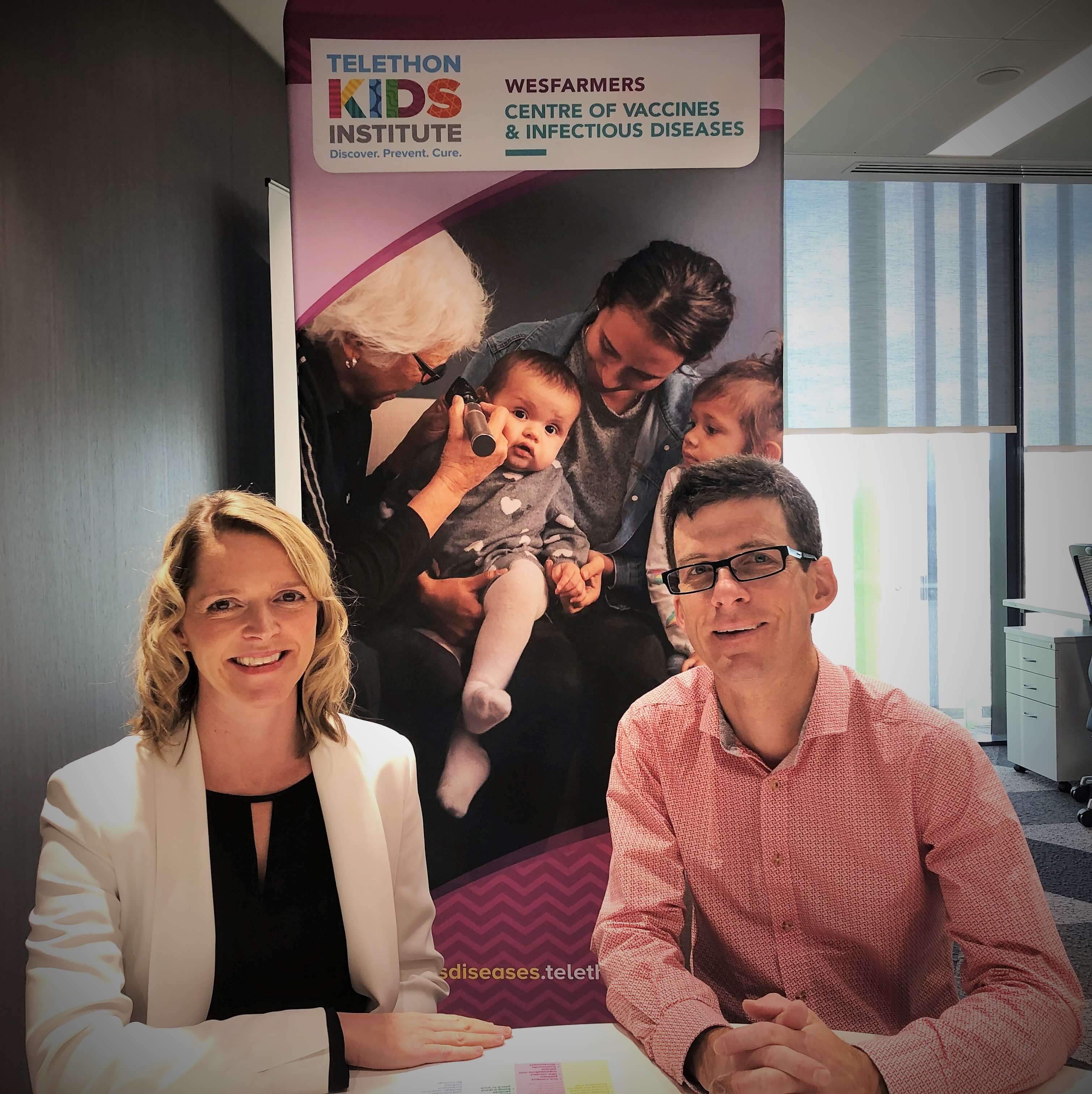
Dr Lea-Ann Kirkham and Dr Chris Blyth have been appointed as Co-Directors
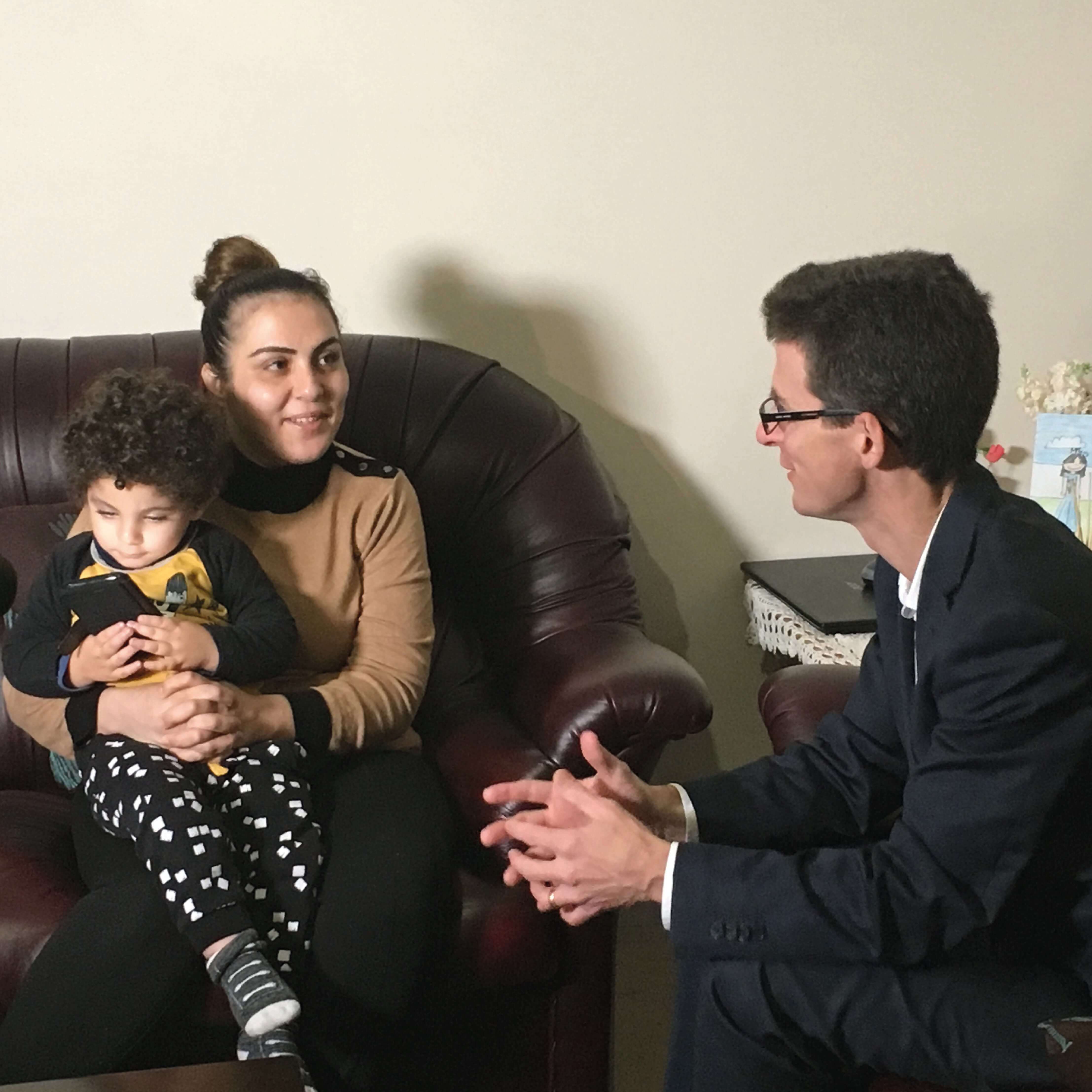
Perth parents are underestimating the serious consequences of the flu, with only 19 per cent of children under five years of age currently immunized against the virus ahead of the peak winter flu season.

In 2017, a steep rise in cases of meningococcal disease caused by the W strain sparked a wave of concern for parents in Western Australia.