
Search
There are an estimated 5000 episodes per year of bloodstream infections due to Staphylococcus aureus (golden staph) in Australia and an associated mortality of 20%. Despite this, there is little clinical trials evidence to guide best management.
The Missing Piece Surveillance Study is a prospective surveillance study to determine the concurrent burden of skin and throat infections in children, from two remote communities in Northern Australia.
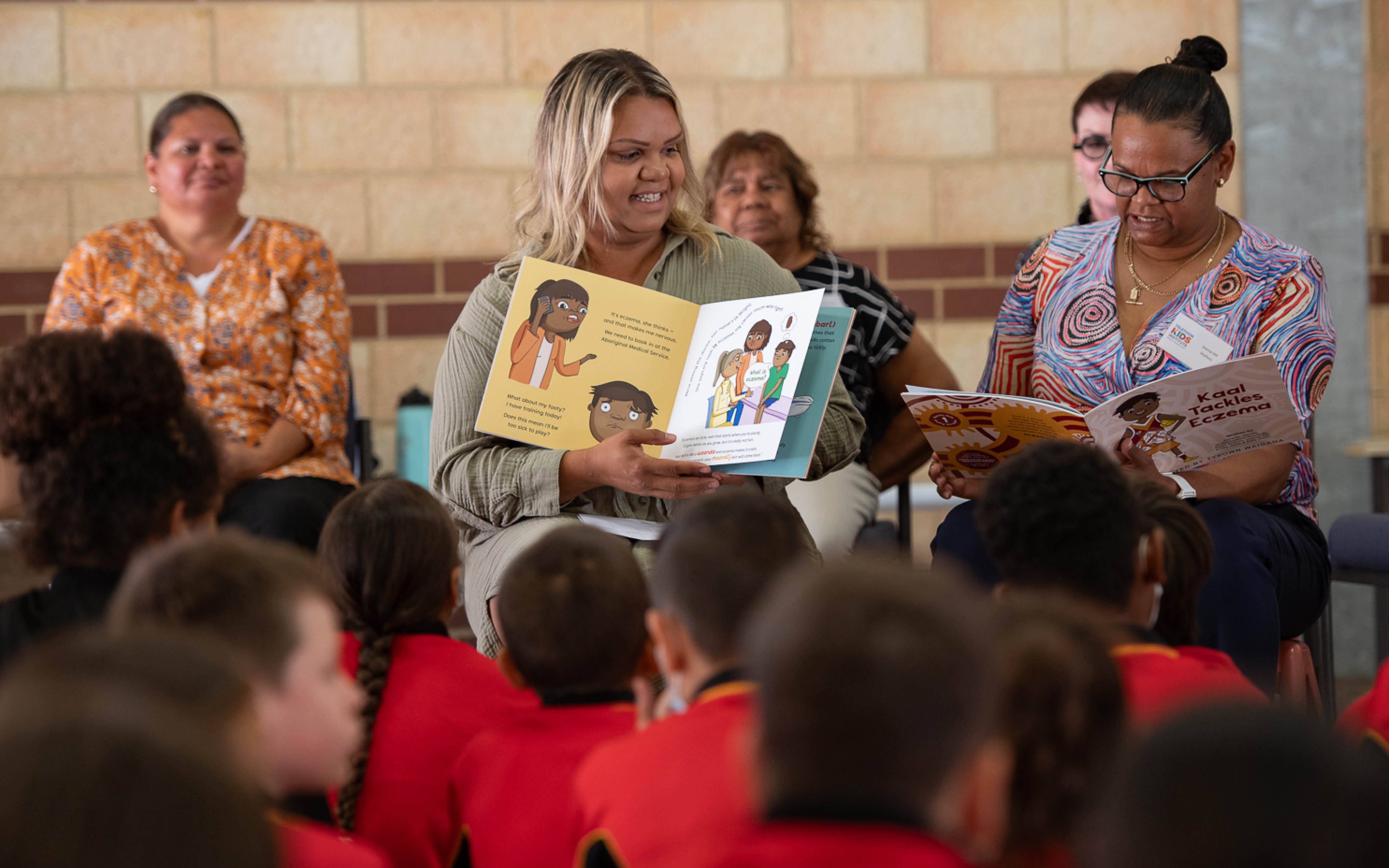
Our aim is for all kids to have healthy skin. We work with communities to reduce the burden of Strep A skin sores and sore throats to prevent rheumatic fever.
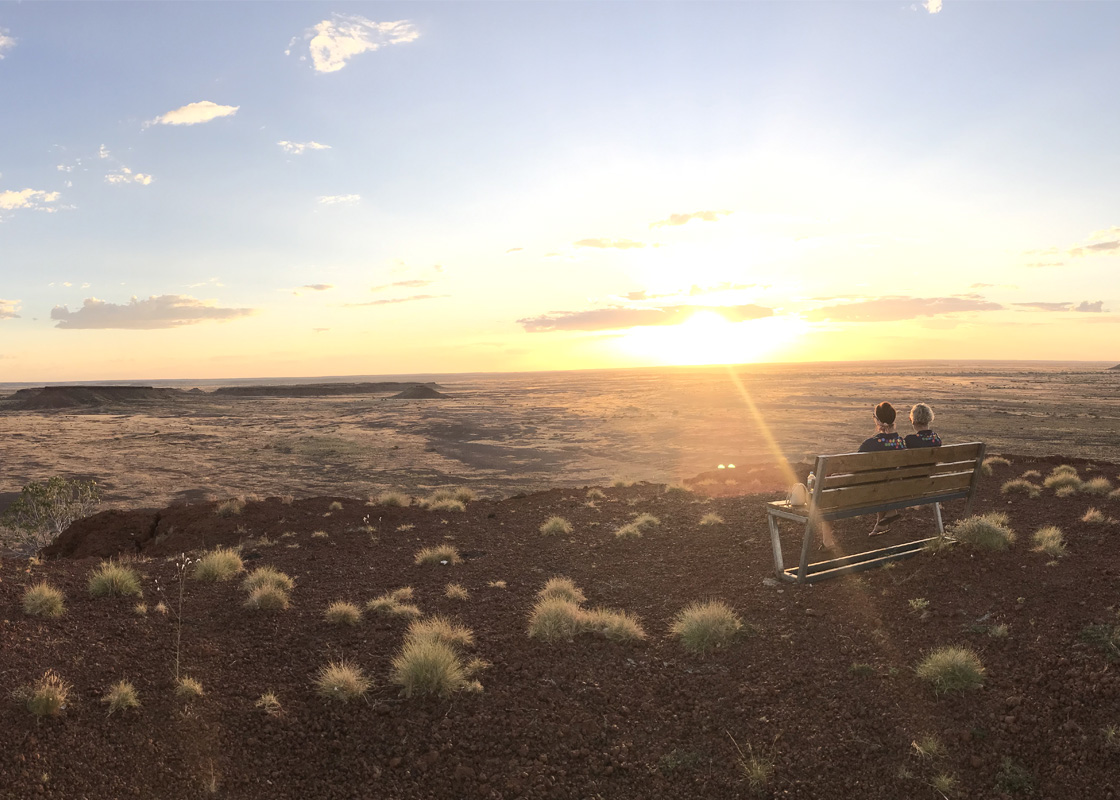
Working alongside the Healthy Skin & ARF Prevention team, clinicians and other researchers; Elder researchers and community members have driven the co-design of healthy skin promotion resources localised to their community.
Designed by community for community, the Strong Skin App is a go-to resource to support your skin health.
Adaptive clinical trials have designs that evolve over time because of changes to treatments or changes to the chance that participants will receive these treatments. These changes might introduce confounding that biases crude comparisons of the treatment arms and makes the results from standard reporting methods difficult to interpret for adaptive trials. To deal with this shortcoming, a reporting framework for adaptive trials was developed based on concurrently randomised cohort reporting.
Streptococcus pyogenes, or group A Streptococcus (GAS), infections contribute to a high burden of disease in Aboriginal Australians, causing skin infections and immune sequelae such as rheumatic heart disease. Controlling skin infections in these populations has proven difficult, with transmission dynamics being poorly understood. We aimed to identify the relative contributions of impetigo and asymptomatic throat carriage to GAS transmission.
Asha Rosemary Jeffrey Bowen Wyber Cannon BA MBBS DCH FRACP PhD GAICD FAHMS OAM MBChB MPH FRACGP PhD BSc(Hons) BBus PhD Head, Healthy Skin and ARF
Recruitment in research can be challenging in Australian Aboriginal contexts. We aimed to evaluate the SToP (See, Treat, Prevent skin infections) trial recruitment approach for Aboriginal families to identify barriers and facilitators and understand the utility of the visual resource used.
Achieving healthy skin requires the prevention of infectious diseases that affect the skin. Prevention activities range from environmental health improvements to address inequities in living situations, through to community-wide treatment programs to reduce transmission and improve skin health.