
Search
Bacteriophages (phages) are viruses that selectively kill bacteria and offer a promising option to address the growing global pandemic of antimicrobial-resistant infections. However, phage therapy does not easily align with traditional regulatory pathways designed for fixed-composition chemical drugs or biologics with fixed non-evolving compositions.
The long-term consequences of early adverse exposures are well known but is becoming clear that early means not just in pregnancy but also in at least the two preceding generations. Furthermore, there are new existential threats to long term respiratory health, some of which have been presented at the INSPiRED meeting in Bologna and are reviewed in this manuscript.
To identify the barriers and facilitators for timely detection and optimal management of otitis media in Aboriginal children in a primary care setting from the perspective of Health Care Providers

COMBAT CF is one of two long-standing international trials which have resulted in new early intervention options helping to reduce progressive lung damage in kids living with CF.
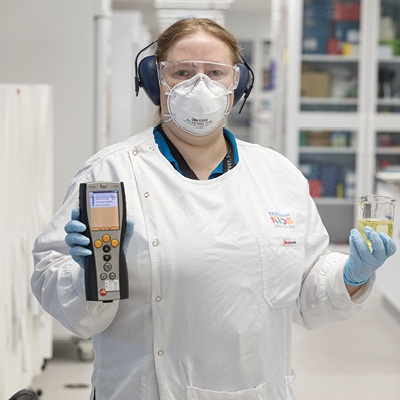
In a world being urged to embrace renewable options, biodiesel fuels are increasingly being touted as a greener, cleaner choice than traditional diesel.
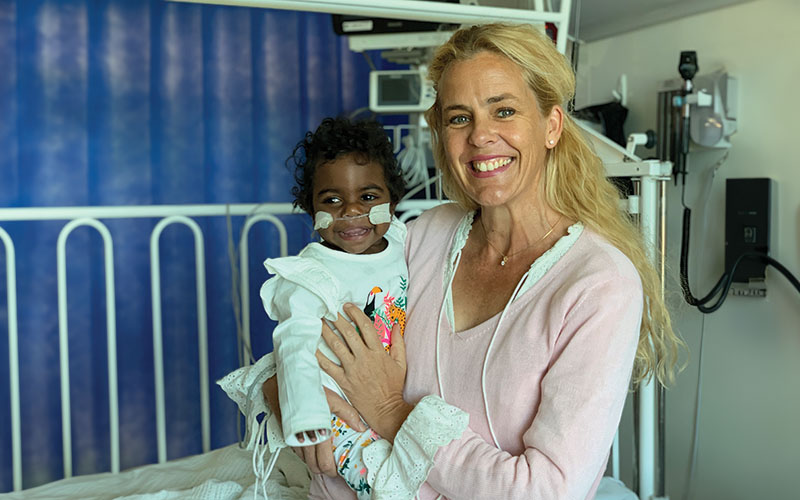
Culturally secure intervention to facilitate medical follow up for Aboriginal children, after being hospitalised with chest infections, have proven to improve long-term lung health outcomes.

A public health campaign to raise awareness about the dangers of chronic wet cough in Aboriginal children is helping to improve detection, diagnosis and management of the condition.
Citation: Arishi AA, Holland DC, Bracegirdle J, …… Garratt LW, Mantjani L, Moggach SA, et al. Genome-Guided Discovery and Heterologous Biosynthesis
Citation: Wang KCW, Lawrence K, Wisnivesky JP, Diaz AA. Enhancing a diverse population: the American Thoracic Society Mentoring Program for
Scedosporium species are filamentous fungi with inherent broad antifungal resistance that pose opportunistic infection threats. We present draft genome assemblies of S. aurantiacum (11 contigs) and S. apiospermum (9 contigs), derived from Oxford Nanopore sequencing of one Australian clinical isolate each.