
Search

The Leducq Foundation has bolstered an Australian-led bid to develop a Strep A vaccine, committing USD4.3 million to fund critical scientific work.
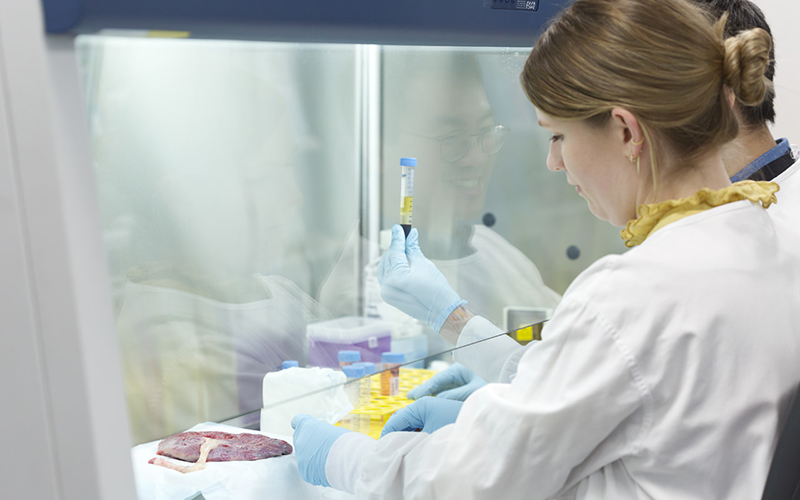
Four The Kids Research Institute Australia-based biobanks which underpin a range of cancer, respiratory and early life research have received more than $450,000 in funding.
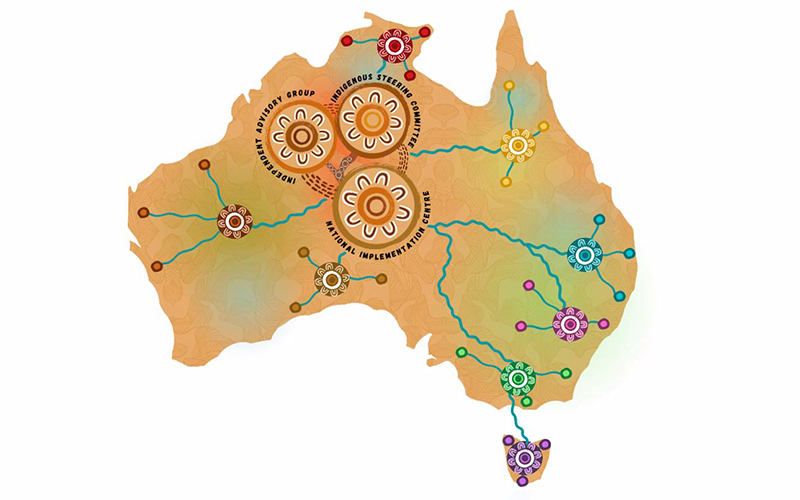
Teams from The Kids Research Institute Australia and The University of Western Australia will lead the WA arm of a transformational national research network grounded in Aboriginal and Torres Strait Islander knowledge
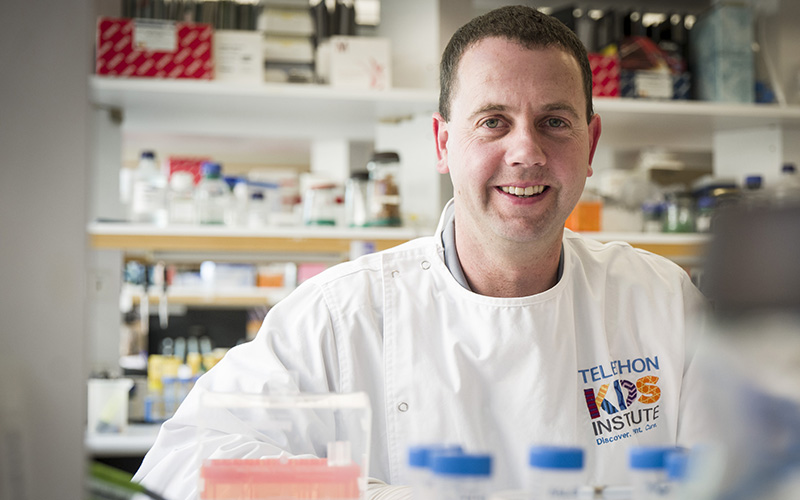
The Kids Research Institute Australia cancer researcher, Dr Jason Waithman, has been named Cancer Council WA’s 2021 Cancer Researcher of the Year.
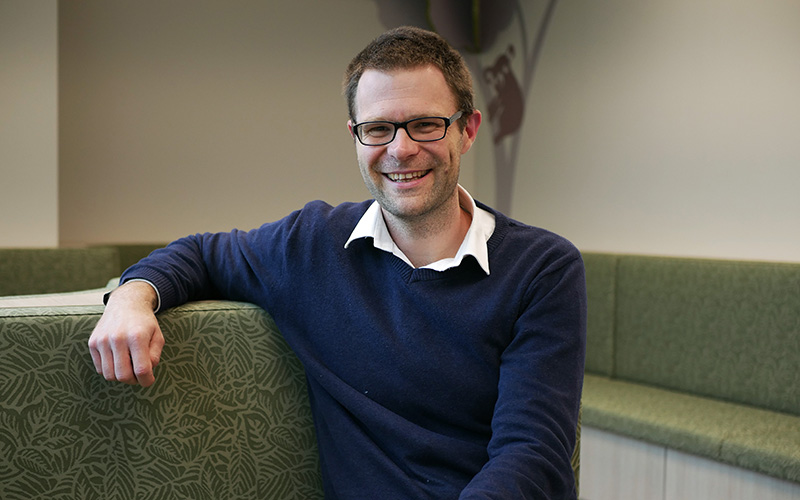
Professor Andrew Whitehouse has been inducted as the youngest-ever Fellow to the Australian Academy of Health and Medical Sciences.
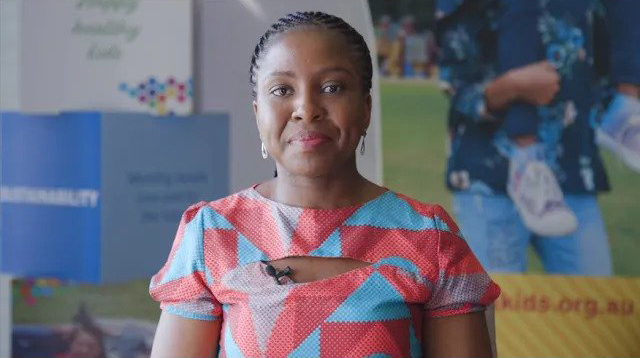
We want to hear from people across the WA community - about the big issues and concerns facing our children, young people, and their families. Share your voice and views to help guide our research for happy, healthy kids.
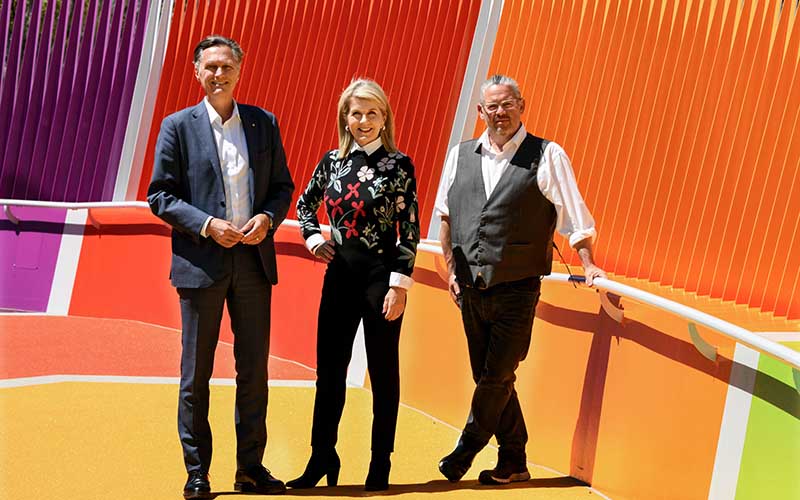
Dr Alex Brown to take up a new appointment as Professor of Indigenous Genomics.
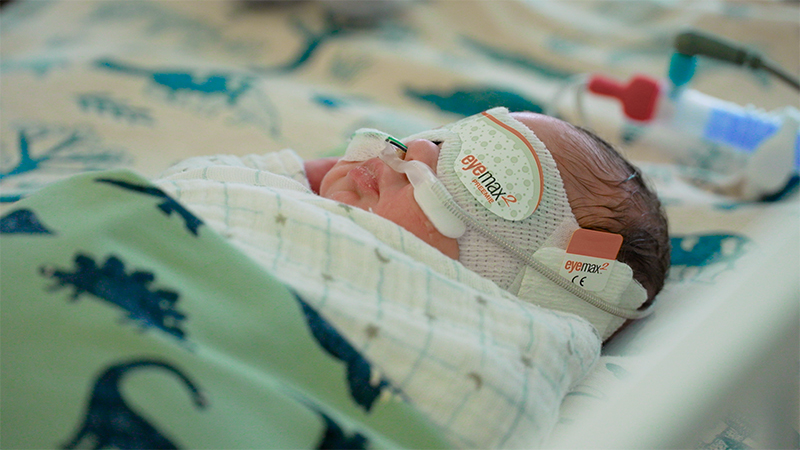
Researchers will fit nearly 500 preterm babies with tiny eye masks and earplugs for the study.
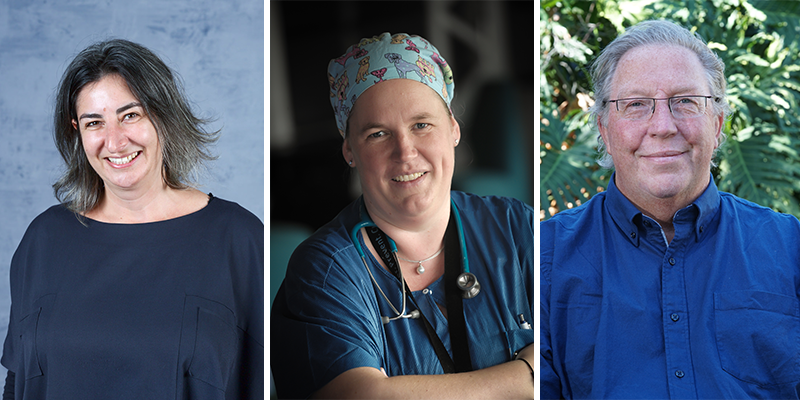
The Kids Research Institute Australia researchers have been awarded $5.3 million in prestigious Investigator Grants from the National Health and Medical Research Council
The Curtin University research in collaboration with The Kids Research Institute Australia, published in Autism Research, investigated more than 925,000 births in Denmark, Finland and Sweden.