Skip to content
The Kids Research Institute Australia logo
Donate

Search

Research

Temporal changes in childhood cancer incidence and survival by stage at diagnosis in Australia, 2000–2017

The Toronto Paediatric Cancer Stage Guidelines are a compendium of staging systems developed to facilitate collection of consistent and comparable data on stage at diagnosis for childhood cancers by cancer registries.

Research

The diabetes management experiences questionnaire: Psychometric validation among adults with type 1 diabetes

To examine the psychometric properties of the Diabetes Management Experiences Questionnaire (DME-Q). Adapted from the validated Glucose Monitoring Experiences Questionnaire, the DME-Q captures satisfaction with diabetes management irrespective of treatment modalities.

Research

Reproducible Bioinformatics Analysis Workflows for Detecting IGH Gene Fusions in B-Cell Acute Lymphoblastic Leukaemia Patients

B-cell acute lymphoblastic leukaemia (B-ALL) is characterised by diverse genomic alterations, the most frequent being gene fusions detected via transcriptomic analysis (mRNA-seq). Due to its hypervariable nature, gene fusions involving the Immunoglobulin Heavy Chain (IGH) locus can be difficult to detect with standard gene fusion calling algorithms and significant computational resources and analysis times are required. We aimed to optimize a gene fusion calling workflow to achieve best-case sensitivity for IGH gene fusion detection.

Research

A biobank of pediatric patient-derived-xenograft models in cancer precision medicine trial MAPPYACTS for relapsed and refractory tumors

Pediatric patients with recurrent and refractory cancers are in most need for new treatments. This study developed patient-derived-xenograft (PDX) models within the European MAPPYACTS cancer precision medicine trial.

Research

From signalling pathways to targeted therapies: unravelling glioblastoma’s secrets and harnessing two decades of progress

Glioblastoma, a rare, and highly lethal form of brain cancer, poses significant challenges in terms of therapeutic resistance, and poor survival rates for both adult and paediatric patients alike. Despite advancements in brain cancer research driven by a technological revolution, translating our understanding of glioblastoma pathogenesis into improved clinical outcomes remains a critical unmet need.

Research

Intravascular Tumor Extension and Pulmonary Tumor Embolism in Children With Solid Malignancies: Is There a Role for Inferior Vena Cava Filters?

Intravascular tumor extension is an uncommon complication of solid malignancies that, when present in the inferior vena cava (IVC), can result in fatal pulmonary tumor embolism. Currently, neoadjuvant chemotherapy and surgery are the mainstays of treatment; however, there are no consensus guidelines for management.  

Research

The type II RAF inhibitor tovorafenib in relapsed/refractory pediatric low-grade glioma: the phase 2 FIREFLY-1 trial

BRAF genomic alterations are the most common oncogenic drivers in pediatric low-grade glioma.

Research

National brain tumour registry: a new era of research collaboration with China

Cancer continues to be a leading cause of death globally. However, there remains a significant disparity in the reported incidence of cancer in developed countries, estimated to be 295.3 cases per 100,000 people, compared with only 115.7 in developing countries. Some of the reasons for this variation include lack of robust data collection with limited reporting systems, and insufficient data availability in the registries of these developing nations.

Research

Tretinoin improves the anti-cancer response to cyclophosphamide, in a model-selective manner

Chemotherapy is included in treatment regimens for many solid cancers, but when administered as a single agent it is rarely curative. The addition of immune checkpoint therapy to standard chemotherapy regimens has improved response rates and increased survival in some cancers. However, most patients do not respond to treatment and immune checkpoint therapy can cause severe side effects. Therefore, there is a need for alternative immunomodulatory drugs that enhance chemotherapy.

News & Events

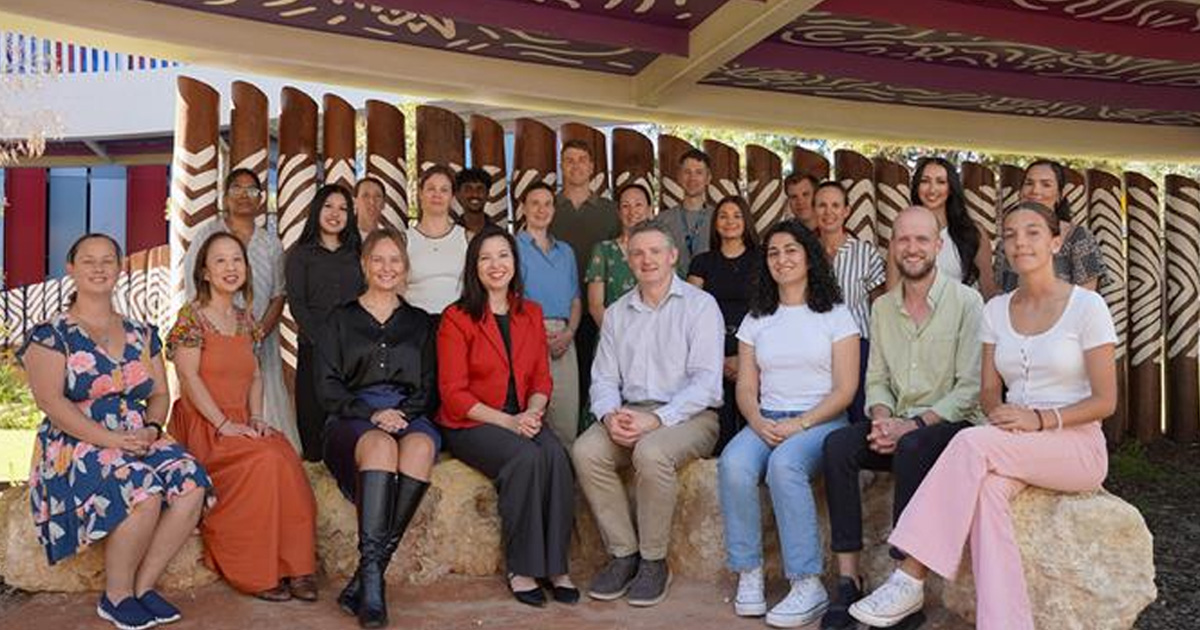
World-first research to transform outcomes for First Nations children with cancer

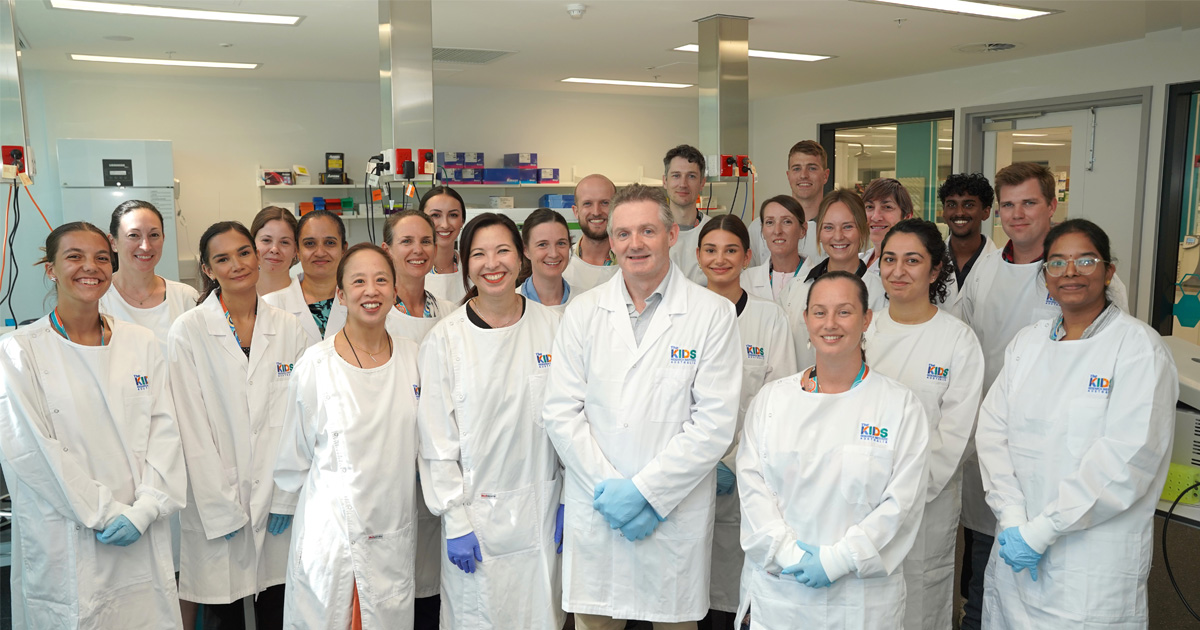
A first of its kind research program at The Kids Research Institute Australia aims to develop new strategies to better treat First Nations children with cancer.