
Search
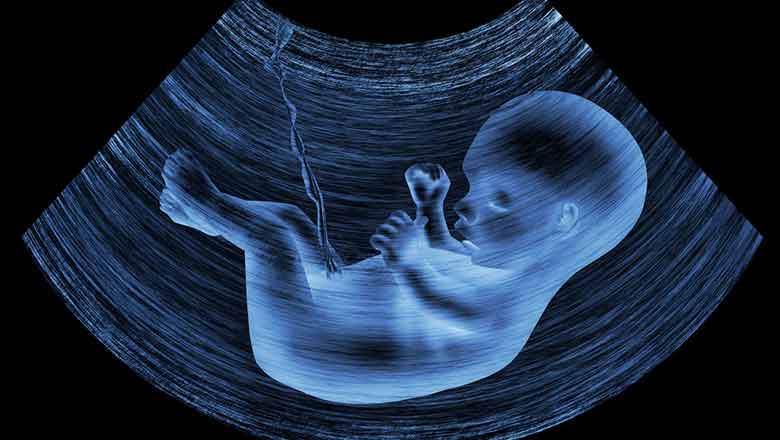
The results from two new The Kids Research Institute Australia studies on Attention Deficit Hyperactivity Disorder (ADHD) show an association between the condition

One of the largest population studies of Attention Deficit/Hyperactivity Disorder (ADHD) in children has revealed maternal smoking during pregnancy to be an imp
Attention deficit hyperactivity disorder (ADHD) is one of the most prevalent neurodevelopmental disorders in children and adolescents and its treatment plan includes a multimodal approach. Psychoeducation is a potential therapeutic modality in the multimodal treatment of ADHD.
We performed a genome-wide association meta-analysis of 290,134 attention-deficit/hyperactivity disorder symptom measures of 70,953 unique individuals from multiple raters, ages and instruments.
A problem that applied researchers and practitioners often face is the fact that different institutions within research consortia use different scales to evaluate the same construct which makes comparison of the results and pooling challenging.
Early life nutrition is associated with child behaviour; however, the interplay with genetic vulnerability is understudied. We hypothesised that psychiatric genetic risk interacted with early nutrition to predict behavioural problems in childhood and adolescence.
ADHD has been associated with impaired central nervous dopaminergic pathways. Brain iron is an essential cofactor for the synthesis of dopamine and the substantia nigra (SN) is a significant pool of dopaminergic neurons playing a central role in the activity of the nigrostriatal pathway. The present study investigated SN iron content in children with ADHD, its relationship with ADHD symptom severity and cognitive performance.
The objective of this study was to examine the relationship between dietary patterns and ADHD in a population-based cohort of adolescents.
Social media allows users to connect with others’ experiences and points of view, with TikTok being the fastest-growing platform worldwide. Highly viewed videos related to neurodiversity on TikTok have an increasing role in understanding and acceptance of neurodivergent individuals.
Autistic people and those with attention deficit hyperactivity disorder are at a high risk of developing an eating disorder. While there is limited evidence on the relationship between other forms of neurodivergence and eating disorders, research suggests associations between giftedness, intellectual disability, obsessive-compulsive disorder, psychosis, Tourette's syndrome, and disordered eating.