
Search
Tuberculosis (TB) is the leading infectious cause of death globally. Several preventive measures are employed to prevent TB, yet there is a paucity of evidence on the effectiveness of these interventions. Therefore, this study aimed to identify the most effective interventions for reducing TB incidence.
Tuberculosis (TB) is a major public health concern in low- and middle-income countries including Ethiopia. This study aimed to assess the spatiotemporal distribution of TB and identify TB risk factors in Ethiopia's Oromia region.
Tuberculosis (TB) remains a major cause of morbidity and mortality in the world, despite being a preventable and curable disease. The World Health OrganizationEnd-TB Strategy, aligned with the Sustainable Development Goals, sets a target of reducing the TB mortality rate by 95%, TB incidence rate by 90%, and catastrophic costs due to TB by 2035, compared with a 2015 level. To achieve these ambitious targets, several interventions have been implemented in the last few years, resulting in major progress toward reducing the burden of TB.
No studies have yet examined high-resolution shifts in the spatial patterns of human movement in Australia throughout 2020 and 2021, a period coincident with the repeated enactment and removal of varied governmental restrictions aimed at reducing community transmission of SARS-CoV-2. We compared overlapping timeseries of COVID-19 pandemic-related restrictions, epidemiological data on cases and vaccination rates, and high-resolution human movement data to characterize population-level responses to the pandemic in Australian cities.
Contact investigations with drug-susceptible tuberculosis (DS-TB) patients have demonstrated a high prevalence of tuberculosis infection (TBI). However, the prevalence of TBI among individuals in close contact with drug-resistant tuberculosis (DR-TB) patients is poorly understood. This systematic review and meta-analysis aimed to determine the prevalence of TBI among household and non-household contacts of DR-TB patients.
In response to critical gaps in medical oxygen access, 2 pressure swing adsorption (PSA) oxygen production centers were established using an ecosystem-strengthening strategy in Amhara, Ethiopia, in 2019. A qualitative study was conducted to assess enablers and bottlenecks to oxygen access at the hospital level after installation.
Strongyloidiasis, caused by the soil-transmitted helminth Strongyloides stercoralis, remains a neglected public health issue in Australia, particularly among remote Aboriginal and Torres Strait Islander communities. This study aimed to map the spatial distribution of strongyloidiasis and investigate associated socioecological factors to identify high-risk areas and guide targeted interventions in Australia.
Tuberculosis (TB) remains a global public health challenge, causing substantial mortality and morbidity. While TB treatment has made significant progress, it often leaves survivors with post-TB sequelae, resulting in long-term health issues.
Drug-resistant tuberculosis (DR-TB) is a major public health threat in Hunan Province, with an increasing clinical burden in recent years. This study aimed to identify socio-demographic and clinical factors associated with DR-TB in Hunan province, China.
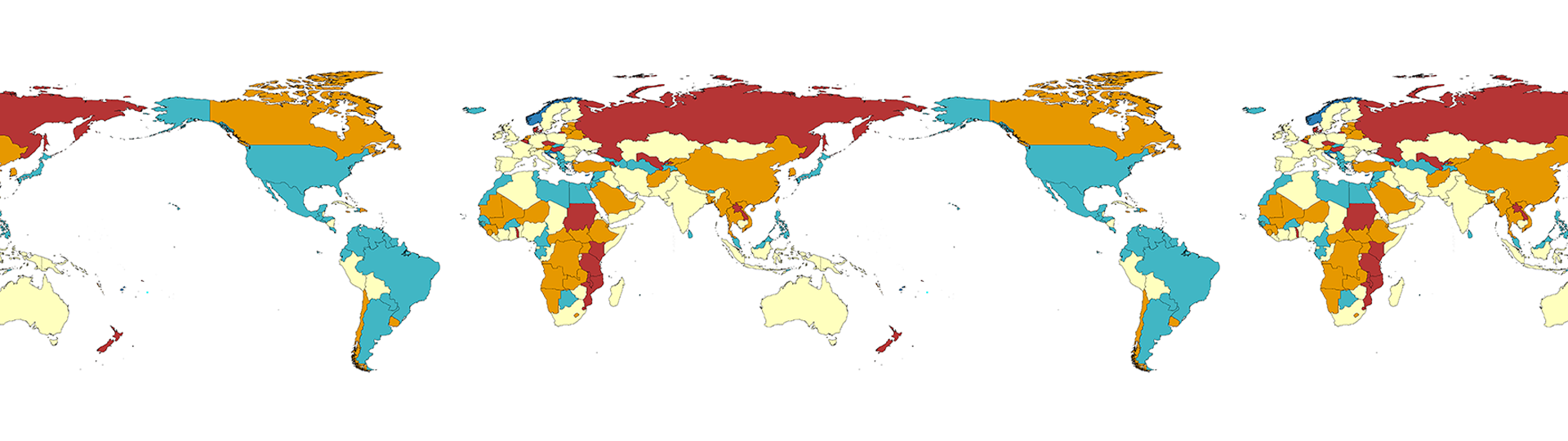
The Geospatial and Tuberculosis (GeoTB) team led by Kefyalew Alene focuses on designing an innovative approach for improving the efficiency and effectiveness of public health interventions to help control and ultimately eliminate tuberculosis in high-burden countries.