
Search

The Kids Research Institute Australia researchers have been awarded more than $10 million in research funding from the National Health and Medical Research Council (NHMRC).
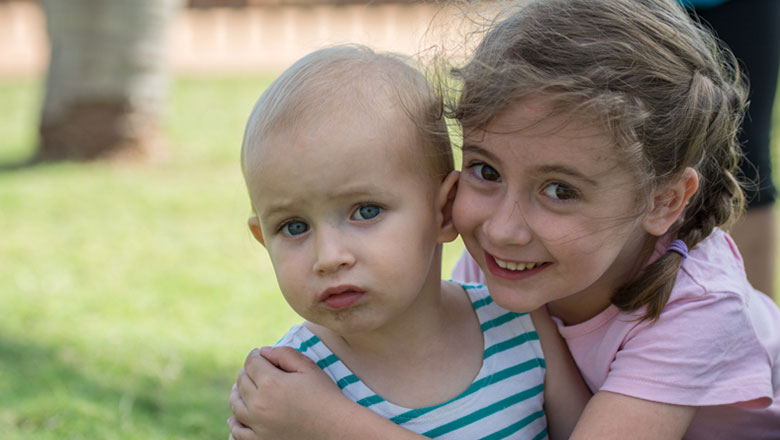
Consumers and community members are invited to join us to provide input into our childhood infectious diseases research.
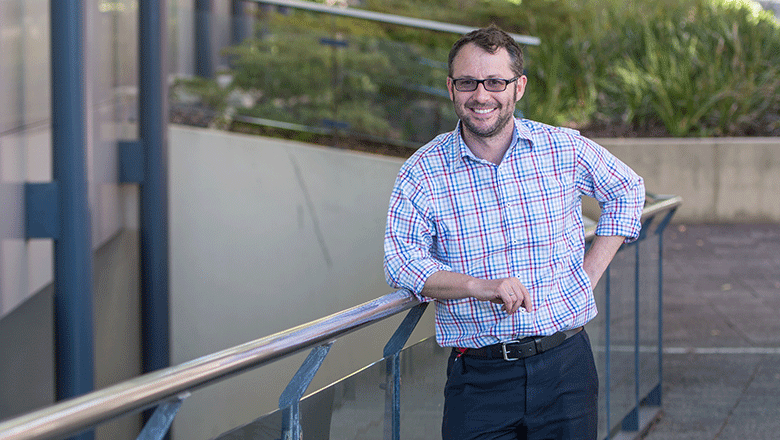
A Kids Research Institute Australia researcher has been awarded $10,000 from the New Independent Researcher Infrastructure Support (NIRIS) award.
The Kids researcher Dr Hannah Moore has been named Woodside Early Career Scientist of the Year at the 2015 Premier's Science Awards.
Latest news & events at the Wesfarmers Centre of Vaccines & Infectious Diseases.
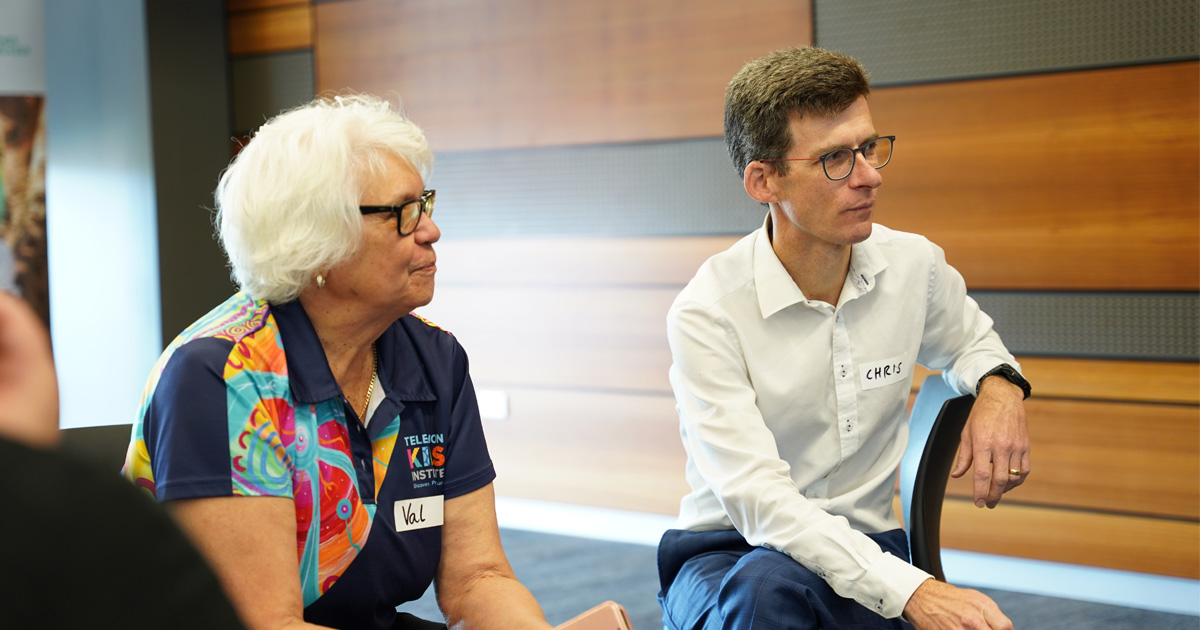
Researchers from the Wesfarmers Centre of Vaccines and Infectious Diseases at The Kids Research Institute Australia have shared their expertise with the community in Cockburn, covering topics ranging from respiratory disease in babies to recurring ear infections in kids.
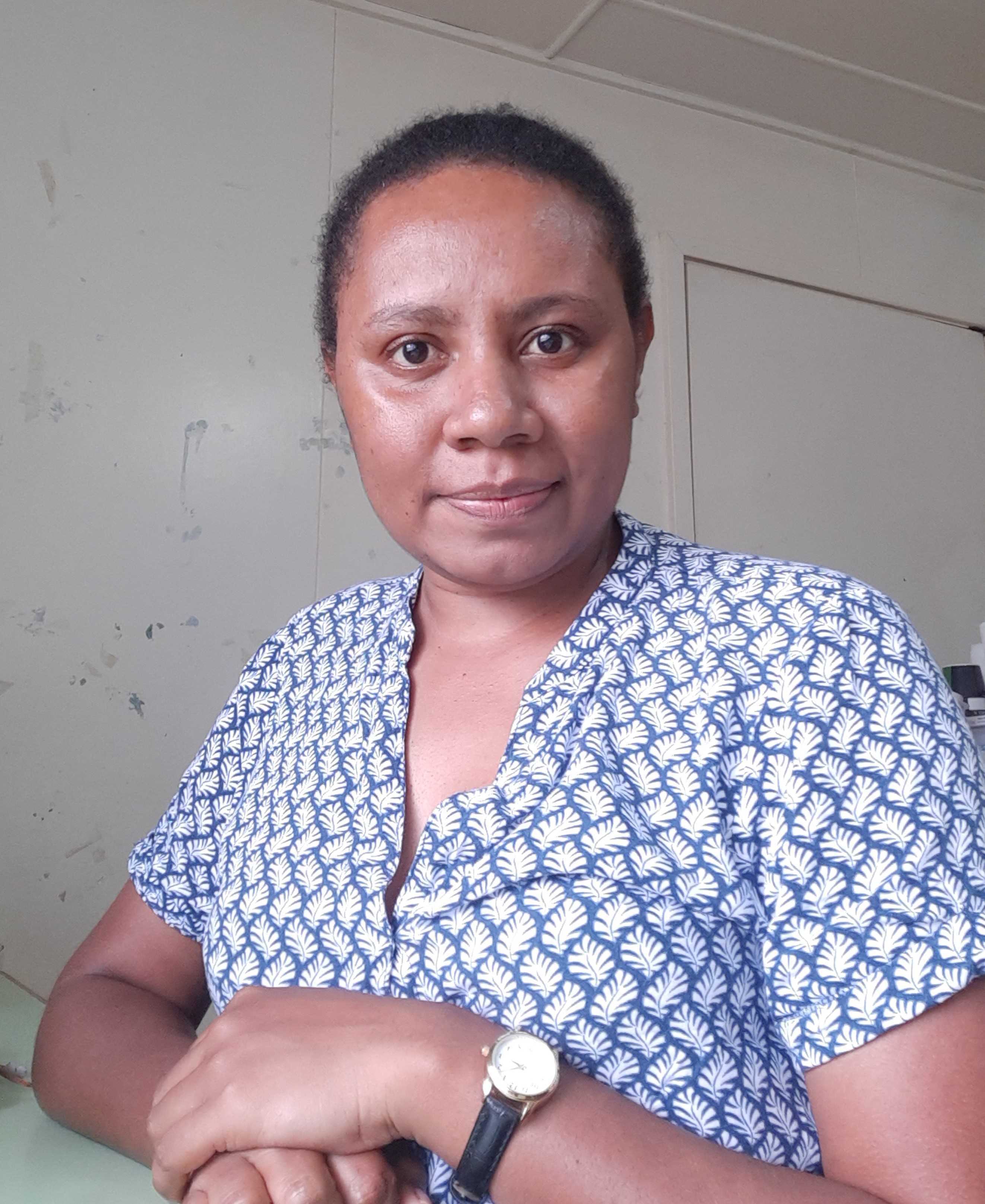
Congratulations to Dr Paula Tesine who is the successful recipient of the Deborah Lehmann Research Award. As the third recipient of the Deborah Lehmann Research Award, Dr Tesine received $30,000 towards her research.

Enrolments for Australia’s first needle-free, gene-based COVID-19 vaccine study – to be led in WA by The Kids Research Institute Australia – are open.
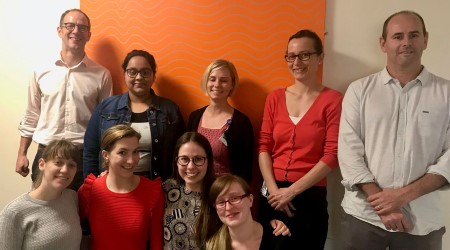
Clinical Professor Tobias Strunk, Dr Andrew Currie and their Neonatal Infection and Immunity Team have become the newest members of the Wesfarmers Centre of Vaccines and Infectious Diseases.
Both bacteria and viruses play a role in the development of acute otitis media, however, the importance of specific viruses is unclear.