Search
Besides the challenges associated with their teenage years, adolescents with Type 1 Diabetes (T1D) encounter additional challenges of having a chronic condition.
Research
A very low carbohydrate diet for minimising blood glucose excursions during ultra-endurance open-water swimming in type 1 diabetes: a case reportCarbohydrate-restricted diets are used by people with type 1 diabetes (T1D) to help manage their condition. However, the impact of this strategy on blood glucose responses to exercise is unknown. This study describes the nutritional strategies of an athlete with T1D, who follows a very low carbohydrate diet to manage her condition during an ultra-endurance open-water swimming event.
Research
Protocol for the Australian Type 1 Diabetes National Screening Pilot: Assessing the feasibility and acceptability of three general population screening models in childrenOne third of Australian children diagnosed with type 1 diabetes present with life-threatening diabetic ketoacidosis (DKA) at diagnosis. Screening for early-stage, presymptomatic type 1 diabetes, with ongoing follow-up, can substantially reduce this risk (<5% risk). Several screening models are being trialled internationally, without consensus on the optimal approach. This pilot study aims to assess three models for a routine, population-wide screening programme in Australia.
Research
Use of linked administrative and laboratory data to confirm that serum 25(OH)D levels in pregnant women can be predicted from satellite estimates of ultraviolet radiationSerum 25 hydroxyvitamin D [25(OH)D] levels of pregnant women have been linked to various health outcomes in their offspring. Satellite-derived ultraviolet radiation (UVR) data have been used as a proxy for 25(OH)D levels, as individual-level cohort studies are time-consuming, costly and only feasible for common outcomes.
Type 1 diabetes is a chronic autoimmune disease that results from the immune system attacking the insulin-producing cells of the pancreas. Unlike type 2 diabetes which is potentially preventable, type 1 is a non-preventable disease - currently, its exact cause is not known and there is no cure.
Read about the Research Focus Area Leads at the Children's Diabetes Centre.
Many of the Centre's researchers have been responsible for discovering and contributing to real game-changers, making a difference to children with diabetes.
News & Events
Congratulations Dr Anna BoggissAnna has been awarded a three-year Fellowship to tackle the urgent gap in care in young Western Australians living with type 1 diabetes who are at heightened risk of developing eating disorders.
PhD Scholarship opportunities The Rio Tinto Children’s Diabetes Centre; A JDRF Global Centre of Excellence, (“the Centre”) based at The Kids Research
News & Events
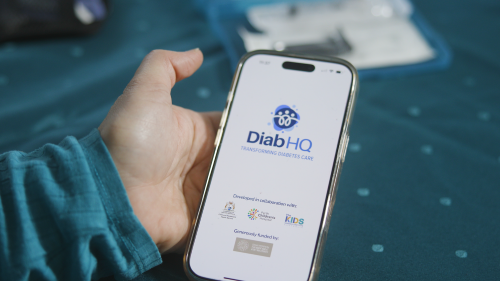
Major funding to transform diabetes managementCongratulations to Professor Liz Davis and her team at the Rio Tinto Children's Diabetes Centre, who have received significant digital health grants through the Future Health Research and Innovation (FHRI) Fund.