
Search
Otitis media is a common childhood illness associated with hearing loss, social disadvantage and medical costs. Prevalence and severity are high among...
Highly pathogenic avian influenza A virus (H5N1) is a leading candidate for the next influenza pandemic, and infants and children may play an important role...
To investigate temporal trends in admission rates for acute lower respiratory infections (ALRI) in a total population birth cohort of non-Aboriginal and...
Vaccination of young teenage females against human papillomavirus (HPV) with a newly licenced quadrivalent vaccine designed to prevent cervical cancer and...
To provide estimates of the annual number and cost of hospital admissions, emergency department (ED) visits and general practitioner (GP) visits...
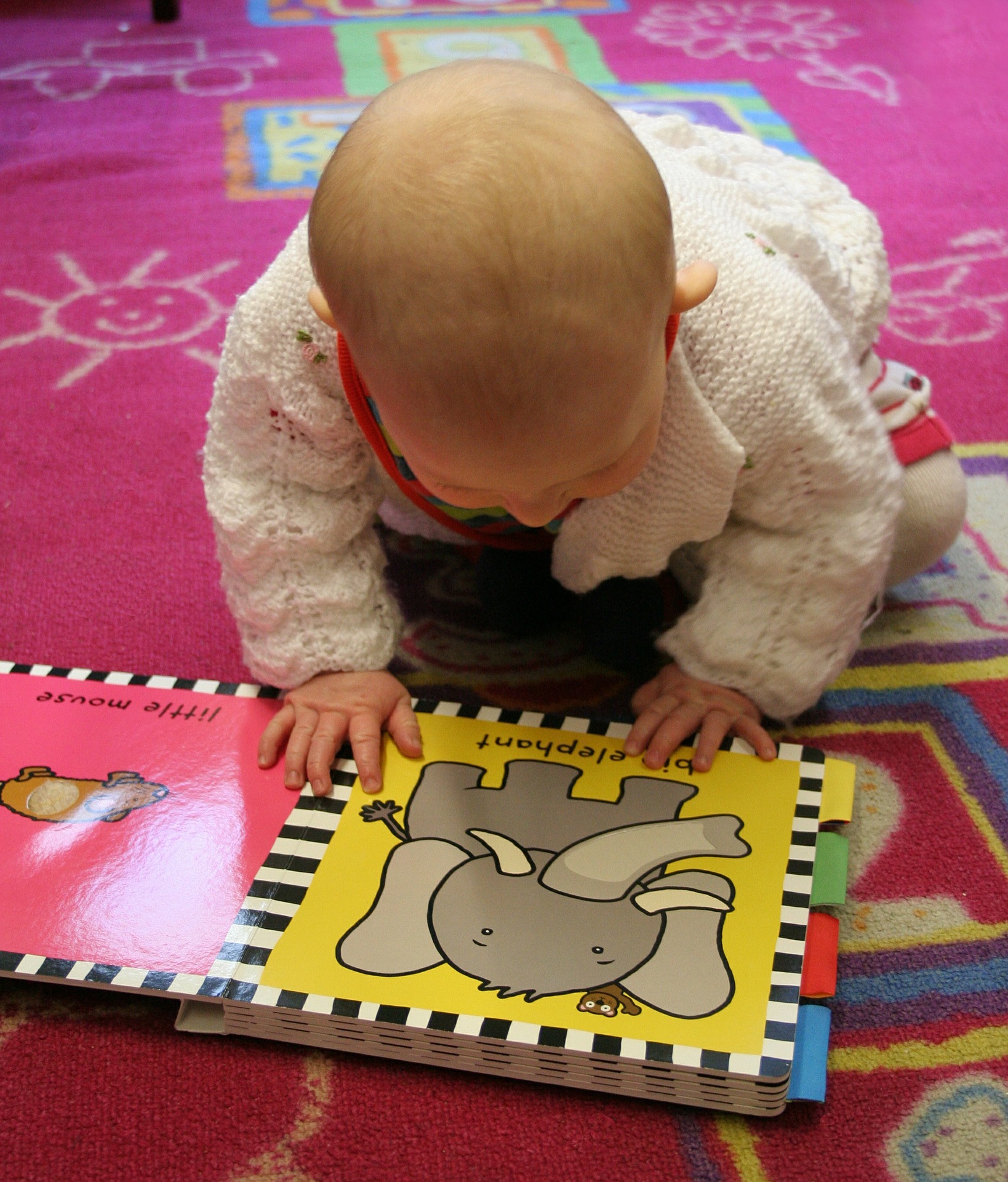
Measles is a highly contagious infectious disease that can cause severe, long-term complications in children.
Aboriginal children and families contend with higher rates of preventable infectious diseases that can be attributed to their immediate living environment. The environments in which children spend most of their time are their homes and schools. We aimed to understand the opportunities in the school setting to support student skin health and wellbeing through environmental health activities, how these activities were completed, and the barriers to their implementation.
The transmission of Group A Streptococcus (Strep A) through respiratory droplets has been considered the dominant mode of transmission to date; however, little is known about the relative contribution of other modes of transmission. This review systematically summarises the contemporary evidence regarding the transmission of Strep A.
The relationship between ethnicity and mortality of patients critically ill with COVID-19 in Australia has not been described. Defining those communities at the highest risk of severe COVID-19 may assist with formulating effective public health policy and may improve the equitable delivery of health care in Australia.
Bacteriophage (phage) propagation has traditionally relied on bacterial culture media containing animal-derived ingredients; however, safety concerns with animal-derived materials for production of phages for therapeutic use limit their acceptability. We compared animal-free and traditional media formulations, and evaluated effects on phage yield, bactericidal activity, and genomic characteristics, hypothesizing no significant differences would be observed.