
Search
The monovalent acellular pertussis vaccine is immunogenic and safe in neonates
We therefore speculate that removal of wP from the vaccine schedule contributed to the observed rise in IgE-mediated food allergy among Australian infants
Vaccination is the injection of an inactivated bacteria or virus into the body. This simulated infection allows an individual's immune system to develop an adaptive immunity for protection against that type of illness. When a sufficiently large percentage of a population has been vaccinated, this results in herd immunity.

Whooping cough (pertussis) is a highly contagious respiratory infection which causes a severe cough and can be particularly dangerous to babies under a year old. Vaccination is the best way to reduce the risk of whooping cough.
We compared the effect of a heterologous wP/aP/aP primary series (hereafter mixed wP/aP) versus a homologous aP/aP/aP primary schedule (hereafter aP-only) on antibody responses to co-administered vaccine antigens in infants and toddlers.
Evidence suggests that children who had received an initial priming dose of whole-cell pertussis (wP) vaccine, rather than acellular pertussis (aP) vaccine, had a lower risk of developing IgE-mediated food allergy, the most common cause of anaphylaxis-related hospital presentations of childhood.
Asthma is among the commonest noncommunicable diseases of childhood and often occurs with other atopic comorbidities. A previous case-control study found evidence that compared to children who received acellular pertussis (aP) vaccines in early infancy, children who received one or more doses of whole-cell pertussis (wP) vaccine had lower risk of developing IgE-mediated food allergy. We hypothesized that wP vaccination in early infancy might protect against atopic asthma in childhood.
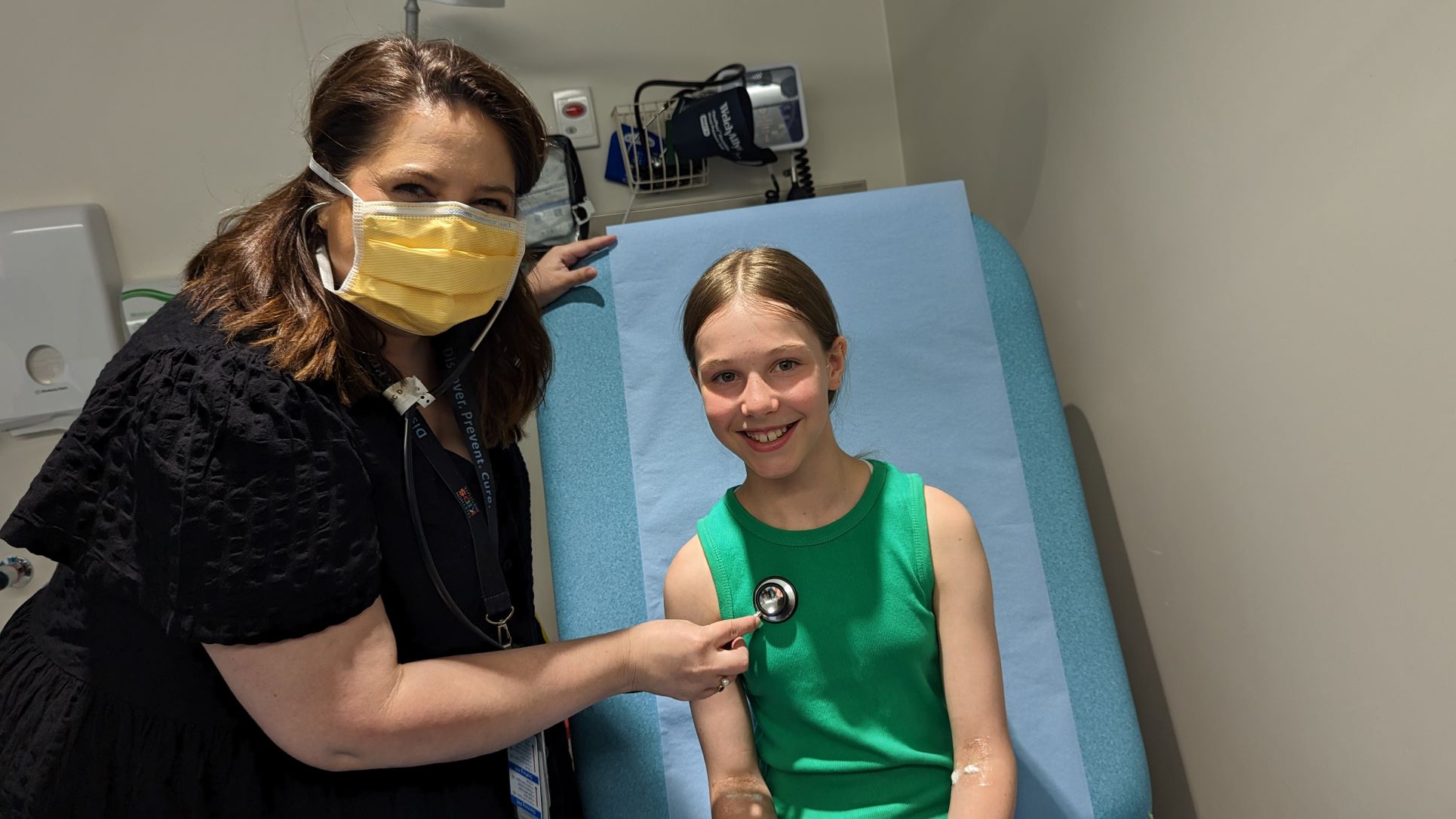
Tiny babies could soon have much-needed protection from community transmission of potentially deadly whooping cough thanks to a world-first nasal spray vaccine being trialed at The Kids Research Institute Australia.
New collaborative research involving almost 600,000 pregnant mothers has demonstrated a dramatic increase in uptake of the whooping cough (pertussis) vaccine after identifying just 22 per cent of WA women had the maternal vaccination between 2012 – 2017.
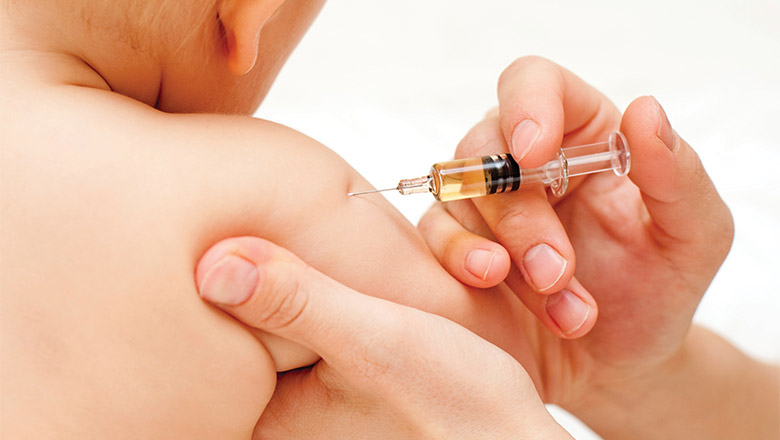
Toddlers will now get an additional whooping cough vaccine to protect them against the potentially deadly disease.