
Search
Mitochondria rely on coordinated expression of their own mitochondrial DNA (mtDNA) with that of the nuclear genome for their biogenesis. The bacterial ancestry of mitochondria has given rise to unique and idiosyncratic features of the mtDNA and its expression machinery that can be specific to different organisms. In animals, the mitochondrial protein synthesis machinery has acquired many new components and mechanisms over evolution.
Mitophagy preserves overall mitochondrial fitness by selectively targeting damaged mitochondria for degradation. The regulatory mechanisms that prevent PTEN-induced putative kinase 1 (PINK1) and E3 ubiquitin ligase Parkin (PINK1/Parkin)-dependent mitophagy and other selective autophagy pathways from overreacting while ensuring swift progression once initiated are largely elusive.
Programmable DNA endonucleases derived from bacterial genetic defense systems, exemplified by CRISPR-Cas9, have made it significantly easier to perform genomic modifications in living cells. However, unprogrammed, off-target modifications can have serious consequences, as they often disrupt the function or regulation of non-targeted genes and compromise the safety of therapeutic gene editing applications.
Mitochondria are hubs of metabolic activity with a major role in ATP conversion by oxidative phosphorylation (OXPHOS). The mammalian mitochondrial genome encodes 11 mRNAs encoding 13 OXPHOS proteins along with 2 rRNAs and 22 tRNAs, that facilitate their translation on mitoribosomes.
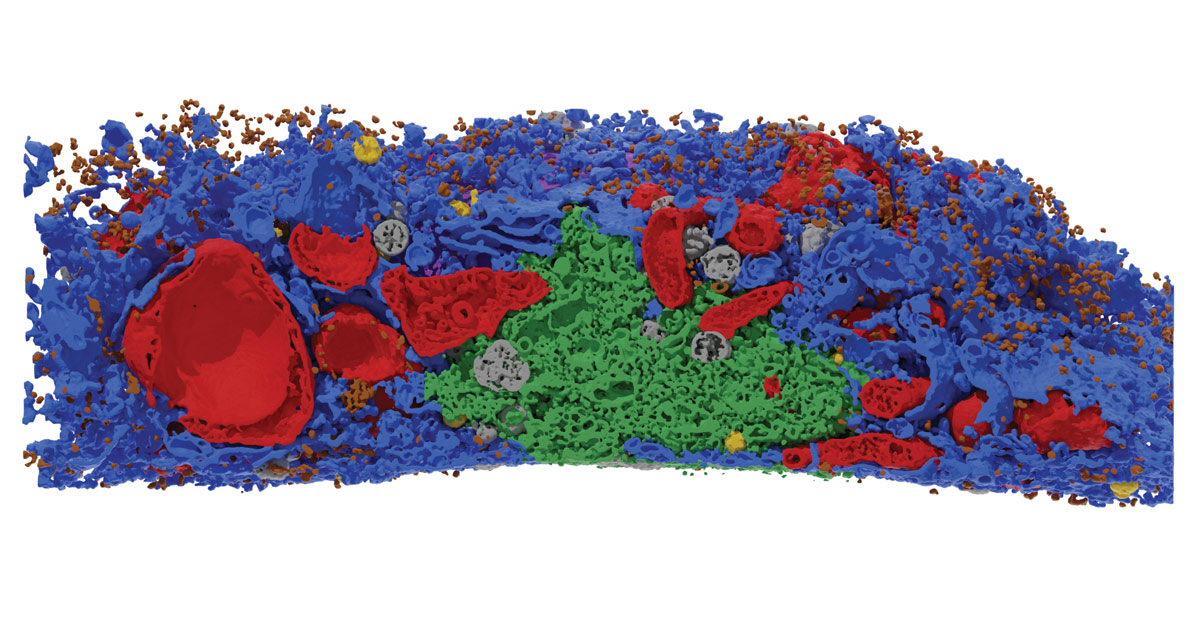
Researchers from The Kids Research Institute Australia and The University of Western Australia have developed a new technique to see inside cells with unprecedented detail, revealing a complicated web of interactions that provides new insights into how cells stay healthy.

The generous support of West Australians through Channel 7’s Telethon Trust will help support vital child health research at The Kids Research Institute Australia in 2023.

Two research teams, led by The Kids Research Institute Australia, have been awarded more than $2 million to fund innovative projects.
Aleksandra Filipovska FAA, FAHMS BSc PhD Louis Landau Chair in Child Health Research; NHMRC Leadership Fellow; Deputy Director, ARC Centre of
Aleksandra Filipovska FAA, FAHMS BSc PhD Louis Landau Chair in Child Health Research; NHMRC Leadership Fellow; Deputy Director, ARC Centre of
Prostate cancer is the most commonly diagnosed malignancy and the third leading cause of cancer deaths. GWAS have identified variants associated with prostate cancer susceptibility; however, mechanistic and functional validation of these mutations is lacking.