Skip to content
The Kids Research Institute Australia logo
Donate

No results yet

Search

News & Events

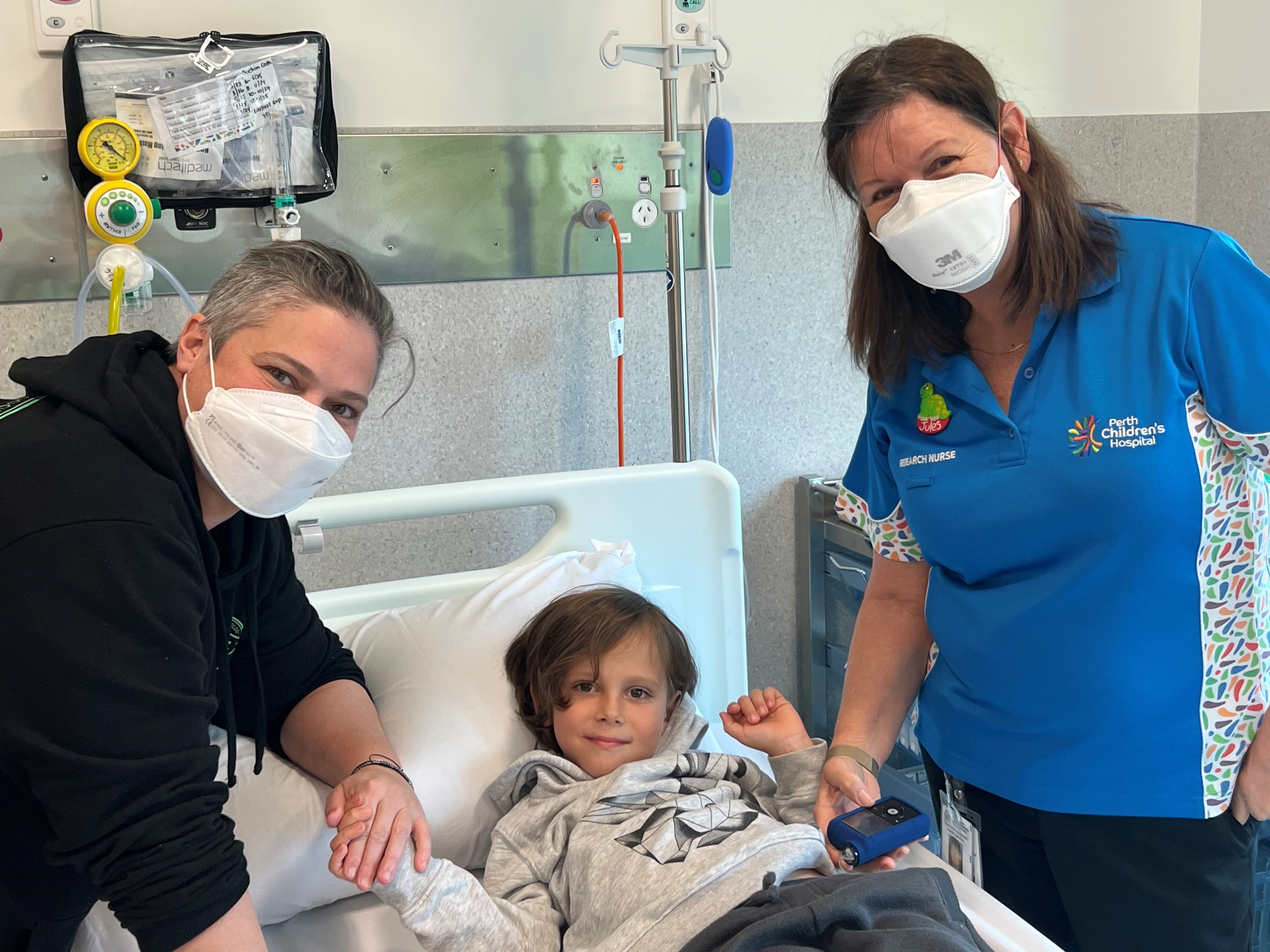
Recruitment for AdDIT now complete

Young people diagnosed with Type 1 Diabetes are at risk of complications from their diabetes including kidney, heart, eye and vascular disease.

News & Events

WA teenager with type 1 diabetes on a mission to become a pro-cyclist

A wiry tall teenager, who was struggling somewhat with his blood glucose control, he turned up on his trusty bike, and we had something in common to talk about.

A community-led, trauma-informed psychosocial intervention to improve health outcomes of children and young people with Type-1 diabetes

T1D can be a traumatic diagnosis for children and young people, and often involves strict adherence to painful treatments, comorbid mental health conditions, and shortened life expectancy.

Rio Tinto Children's Diabetes Centre

The Rio Tinto Children's Diabetes Centre is a research centre that aims to improve the lives of children and young adults living with diabetes by bringing together research, education and clinical care.

News & Events

Cholesterol and blood pressure drugs help teens with diabetes

The study involved screening young people to learn more about the development of long-term kidney, eye and cardiovascular complications in adolescents with T1D.

Research

Physical activity management for youth with type 1 diabetes: Supporting active and inactive children

Regular physical activity and exercise are important for youth and essential components of a healthy lifestyle. For youth with type 1 diabetes, regular physical activity can promote cardiovascular fitness, bone health, insulin sensitivity, and glucose management. However, the number of youth with type 1 diabetes who regularly meet minimum physical activity guidelines is low, and many encounter barriers to regular physical activity.

Research

Hybrid Closed-Loop Versus Manual Insulin Delivery in Adults With Type 1 Diabetes: A Post Hoc Analysis Using the Glycemia Risk Index

Glycemia risk index (GRI) is a novel composite metric assessing overall glycemic risk, accounting for both hypoglycemia and hyperglycemia and weighted toward extremes. Data assessing GRI as an outcome measure in closed-loop studies and its relation with conventional key continuous glucose monitoring (CGM) metrics are limited.

Research

Clinical Outcomes with MiniMedTM 780G Advanced Hybrid Closed-Loop Therapy in 2- to 6-Year-Old Children with Type 1 Diabetes

Advanced hybrid closed-loop (AHCL) therapy with the Medtronic MiniMedâ„¢ 780G system improves glycemia; however, the clinical outcomes in younger children remain less established. This pilot study aimed to explore the continuous glucose monitoring (CGM) metrics in very young children on AHCL. Children between 2 and 7 years of age and on insulin pump therapy were recruited.

Research

Parental experiences of using continuous glucose monitoring in their young children with early-stage type 1 diabetes: a qualitative interview study

To explore parents' experiences of using continuous glucose monitoring in their young children with early-stage type 1 diabetes, being followed in the Australian Environmental Determinants of Islet Autoimmunity (ENDIA) study.

Research

Results of an Australian trial of an automated insulin delivery (AID) system and other studies support likely benefit of AID use for many Australian adults with type 1 diabetes

Less than 20% of Australians with type 1 diabetes (T1D) meet recommended glucose targets. Technology use is associated with better glycaemia, with the most advanced being automated insulin delivery (AID) systems, which are now recommended as gold-standard T1D care. Our Australian AID trial shows a wide spectrum of adults with T1D can achieve recommended targets. Other studies, including lived experience data, are supportive. Insulin pumps are not subsidised for most Australian adults with T1D. We advocate change.Â