
Search
Showing results for " https://www.galaxus.ch/en/sector/showdiscussion/hack-someone-snap-visit-kunghaccom-j8f6qlhn-224830"

Did you know our research shows that less than 20 per cent of young Australian children get enough energetic play each day? Many children are spending more time sitting still or on screens, and not enough time moving, exploring and playing, which is fundamental to their healthy development.
Recent interest in the diverse ecosystem of bacteria, fungi and viruses that make up the skin microbiome has led to numerous studies investigating the skin microbiome in healthy skin and in dermatological conditions. However, skin microbiome analysis is challenging due to relatively low numbers of skin microorganisms compared to mucosal sites, such as the respiratory or gastrointestinal tracts. Microbiome results are heavily influenced by sampling methods.
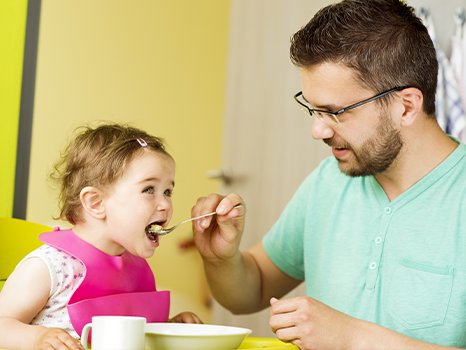
In this blog, Senior Speech Pathologist Sally Grauaug and Speech Pathology Clinical Lead Aria May discuss the use of visual supports.
With cochlear implantation becoming increasingly performed worldwide, an understanding of the risk factors, preventive measures, and management of cochlear implant (CI) infection remains important given the significant morbidity and cost it conveys.
Tuberculosis (TB) is caused by Mycobacterium tuberculosis (Mtb) and is a leading cause of death. BCG is the only licensed TB vaccine. Preclinical studies have shown that in adults, intravenous administration of BCG improves protection against TB. We hypothesize that intradermal administration of BCG to the human newborn leads to low-grade BCG bacteremia and that this systemic dissemination improves protection against Mtb infection. This hypothesis is based on supporting observations including animal and human studies. It is a testable hypothesis and offers to deliver immediately actionable insight to advance the global efforts against TB.
Leclercia adecarboxylata is a rare cause of septic arthritis in children, and has intrinsic resistance to common antibiotics. We describe two cases of L. adecarboxylata septic arthritis in children that required re-presentation to hospital with prolonged treatment, and highlight the importance of considering L. adecarboxylata as a potential cause of infection among children with penetrating injuries and associated environmental exposure.
Status epilepticus is associated with significant morbidity and mortality. While vaccine-proximate status epilepticus (VP-SE) has rarely been associated with cases of Dravet syndrome, it is not known whether VP-SE differs clinically from non-vaccine proximate status epilepticus (NVP-SE).

Two incredible team leaders from The Kids Research Institute Australia will join a cohort of 25 women working in STEM across Australia, to take part in the 2023 WILD program.
There is growing evidence to support partial oral antibiotic treatment of severe infections such as Staphylococcus aureus bacteremia, but clinical practice is slow to adopt this paradigm. We know little about how patients with severe infection experience and perceive intravenous and oral antibiotics in terms of quality of life and clinical effectiveness. We performed a qualitative study to elicit patients' views on treatment with intravenous and oral antibiotics, aiming to provide insights that could inform collaborative treatment decision-making.

Have you seen our recent letter about a new area of research we’d like to focus on to improve the heart health of kids with type 1 diabetes? More and more evidence is showing the importance of exercise and cardiovascular health but surprisingly there isn’t much research in this field.