
Search
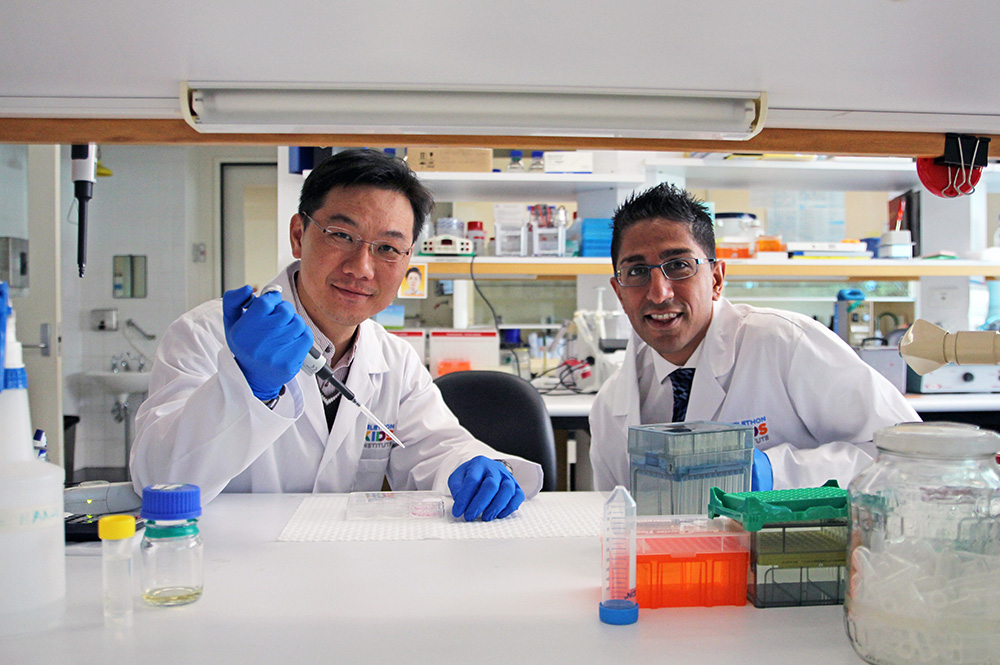
The Kids Research Institute Australia researchers may have unlocked a vital key to reducing the progression of leukaemia in children, potentially prompting a change in thinking around the best way to target treatment.
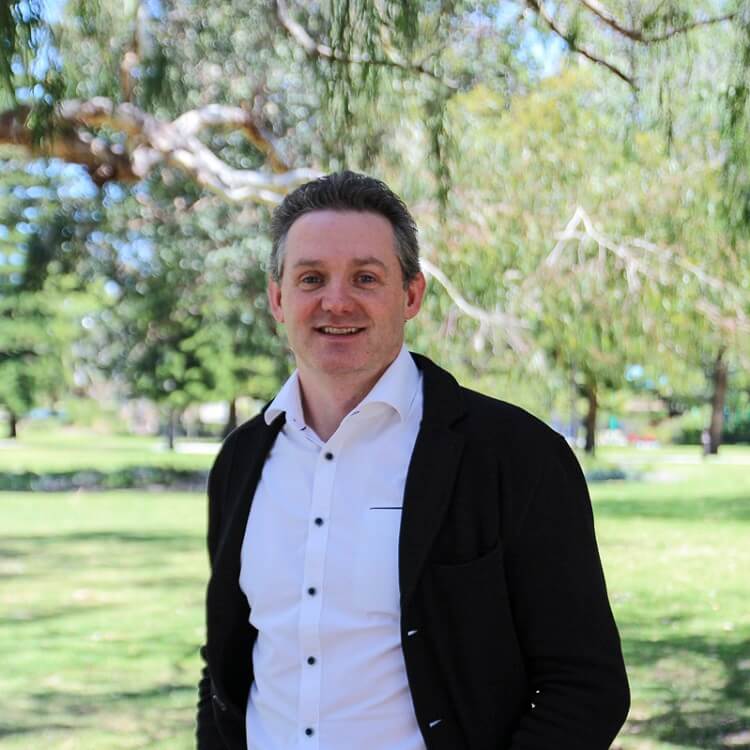
Dr Nick Gottardo, Co-Head of The Kids Research Institute Australia's Brain Tumour Research Team, has been announced a nominee for the 2018 WA Australian of the Year Award

Personalised medicine for childhood cancers in West Australia is a step closer thanks to the Zero Childhood Cancer program’s state clinical trial launched today
The WA Kids Cancer Centre brings together clinicians and researchers working together to defeat childhood cancer.
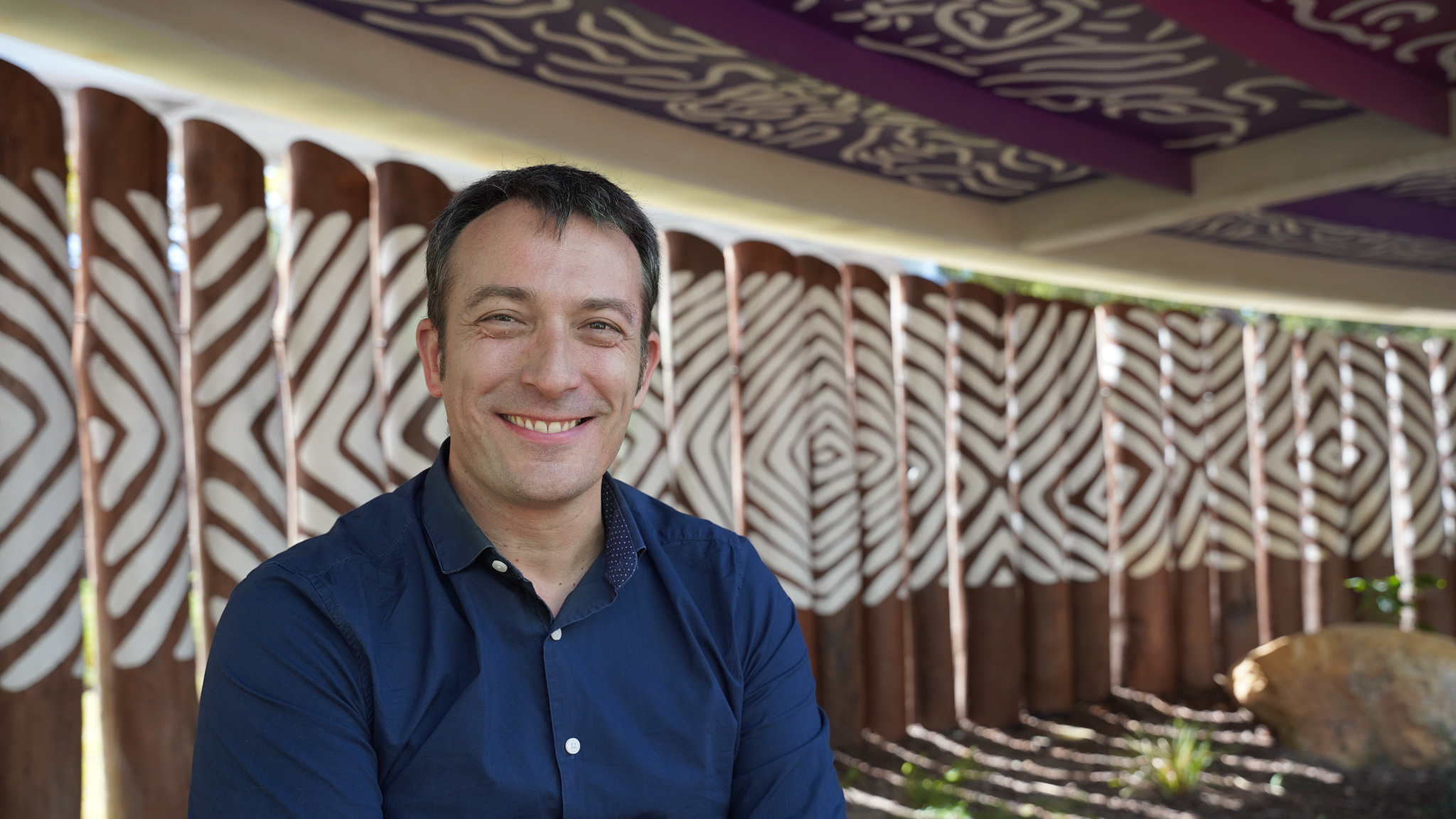
Dr Sébastien Malinge has received a Stan Perron Charitable Foundation Research Fellowship for his pioneering research, which is paving the way for safer, targeted therapies for children with hard-to-treat leukaemia
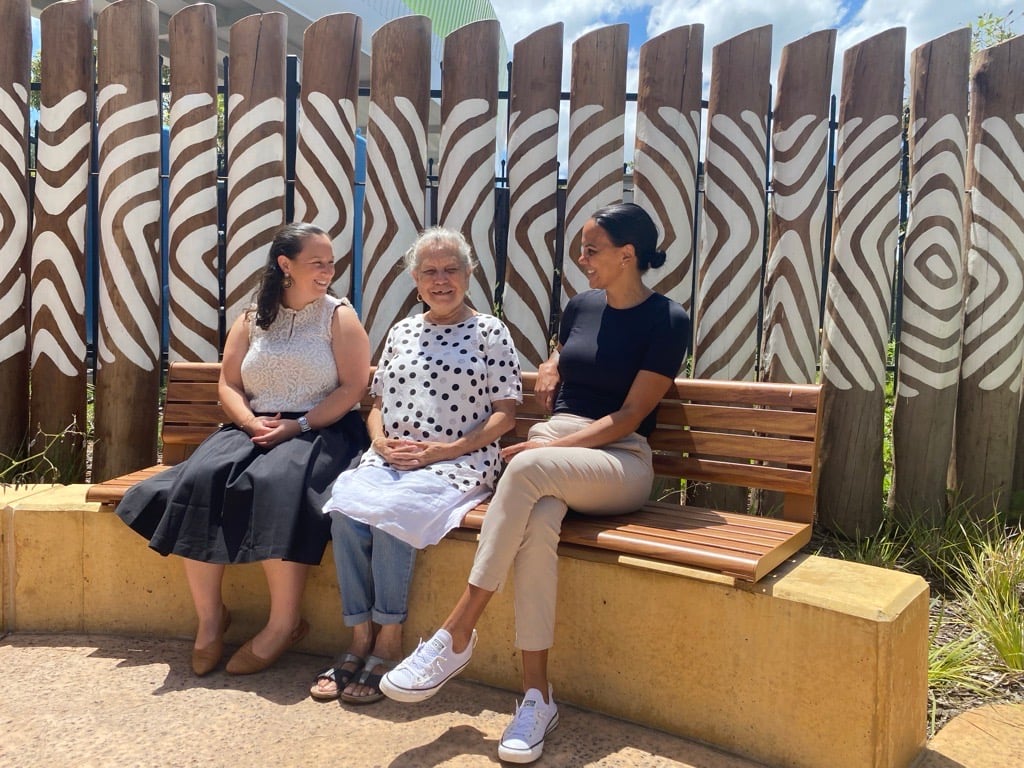
A first of its kind research program at The Kids Research Institute Australia aims to develop new strategies to better treat First Nations children with cancer.
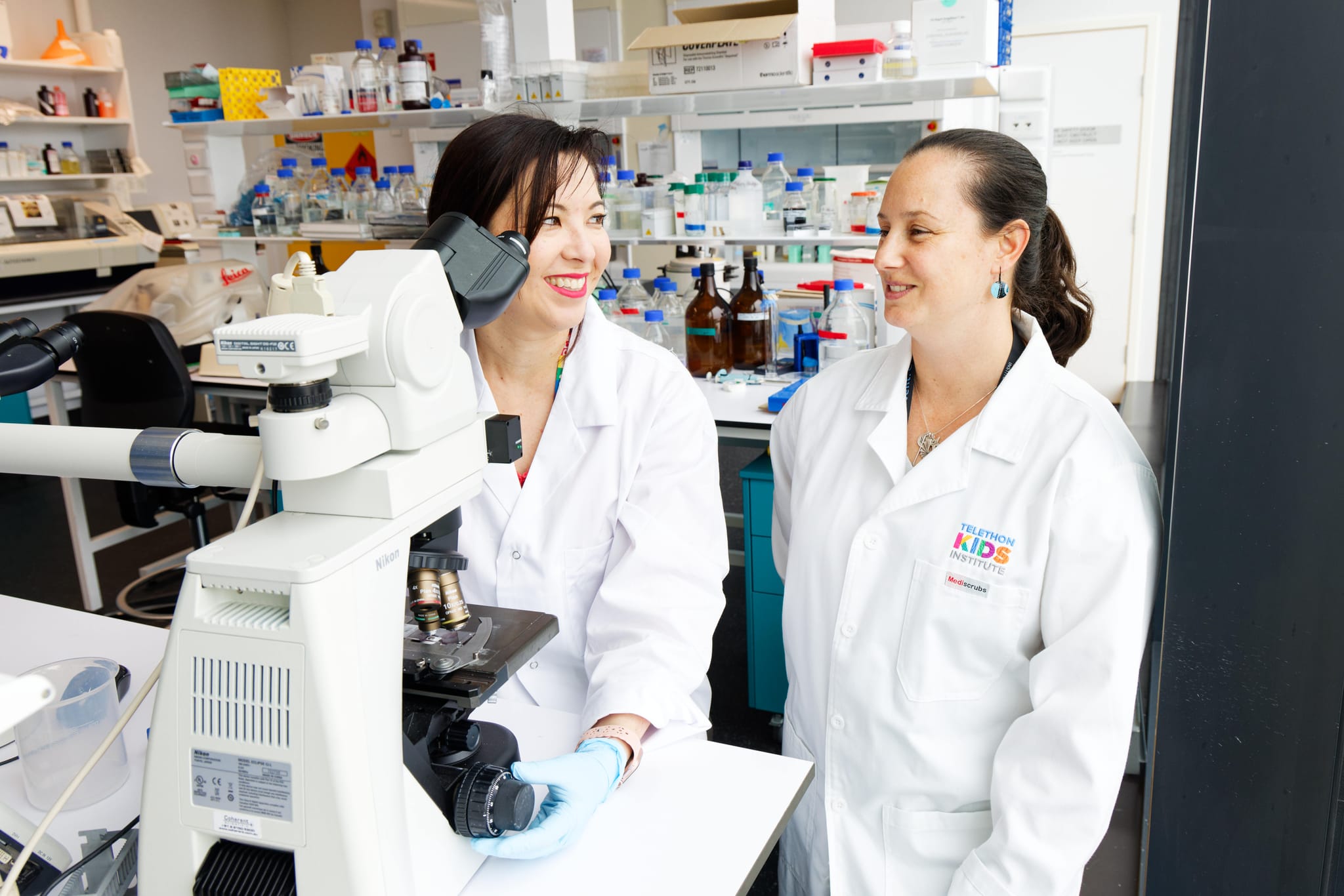
Dr Jessica Buck and Associate Professor Raelene Endersby have been appointed to the prestigious Australian Brain Cancer Mission Expert Advisory Panel.
Burn injury in children causes prolonged systemic effects on physiology and metabolism leading to increased morbidity and mortality, yet much remains undefined regarding the metabolic trajectory towards specific health outcomes.
To examine the psychometric properties of the Diabetes Management Experiences Questionnaire (DME-Q). Adapted from the validated Glucose Monitoring Experiences Questionnaire, the DME-Q captures satisfaction with diabetes management irrespective of treatment modalities.
Glioblastoma, a rare, and highly lethal form of brain cancer, poses significant challenges in terms of therapeutic resistance, and poor survival rates for both adult and paediatric patients alike. Despite advancements in brain cancer research driven by a technological revolution, translating our understanding of glioblastoma pathogenesis into improved clinical outcomes remains a critical unmet need.