
Search
Shannon Elizabeth Simpson Smith BMedSci (hons), PhD PhD, MSc, BSc Head, Strong Beginnings Research, Co-head Foundations of Lung Disease Program
Preterm birth is associated with increased mortality and morbidity, particularly due to lung disease. Low- and middle-income countries (LMIC) have the highest rates of preterm birth. Infants born extremely preterm rarely survive, so the largest burden is amongst moderate-to-late preterm (MLP) infants. The long-term health impact on MLP children in LMIC is poorly understood. The aim of this study was to assess the effect of MLP birth on lung function trajectories from birth to 5 years in the Drakenstein Child Health Study.
Lung function testing and lung imaging are commonly used techniques to monitor respiratory diseases, such as cystic fibrosis (CF). The nitrogen (N2) multiple-breath washout technique (MBW) has been shown to detect ventilation inhomogeneity in CF, but the underlying pathophysiological processes that are altered are often unclear.
Managing bronchiectasis exacerbations is a priority for patients, parents, and caregivers of children with bronchiectasis. However, evidence-based strategies among the pediatric population remain limited.
Asthma affects more than 300 million people worldwide and is frequently associated with other medical conditions in adults, including chronic obstructive pulmonary disease, ischaemic heart disease, and stroke. Despite the huge burden, there has been little progress toward prevention and cure, possibly related to a one-size-fits-all approach.
The airway epithelium is the primary structural and functional airway barrier and orchestrates innate immunity. Some children may have underlying epithelial vulnerabilities that contribute to the pathogenesis of acute wheeze and asthma.

The Wal-yan Respiratory Research Centre is thrilled to see three researchers awarded prestigious Medical Research Future Fund (MRFF) Chronic Respiratory Conditions grants to improve lung health in children.

Five researchers from The Kids Research Institute Australia have been awarded three-year fellowships with the aim of keeping more WA-based PhD graduates involved in child health research.
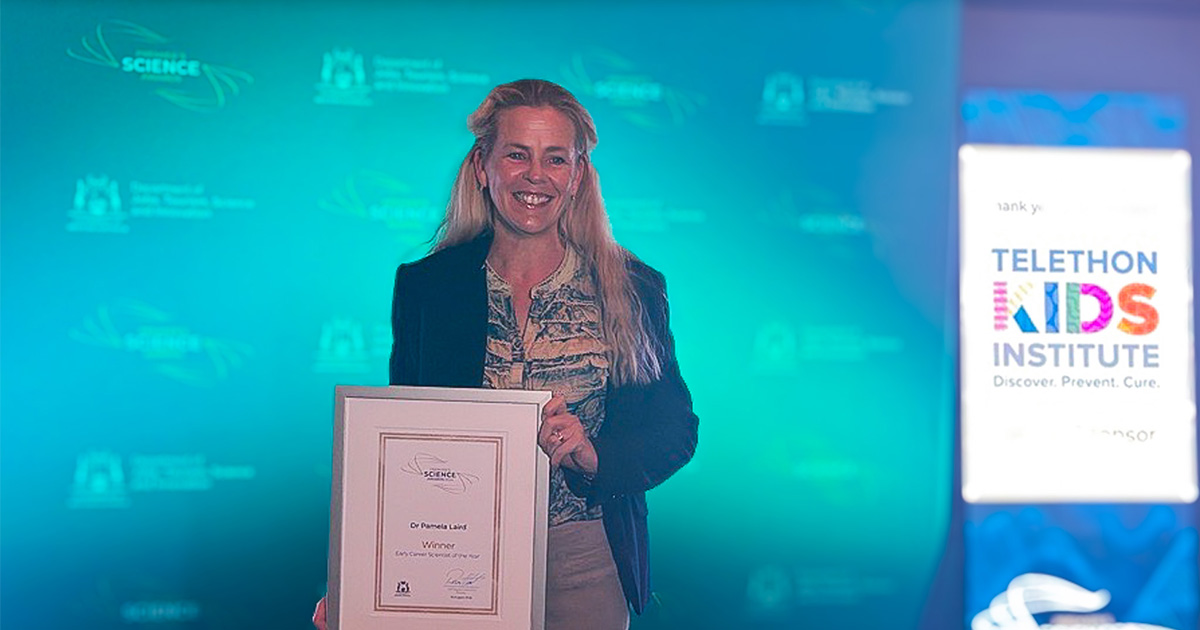
Congratulations to respiratory health researcher and clinician Dr Pam Laird, who was last night named joint winner of Early Career Scientist of the Year at the 2024 Premier’s Science Awards.

Eight The Kids Research Institute Australia-led projects will benefit from the latest round of WA Child Research Fund (WACRF) grants, announced this week by Medical Research Minister Stephen Dawson.