
Search
Sibling profiles, including sibling status (only-child or sibling) and sibling characteristics (sibling size, birth order, and sex), can impact on lived experiences and social interactions, and operate as protective or risk factors for a wide range of health and well-being indicators and outcomes. Using population-based data linkage to disability-specific databases, sibling profiles were compared between families of children with and without neurodevelopmental conditions.
Harmonizing the scores obtained by different instruments that measure the same construct enable researchers to combine them in one analysis. An important step in harmonization is checking whether there is measurement invariance across populations.
The number of words children produce (expressive vocabulary) and understand (receptive vocabulary) changes rapidly during early development, partially due to genetic factors. Here, we performed a meta-genome-wide association study of vocabulary acquisition and investigated polygenic overlap with literacy, cognition, developmental phenotypes, and neurodevelopmental conditions, including attention-deficit/hyperactivity disorder.
Iron deficiency may play a role in the pathophysiology of Attention Deficit/Hyperactivity Disorder (ADHD). Due to its preponderant function in monoamine catecholamine and myelin synthesis, brain iron concentration may be of primary interest in the investigation of iron dysregulation in ADHD.
Approximately 8% of all children experience developmental and mental health conditions. Similarities in characteristics across neurodevelopmental conditions-such as difficulties in communication and language, social interaction, motor coordination, attention, activity regulation, behavior, mood, and sleep-make it challenging to attribute these characteristics exclusively to specific diagnoses and assessments. The purpose of this study was to identify symptomatic domains across neurodevelopmental conditions in children and to explore dimension reduction for transdiagnostic assessment.
Attention-Deficit/Hyperactivity Disorder (ADHD)/Hyperkinetic Disorder (HD) is linked to increased risks of morbidity, comorbidity and mortality, with higher prevalence in clinical populations. The differential prevalence of ADHD/HD across adult and pediatric clinical populations, influenced by factors such as time trends, sex, age, geographic regions, and comorbidities, has not been systematically assessed.
Dysfunctional glutamatergic neurotransmission has been implicated in the underlying pathogenesis of Attention Deficit Hyperactivity Disorder (ADHD). The psychostimulant methylphenidate (MPH), which is used as a first line treatment for ADHD, has been shown to have both acute and chronic effects on prefrontal cortex glutamatergic afferents. Animal studies have also identified an effect of MPH and glutamate in prefrontal areas. Despite this there are ongoing questions as to the extent and direction of this effect, as well as its impact on other neurobiological processes.
Parents of children with attention-deficit/hyperactivity disorder (ADHD) often make disclosure decisions about their child's ADHD on their behalf. While disclosure can facilitate access to support, it risks stigma. Despite ADHD being one of the most common neurodevelopmental conditions, little is known about parent's experiences in relating information about their child's ADHD diagnosis or medication use, to others.
Eating disorders (EDs) are increasingly recognised among neurodivergent and transgender and gender diverse (TGD) individuals, yet most assessment and treatment models remain grounded in cisnormative and neuronormative assumptions and frameworks. Sensory processing, spanning interoception and exteroception, has been proposed as a potential factor that may help explain observed associations between neurodivergent traits, gender incongruence, and EDs.
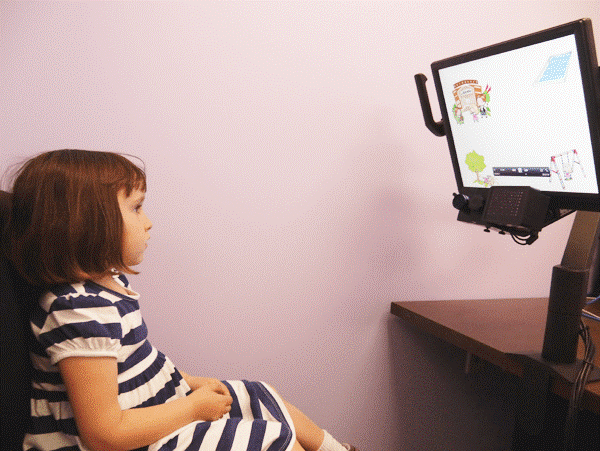
The Kids is trialling a new tool for earlier and easier screening of FASD and ADHD in children, using cutting-edge eye-tracking technology developed by the Kids Brain Health Network in Canada.